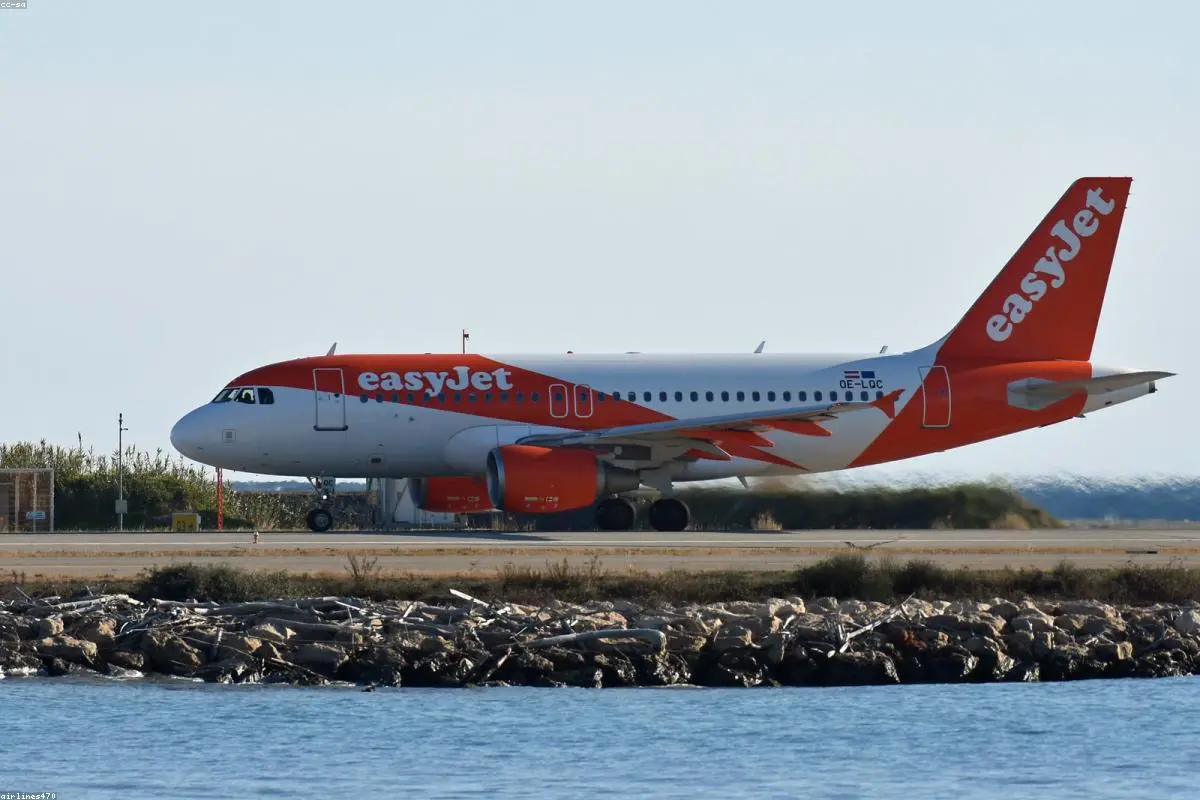
A New Flight Path for a Budget Icon
For decades, the bright orange livery of EasyJet has been a symbol of the democratization of European travel. From stag dos in Prague to weekend retreats in Provence, the airline turned the sky into a bus route for millions. However, in a move that has sent shockwaves through the City of London and the global aviation sector, EasyJet has officially accepted a surprise takeover bid from a major US-based investment firm. The deal, which caught many industry analysts off guard, marks one of the most significant shifts in the low-cost carrier (LCC) market since the industry's inception.
While rumors of potential mergers have followed EasyJet for years—most notably a rejected approach from rival Wizz Air in 2021—this particular swoop was executed with clinical precision. The US firm, known for its aggressive expansion in the transportation and infrastructure sectors, has offered a premium that the EasyJet board ultimately found too lucrative to ignore. For shareholders, it represents a significant payday; for the broader business landscape, it is a stark reminder that European assets remain highly attractive to American capital.
Why Now? The Logic Behind the Swoop
To understand why this deal happened today, we have to look at the current state of the skies. The aviation industry is currently caught in a pincer movement. On one side, passenger demand has surged back to pre-pandemic levels; on the other, airlines are being squeezed by skyrocketing operational costs, fluctuating fuel prices, and the immense capital requirements of transitioning to sustainable aviation fuels. For EasyJet, the path to remaining independent was becoming increasingly narrow and fraught with financial turbulence.
American investors see something in European carriers that the local markets often undervalue: massive, untapped efficiency and a consolidating market. Compared to the United States, where four major airlines dominate the vast majority of the domestic market, Europe remains fragmented. By acquiring a powerhouse like EasyJet, the US firm gains an immediate, dominant foothold in some of the continent's most slot-constrained airports, such as London Gatwick and Paris Orly. It is less about buying planes and more about buying the right to land in the most profitable corners of Europe.
The Transatlantic Influence on Low-Cost Culture
One of the primary concerns among staff and regular travelers is whether the 'Americanization' of EasyJet will change the very nature of the service. US private equity often brings a reputation for ruthless cost-cutting and a laser focus on 'ancillary revenue'—industry speak for charging for everything from seat assignments to carry-on bags. While EasyJet is already a low-cost specialist, there is a fear that the passenger experience could become even more transactional as the new owners look to maximize their return on investment.
However, there is a flip side to this coin. American investment could provide the massive capital injection EasyJet needs to modernize its fleet more rapidly. The shift to the Airbus A320neo family is expensive, and having the deep pockets of a US firm could allow the airline to accelerate its green initiatives and operational tech, potentially leading to fewer delays and a more reliable schedule. According to reporting by the BBC, the deal comes at a time when the sector is ripe for such transformative shifts.
The Ripple Effect Across the Continent
The deal doesn't just affect those wearing orange uniforms. This takeover is a loud klaxon for the rest of the European aviation industry. Rival carriers like Ryanair and the IAG group (owners of British Airways) will be watching closely. If a US-backed EasyJet becomes more efficient and aggressive in its pricing, it could trigger a fresh price war on popular Mediterranean routes. Conversely, it might lead to a domino effect where other independent mid-sized carriers look for their own 'Big Brother' across the Atlantic to ensure their survival.
Strategically, this move also highlights the weakening of the 'national champion' sentiment in aviation. There was a time when the idea of a British-founded airline being swallowed by American interests would have faced stiff political resistance. Today, the reality of global finance suggests that capital has no borders, and the priority is ensuring that these vital pieces of infrastructure remain solvent and competitive, regardless of where the board of directors sits.
The Road Ahead: Integration and Regulation
Of course, signing the agreement is only the first hurdle. A deal of this magnitude will face intense scrutiny from competition regulators. Authorities will want to ensure that the takeover doesn't lead to a monopoly on certain routes or unfairly disadvantage smaller regional players. Furthermore, the logistical challenge of integrating the US firm’s management style into a quintessentially European operation cannot be understated. Cultural clashes in the boardroom often manifest as operational hiccups on the tarmac.
As the ink dries on the initial agreements, the message to the market is clear: the post-pandemic recovery phase is over, and the era of consolidation has begun. For EasyJet, the future is no longer just about being the best budget option in Europe; it is about being a key player in a globalized aviation strategy. Whether this leads to cheaper fares for the holidaymaker or simply higher margins for the new owners remains the multi-billion dollar question.