A Staple Disappears from the Aisles
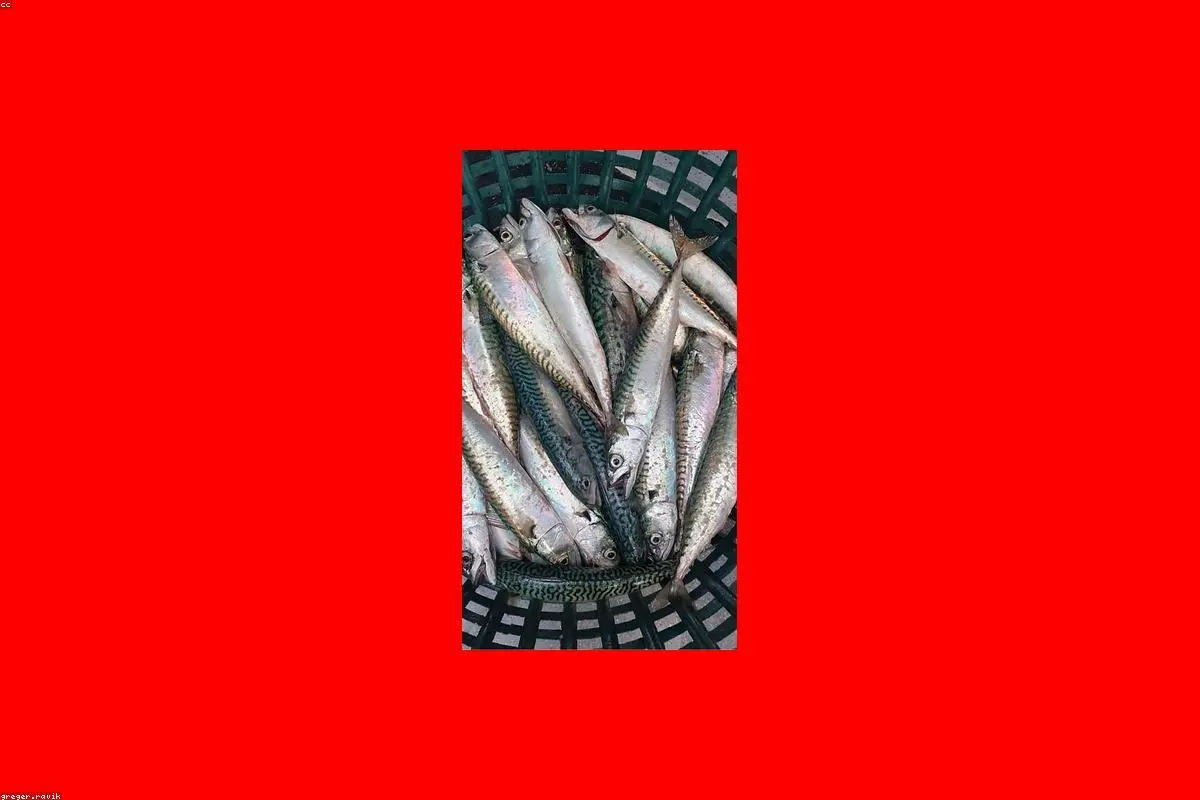
For many UK shoppers, a tin of mackerel or a fresh fillet is a weekly basket essential—a budget-friendly superfood packed with Omega-3. However, customers browsing the seafood counters at Waitrose will soon notice a significant gap. The high-end grocer has confirmed it is suspending the sale of wild-caught mackerel, a decision sparked by mounting concerns over overfishing and a lack of international cooperation regarding catch limits.
This isn't just a minor inventory tweak; it is a calculated move that reflects the increasingly complex intersection of environmental science and the global retail business. When a major player like Waitrose takes a stand on sustainability, it often sends ripples through the entire supply chain, forcing competitors and suppliers to re-evaluate their own ethical standing.
The Science Behind the Decision
The catalyst for this suspension was the latest update to the Good Fish Guide, published by the Marine Conservation Society (MCS). The MCS recently downgraded mackerel from the Northeast Atlantic, moving it onto its 'Fish to Avoid' list. This rating change is a significant blow to a species that was once considered one of the most sustainable choices for health-conscious consumers.
According to reportage from the BBC, the issue isn't necessarily that mackerel populations have collapsed—yet. Instead, the problem lies in the management of those populations. For several years, the nations that fish these waters—including the UK, Norway, Iceland, and the EU—have been unable to agree on shared quotas. Without a unified agreement, each country sets its own limits, often leading to a total catch that far exceeds what scientists recommend for a healthy ecosystem.
The Politics of the Northeast Atlantic
Fishing rights have long been a flashpoint for geopolitical tension, particularly in the post-Brexit era. In the Northeast Atlantic, mackerel is a migratory species, moving through different national waters. This makes it a shared resource, but also a source of constant dispute. When diplomatic negotiations fail, the fish usually pay the price.
Since 2019, the Marine Stewardship Council (MSC) has suspended its certification for Northeast Atlantic mackerel. This means that while the fish is still widely available, it no longer carries the prestigious 'blue tick' that guarantees it was caught sustainably. While some retailers chose to wait and see if the situation would improve, Waitrose has decided that the lack of progress on quota agreements has reached a breaking point.
Waitrose and the Ethics of Retail
Waitrose has built much of its brand identity on the pillars of ethics and quality. For a company that markets itself to discerning, environmentally-aware shoppers, continuing to sell a species on the 'red list' poses a significant reputational risk. By pulling mackerel, they are effectively choosing long-term brand integrity over short-term sales revenue.
"We are fully committed to the sustainable sourcing of our seafood," a spokesperson for Waitrose noted. This stance isn't just about optics; it's a strategic move in the modern business world, where Environmental, Social, and Governance (ESG) metrics are increasingly scrutinized by investors and consumers alike. When supply chains become opaque or environmentally damaging, proactive retailers often find that the cost of inaction is higher than the cost of losing a product line.
Will Other Supermarkets Follow Suit?
The big question now facing the UK grocery sector is whether other giants like Tesco, Sainsbury’s, and M&S will follow Waitrose's lead. Historically, Waitrose often acts as a trendsetter for animal welfare and sustainability standards. However, mackerel remains a high-volume seller. Removing it is a tougher sell for budget-focused retailers whose customers are already feeling the pinch of food inflation.
Industry analysts suggest that we might see a tiered approach. Some retailers may continue to stock mackerel but increase the prominence of alternative, more sustainable choices, such as sardines or herring. These 'small oily fish' offer similar nutritional benefits but currently enjoy healthier population management. Transitioning consumer habits is never easy, but the current mackerel crisis may provide the necessary push to diversify the British palate.
The Broader Impact on the Fishing Industry
For the fishing communities in Scotland and the South West of England, the loss of a major retail contract like Waitrose is a sobering development. Mackerel is one of the UK’s most valuable fish exports. If more retailers—or international markets—begin to shun the species due to the lack of certification, the economic pressure on the fishing fleet will be immense.
This pressure might be exactly what is needed to force a resolution at the negotiating table. If the commercial viability of the catch is threatened by its lack of 'green' credentials, national governments may finally find the motivation to agree on sustainable, science-based quotas. In this sense, Waitrose’s decision is more than just a retail choice; it is a form of economic activism aimed at protecting the long-term health of our oceans.
Looking Ahead
The suspension of mackerel sales is a stark reminder that our food systems are fragile and deeply interconnected with international policy. As climate change shifts fish migrations and geopolitical tensions complicate resource sharing, we are likely to see more 'staples' coming under fire. For the consumer, it means staying informed and perhaps being willing to try something new. For the industry, it's a clear signal that 'business as usual' is no longer a viable strategy when nature is footing the bill.
For now, the mackerel is off the hook at Waitrose. Whether it returns depends less on the supermarket itself and more on the ability of international leaders to put aside their differences for the sake of the sea.