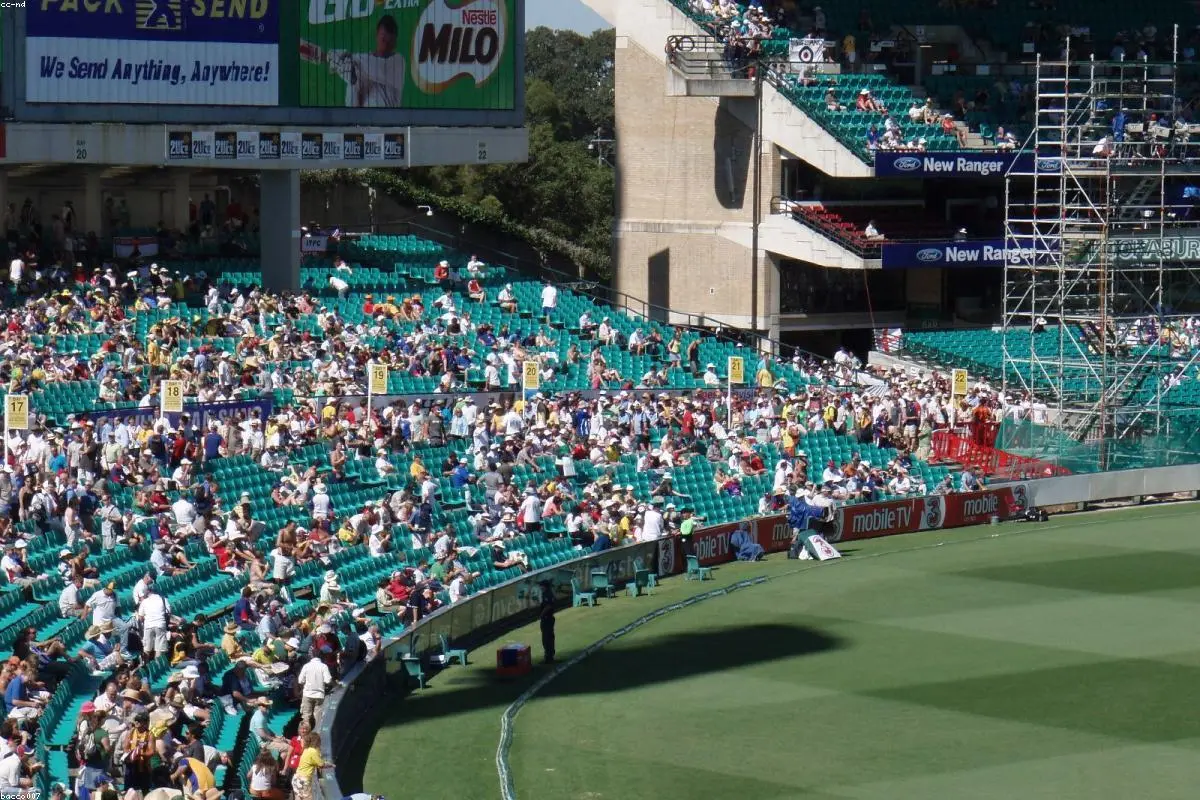
English cricket is no stranger to selection controversies, but the England and Wales Cricket Board’s (ECB) latest call has managed to ruffle feathers far beyond the pitch. When Australia return to British shores for the 2027 Men's Ashes, the iconic battle for the urn will skip the North of England entirely. Legendary venues like Old Trafford in Manchester and Headingley in Leeds—fortresses synonymous with some of the greatest moments in Test history—have both been left off the host list for the men's marquee series.
It is a stark departure from tradition that has left northern cricket supporters both baffled and aggrieved. For decades, summer in Yorkshire and Lancashire meant world-class Test match drama. Instead, the 2027 series will feature a southern and Midlands-heavy lineup that shifts the geographic center of gravity for English cricket's flagship contest.
The 2027 Men's Ashes Venues
The five grounds selected to host the 2027 Men's Ashes Tests are:
- Lord's (London)
- The Oval (London)
- Edgbaston (Birmingham)
- Trent Bridge (Nottingham)
- Utilita Bowl (Southampton)
While London retains its traditional double-header at Lord's and The Oval, and Edgbaston continues its run as England's vocal fortress, the real headline grabbing attention is the inclusion of Southampton's Utilita Bowl. The Hampshire venue will host its first-ever Men’s Ashes Test match, capping off a decade-long drive to turn the ground into a premier international venue.
Why Has the North Been Left Out?
According to reporting from BBC Sport, the venue allocations are part of a broader, long-term major match allocation strategy covering the 2027–2031 international cycles. The ECB evaluated venue bids based on strict criteria, including financial guarantees, stadium infrastructure, spectator capacity, and long-term commitments to growing the women's and grassroots games.
While Old Trafford and Headingley missed out on the 2027 Men's Ashes, they haven't been completely shut out of major international cricket. Both grounds have been awarded significant allocations in other years, including Men's Ashes Tests in the subsequent 2031 cycle, as well as high-profile white-ball fixtures and women's international matches. However, for many supporters, waiting eight years for the men's team to face Australia on northern soil feels like a bitter pill to swallow.
The Economic and Cultural Impact
Anyone who witnessed Ben Stokes’ miraclous heroics at Headingley in 2019 or the rain-soaked drama at Old Trafford in 2023 knows the unique, volatile energy northern crowds bring to Ashes cricket. Beyond the atmosphere, hosting a Test against Australia is a massive economic engine. Local hotels, transport networks, pubs, and restaurants in Leeds and Manchester rely heavily on the tens of thousands of visiting fans who pour into the city over a five-day match.
This dynamic highlights a growing tension across modern sports administration: balancing commercial optimization and venue modernization with regional representation and historic fanbases. While multi-million pound ground upgrades in Southampton and Nottingham have clearly paid dividends for those counties, northern fans naturally feel their loyal support has taken a back seat.
Looking Ahead to 2027
The 2027 summer will certainly offer a new aesthetic for an Ashes series in England. Southampton's inclusion provides a modern, state-of-the-art backdrop, and Trent Bridge’s return to the Ashes fold after missing out in 2023 will be welcomed by traditionalists who love the swing-friendly conditions of Nottinghamshire.
Yet, when the first ball is bowled in 2027, the debate surrounding venue equity won't be far from the headlines. The ECB's strategic vision may well make financial and structural sense on paper, but winning over the passionate cricket heartlands of Yorkshire and Lancashire will take far more than long-term promises.