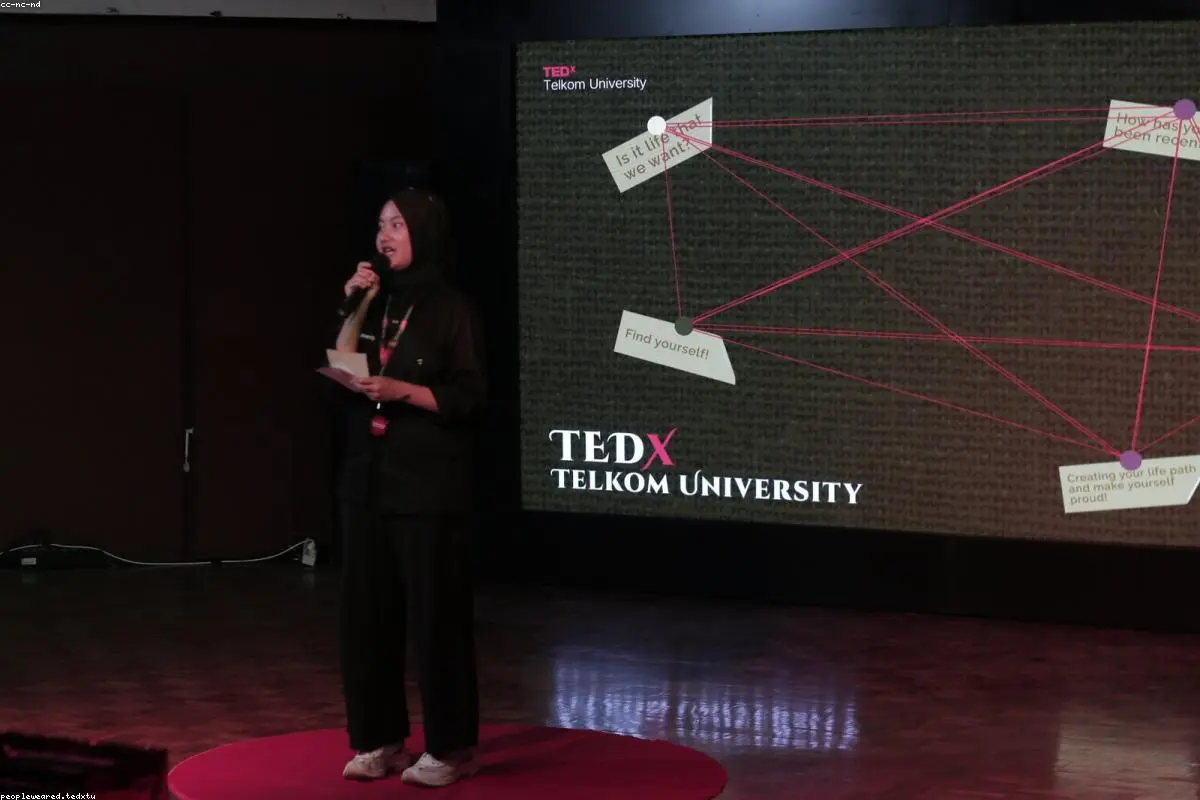
The Quiet Anxiety of the Graduation Stage
For most students, the walk across the stage at graduation represents the culmination of years of late-night study sessions, personal growth, and financial sacrifice. It is a few seconds of individual spotlight that families record and cherish for a lifetime. However, that moment can be instantly deflated when a name—often a core piece of a student's cultural and personal identity—is butchered by a well-meaning but ill-prepared administrator.
While the struggle to get names right is as old as the ceremony itself, the stakes have grown higher as student bodies become more diverse. Traditional methods, such as scribbling phonetic approximations on index cards or asking students to whisper their names to a reader seconds before they reach the microphone, are notoriously prone to error. This is where artificial intelligence is stepping in to bridge the gap between human effort and linguistic accuracy.
From Phonetic Scribbles to Digital Precision
The shift toward using technology in these high-stakes moments is gaining momentum. According to a recent report by Education Week, several districts are piloting AI-driven platforms designed specifically for commencement. These tools go far beyond a simple text-to-speech engine; they utilize machine learning models trained on vast datasets of global surnames, regional dialects, and linguistic nuances.
The process typically begins weeks before the ceremony. Students are asked to record themselves saying their own names through a secure portal. The AI then analyzes these recordings, comparing them against its database to provide a perfectly accented guide for the reader. In some cases, the AI can even generate a phonetic spelling that is tailored to the specific speaker’s natural cadence, making it easier for them to perform under the pressure of a live audience.
Why Names Matter in the Educational Journey
Within the broader landscape of our Education system, the correct pronunciation of a name is increasingly recognized as a foundational element of inclusive practice. When a school takes the time to get a name right, it sends a powerful message of respect and belonging. Conversely, repeated mispronunciations can be felt as a series of microaggressions, signaling to the student that they are an outsider or that their heritage is too 'difficult' to acknowledge properly.
Administrators are starting to realize that the graduation ceremony is the final opportunity to demonstrate that they truly know and value their students. By integrating AI into this process, schools are moving away from the 'good enough' approach and toward a standard of excellence that reflects the modern student body’s diversity. It is a logistical solution to a deeply emotional and social problem.
The Human Element in a Tech-Driven World
One might worry that introducing AI into such a hallowed tradition could make the event feel cold or robotic. However, the goal of these tools isn't to replace the human voice, but to empower it. Most current implementations involve a 'co-pilot' approach. The AI provides the announcer with an audio clip to listen to through an earpiece or a specialized phonetic script on a tablet, allowing the human speaker to maintain the warmth and gravitas that a live ceremony requires.
This collaboration between human and machine reduces the cognitive load on commencement readers. When a faculty member isn't panicking about how to say 'Xicoténcatl' or 'Gheorghe,' they can focus on making eye contact with the student, smiling, and delivering a more heartfelt congratulations. The technology acts as a safety net, catching potential errors before they become public embarrassments.
Practical Challenges and the Path Forward
Of course, the rollout of AI in graduation settings isn't without its hurdles. Data privacy remains a top concern for many institutions. Schools must ensure that the recordings of students' voices are handled securely and not used to train external models without consent. Furthermore, there is the question of accessibility—ensuring that every school, regardless of its budget, has access to tools that promote equity in how students are honored.
As we look toward the future of school leadership and student experience, it’s clear that AI’s role will continue to expand in subtle but significant ways. The use of AI for name pronunciation is a perfect example of a 'quiet' technology: it works behind the scenes to remove friction and enhance a human connection. While it may seem like a small detail in the grand scheme of an academic career, to the student standing at the edge of the stage, hearing their name spoken correctly makes all the difference in the world.
Ultimately, the adoption of these tools signifies a shift in how we view the 'customer service' aspect of education. It’s an admission that the details matter, and that in an age of incredible technological capability, there is no longer an excuse for getting a student's identity wrong on their biggest day.