The Return of the 'Man-Eater'
It sounds like the premise of a low-budget horror film: a parasite that targets warm-blooded animals, burrowing into open wounds to consume living tissue from the inside out. But for livestock owners and wildlife conservationists in Central America, the New World screwworm (Cochliomyia hominivorax) is a very real, very gruesome threat. After decades of relative quiet, this flesh-eating pest is surging once again, forcing the United States to ramp up an unconventional defense strategy involving millions of laboratory-bred flies and a dedicated team of four-legged detectives.
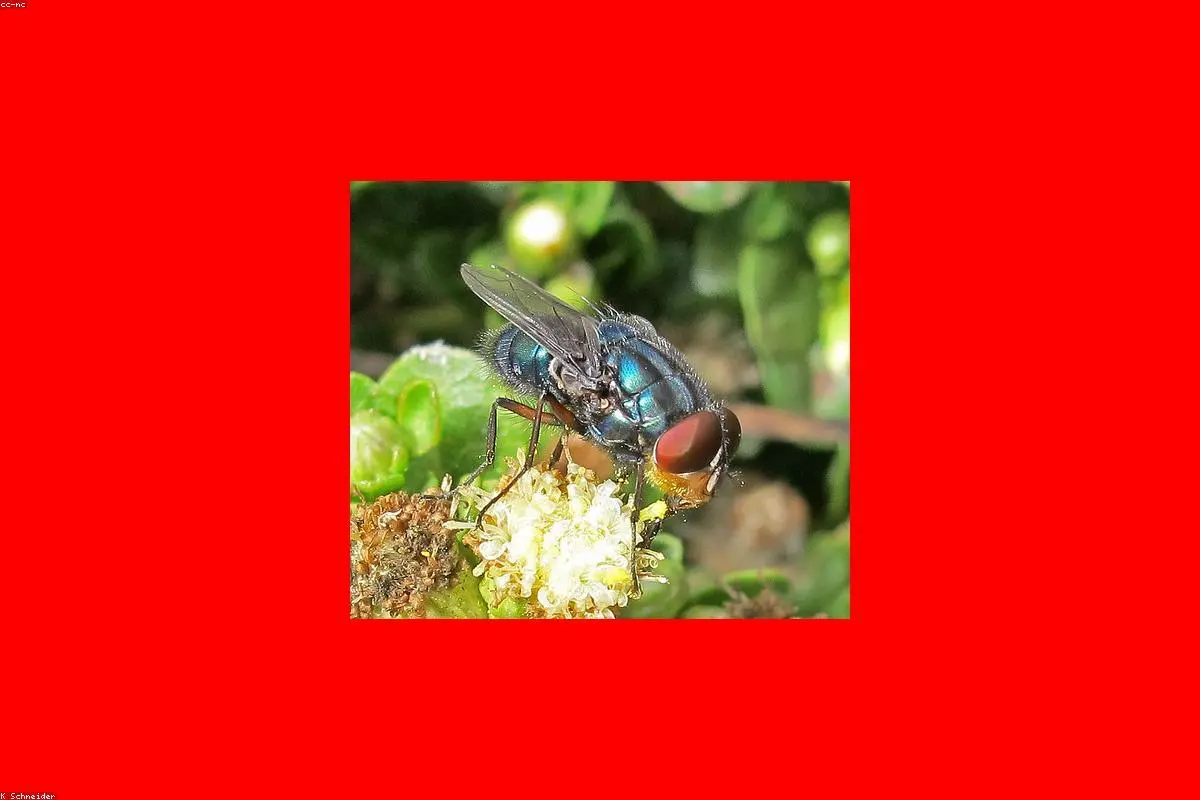
The screwworm isn't your average housefly. Its name, derived from the Latin for 'man-eater,' reflects its devastating lifecycle. Female flies lay eggs in the slightest of nicks—a tick bite, a wire scratch, or even a newborn calf’s navel. Once the larvae hatch, they begin their grisly work. If left untreated, the resulting infections are often fatal to livestock, pets, and, in rare cases, humans. Recent reports from the BBC highlight a growing concern that this parasite is pushing past historical boundaries, threatening to undo decades of successful eradication efforts.
The Biological Wall in the Darien Gap
For more than half a century, the United States and its partners have maintained a 'biological barrier' at the Darien Gap, the dense jungle border between Panama and Colombia. This wasn't built with concrete or wire, but with science. By consistently releasing sterile male flies into the wild, officials effectively prevented the population from migrating northward. This success allowed the US to be declared screwworm-free in 1966, saving the American cattle industry billions of dollars in potential losses.
However, that barrier is now under immense pressure. Factors such as changing climate patterns, increased movement of people and animals, and even political instability have contributed to a resurgence of cases in Panama and Costa Rica. This spike in activity has sent shockwaves through the international agricultural community, leading the US Department of Agriculture (USDA) to move from a posture of maintenance to one of active combat.
Deploying the Fly-Based 'Birth Control'
The primary weapon in this fight remains the Sterile Insect Technique (SIT). It is a simple yet brilliant concept: laboratories in Panama mass-produce millions of screwworm flies, which are then irradiated to make them sterile. These flies are loaded onto planes and released over affected areas. When the sterile males mate with wild females, no offspring are produced. Over several generations, the population crashes.
But the sheer scale of the current outbreak requires more than just planes. Officials are now looking at more localized, ground-based releases to target hotspots that are difficult to reach from the air. It is a race against time; every female fly that finds a host can lay hundreds of eggs, potentially fueling a localized explosion of the parasite that could hitchhike across borders in the back of a truck or on the hide of a stray dog.
Canines on the Front Lines
While the flies handle the long-term population control, a more immediate form of detection is being deployed at checkpoints: sniffer dogs. Much like their cousins who hunt for narcotics or explosives, these specialized canines are trained to detect the unique scent of a screwworm infestation long before it becomes visible to the human eye. A dog’s nose can pick up the faint odor of larvae deep within a wound, allowing veterinarians to treat the animal and prevent the flies from spreading further.
This canine intervention is a critical component of the biosecurity net. In a busy transit corridor, humans cannot inspect every square inch of every animal passing through. A trained dog, however, can sweep a trailer of cattle in minutes. These dogs aren't just pets; they are high-tech biological sensors that provide a layer of defense that no machine can currently match.
Why This Matters Globally
The implications of this fight extend far beyond the pastures of Central America. We live in an era of unprecedented global connectivity, where a pest in one corner of the world can arrive on the other side of the planet within 24 hours. The resurgence of the screwworm is a sobering reminder that biological gains are never permanent; they require constant vigilance and international cooperation.
Economically, the stakes are staggering. If the screwworm were to re-establish itself in the United States, the USDA estimates it would cost the livestock industry over $1 billion annually. Beyond the money, there is the ethical consideration of animal welfare. The suffering caused by these parasites is profound, and the ecological impact on native wildlife populations—which cannot be easily treated like domestic cattle—could be catastrophic.
As the US and its neighbors double down on these innovative tactics, the world is watching. The success of using flies and dogs to contain a flesh-eating parasite isn't just a win for farmers; it’s a blueprint for how we might manage other invasive species in an increasingly volatile climate. Nature is adaptable, but with a mix of high-tech entomology and the ancient instincts of our canine companions, humanity is proving it can be just as resourceful.