The Velvet Revolution in the Produce Aisle
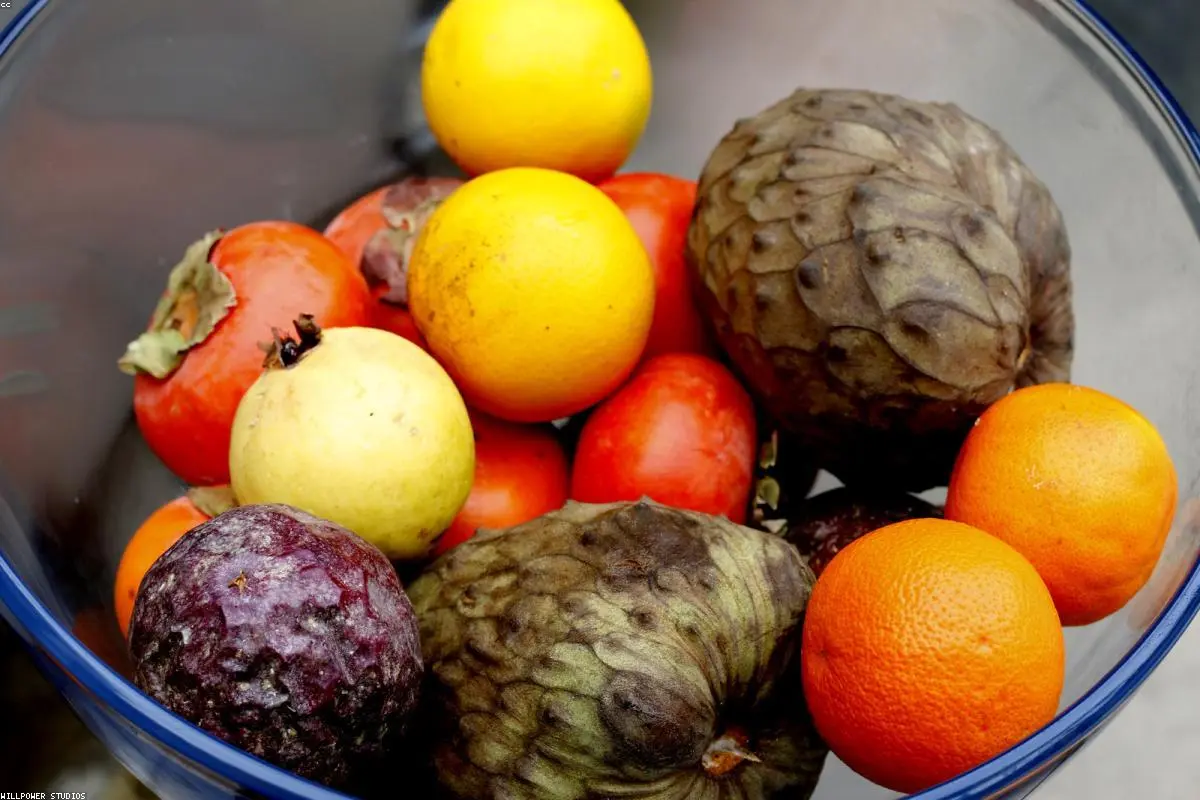
Imagine a fruit with the scaly, prehistoric skin of an artichoke but the interior of a Michelin-star pastry. When you slice it open, you aren’t met with the crunch of an apple or the acidity of a citrus fruit. Instead, you find a pearly white pulp that tastes remarkably like vanilla custard infused with hints of papaya and pineapple. This is the cherimoya—often called the 'custard apple'—and it is currently undergoing a global renaissance.
For decades, this fruit was a guarded secret of the Andean highlands, rarely seen outside of local South American markets or high-end specialty boutiques. Mark Twain once famously called it "the most delicious fruit known to men," yet logistics and climate requirements kept it out of the reach of the average consumer. According to a recent report by the BBC, that isolation is ending. As consumer palates grow more adventurous and global supply chains become more sophisticated, the custard apple is moving from a botanical curiosity to a commercial powerhouse.
Bridging the Gap with Precision Technology
The journey from a mountain slope in Peru to a supermarket shelf in London or New York is fraught with biological hurdles. Cherimoyas are notoriously finicky; they require specific humidity levels and are incredibly delicate once ripe. This is where modern technology has stepped in to bridge the gap. Agricultural scientists are now utilizing precision farming tools to mimic the cherimoya’s native microclimates in regions as diverse as southern Spain and coastal California.
Smart irrigation systems and AI-driven soil sensors allow farmers to monitor the exact nutrient requirements of these trees in real-time. Unlike traditional crops that might be treated with a one-size-fits-all approach, the rise of the custard apple depends on 'digital twin' modeling. By creating a digital replica of the orchard, growers can predict how a heatwave or a dip in humidity might affect the fruit’s sugar content, ensuring that every piece of fruit hitting the market maintains that signature creamy texture.
The Pollination Puzzle
One of the primary reasons the cherimoya remained a luxury for so long is its bizarre reproductive cycle. The flowers are dichogamous—they change sex throughout the day. In their native habitat, specific beetles handle the timing perfectly, but in new territories, these natural pollinators are absent. For years, this meant labor-intensive hand-pollination, where farmers used tiny brushes to move pollen from 'male' stage flowers to 'female' ones at dawn.
However, the sector is seeing a wave of innovation. New robotic pollination prototypes and specialized drones are being tested to automate this process. These tech-forward solutions are driving down the cost of production, making the fruit more accessible to the general public rather than just those willing to pay premium 'exotic' prices. It’s a fascinating example of how high-tech intervention can preserve a low-tech, ancient flavor profile.
Sustainability and the Changing Climate
The rise of the custard apple isn't just about consumer demand; it's also a story of adaptation. As traditional fruit-growing regions face shifting weather patterns, many farmers are looking for alternative crops that thrive in slightly warmer, sub-tropical conditions. The cherimoya, along with its cousin the atemoya, offers a high-value alternative to water-intensive crops.
Furthermore, the development of 'shelf-life extending' coatings—naturally derived from plant materials—has solved the fruit’s biggest weakness: its fragility. In the past, a ripe cherimoya would bruise if you looked at it too hard. Today, bio-tech coatings create a microscopic barrier that slows down respiration and ethylene production, allowing the fruit to be shipped across oceans without turning to mush. This synergy between biology and engineering is fundamental to the fruit's current market trajectory.
A New Staple for the Health-Conscious
Beyond the taste, the custard apple is benefiting from the global trend toward functional foods. It is packed with vitamin C, magnesium, and vitamin B6, positioning it as a 'superfood' in the eyes of many nutritionists. As social media platforms like TikTok and Instagram introduce younger generations to the visual satisfaction of scooping out custard-like fruit with a spoon, the demand has spiked among Gen Z and Millennial shoppers who value both health and novelty.
The rise of the fruit that tastes like custard is a testament to the modern food system's ability to evolve. By combining ancient genetics with cutting-edge ag-tech, we are entering an era where the world’s most elusive flavors are finally becoming a common indulgence. Whether eaten chilled with a spoon or blended into high-end desserts, the cherimoya is no longer a distant dream—it’s the next big thing in your fruit bowl.