The Allure of the Mechanical Narrator
Picture this: It’s 8:00 PM. You’ve had a grueling day at work, the dishes are piled high, and your toddler is clutching a copy of Where the Wild Things Are for the fourth time this week. In this moment of exhaustion, the idea of a perfectly modulated, AI-generated voice taking over the storytelling duties feels less like a tech experiment and more like a lifeline. With a single tap, the room is filled with a soothing, expressive narration that never tires and never skips a page.
We are entering an era where large language models and synthetic speech are so sophisticated they can mimic the cadence of a seasoned librarian. Yet, as highlighted in a recent perspective from EdWeek, the fact that AI can read to our children doesn’t necessarily mean it should. There is a fundamental difference between the transmission of audio and the shared experience of literacy.
The 'Serve and Return' of Human Literacy
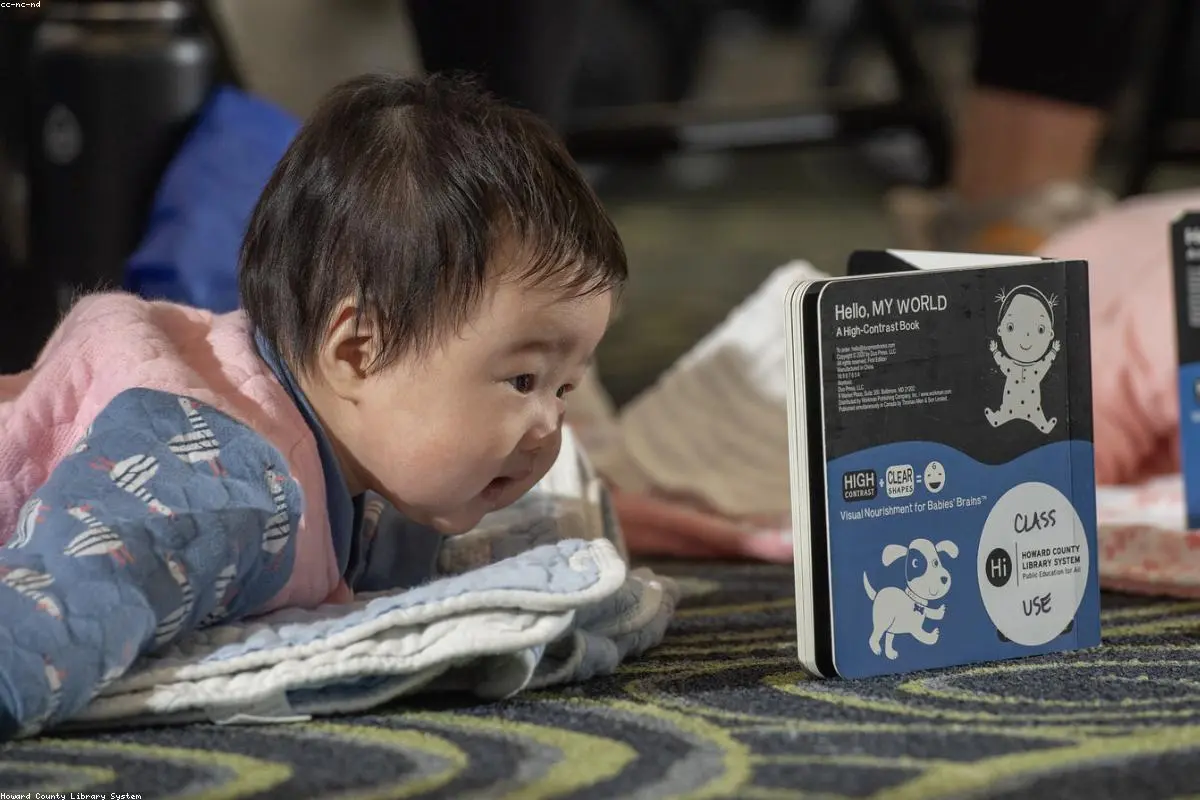
Child development experts often talk about 'serve and return' interactions—the back-and-forth social cues that build a child’s brain. When a parent reads to a child, the book is merely the catalyst for a much deeper engagement. You notice your child’s eyes widen at a particular illustration; you pause to ask, "Why do you think the rabbit looks sad?" or you let them interrupt to tell a story about their own day. These deviations are where the real learning happens.
In the broader landscape of modern Education, we often find ourselves confusing efficiency with efficacy. AI narrators are undeniably efficient. They can pronounce 'onomatopoeia' perfectly every time. But they lack the emotional intuition to know when a child is confused, bored, or frightened. An algorithm cannot feel the warmth of a child leaning against its shoulder, nor can it adjust its tone based on the unique emotional climate of the room.
The Risk of Passive Consumption
One of the primary concerns with outsourcing bedtime stories to AI is the shift from active participation to passive consumption. Reading is meant to be a social act. When a screen or a smart speaker takes over, the child moves from being an active participant in a dialogue to a passive consumer of content. This mirrors the 'lean back' experience of watching television, which provides far fewer cognitive benefits than the 'lean in' experience of shared reading.
Furthermore, early literacy is about more than just decoding sounds; it’s about context. A parent knows their child’s history, their fears, and their favorite jokes. A father might emphasize a certain word because he knows it’s a word his daughter just learned in school that morning. This layer of personalized context is what anchors new vocabulary into a child’s long-term memory.
The Convenience Trap
It is easy to cast technology as the villain, but the reality is more nuanced. Many parents turn to digital tools not out of a desire to ignore their children, but because of the immense pressures of modern life. However, we must be careful not to fall into the 'convenience trap.' When we automate the intimate moments of childhood, we risk thinning the relational glue that holds families together.
Meaningful Education begins at home, in the quiet spaces between the lines of a storybook. If we replace the human voice with a synthetic one, we aren't just changing the narrator; we are changing the nature of the relationship. The child learns that stories are something that come at them from a machine, rather than something shared with a loved one.
Finding a Middle Ground
Is there a place for AI in children’s literacy? Perhaps. AI could be a powerful tool for accessibility, helping children with visual impairments or providing support for parents who struggle with literacy themselves. It can be a bridge, but it should never be the destination. The goal should be to use technology to enhance human connection, not to substitute for it.
- Use AI as a prompt: Let AI generate story ideas that you then tell yourself.
- Keep it interactive: If using an audiobook or AI tool, stay in the room and discuss the story afterward.
- Prioritize the physical: The tactile act of turning a page and the physical closeness of a shared book remain irreplaceable.
Ultimately, the magic of a bedtime story isn't found in the plot of the book or the perfection of the performance. It is found in the safe, predictable presence of a caregiver. No matter how 'human' an AI voice sounds, it will never be able to offer the one thing a child needs most: the feeling of being truly seen and heard by the person reading to them.