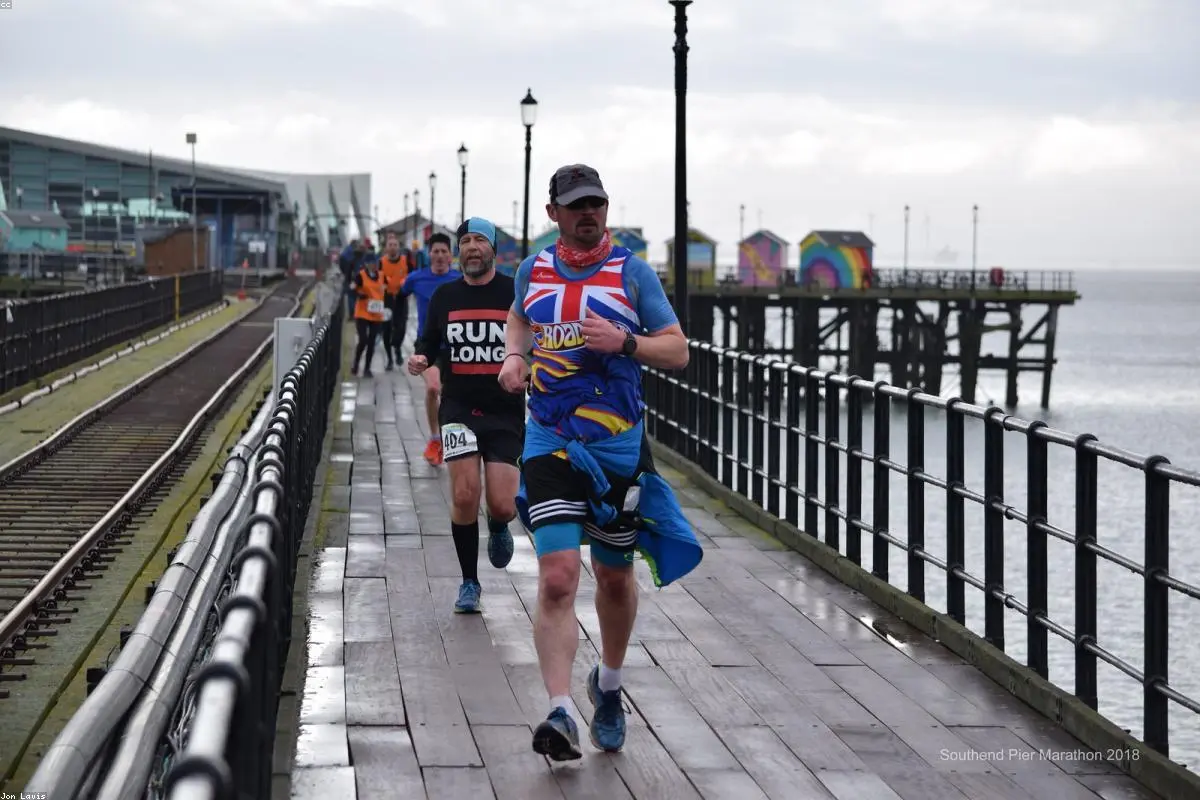
The Point of No Return
It starts as a dull ache in the quadriceps, eventually blossoming into a rhythmic, pounding protest from every joint in the body. For anyone who has pushed their physical limits—whether in a local 5K or a grueling ultramarathon—there is a moment when the internal monologue shifts from 'I can do this' to a desperate 'Why am I doing this?' It is the point where biological reserves are tapped out, and the brain begins to send urgent signals to stop.
However, as one athlete recently shared in a moving account featured by the BBC, the body isn't always the final arbiter of what is possible. Reflecting on a journey that tested the very edges of human capability, the runner noted a profound truth: "The kindness of people got me to the finish line." This sentiment challenges our traditional understanding of fitness as a purely individual pursuit and invites us to look closer at the intersection of community and physical health.
The Physiology of Encouragement
In the broader context of Health, we often compartmentalize physical training and social interaction. We track our macros, optimize our sleep, and follow rigid training blocks. Yet, there is a biological feedback loop triggered by human connection that no supplement can replicate. When we experience kindness or encouragement during a period of high stress, our bodies undergo a subtle but powerful chemical shift.
Psychologists often refer to this as 'social buffering.' When a stranger offers a cup of water, a high-five, or simply a shout of genuine encouragement, it can lower the runner's cortisol levels and trigger the release of oxytocin. This 'bonding hormone' doesn't just make us feel good; it can actually mitigate the perception of pain and dampen the fight-or-flight response that leads to mid-race panic. In essence, the kindness of others acts as a secondary fuel source, providing a psychological 'second wind' when the glycogen stores are empty.
Breaking the 'Lone Wolf' Myth
Society often glamorizes the 'lone wolf' athlete—the individual grinding away in silence, fueled only by grit and self-determination. While internal discipline is essential, the reality of high-level performance is far more collaborative. The finish line is rarely crossed alone, even in solo sports. It is the culmination of volunteers who stand in the rain for hours, fellow competitors who offer a hand when a runner stumbles, and spectators who provide the vocal energy needed to climb the final hill.
This dynamic creates a shared sense of purpose. When someone says, 'the kindness of people got me there,' they aren't just being humble; they are acknowledging that human energy is transferable. When we see someone else believe in our ability to finish, it becomes significantly harder to give up on ourselves. This is a vital component of mental resilience, a pillar of holistic well-being that is just as important as cardiovascular strength.
Lessons for Everyday Wellness
The lessons learned on a racecourse apply far beyond the world of competitive sports. Most of us are running our own version of a marathon—balancing career demands, family responsibilities, and personal health goals. There are days when the 'finish line' of a work week or a personal recovery journey feels impossibly far away. In these moments, the importance of a supportive community cannot be overstated.
- Accountability Partners: Having someone to share the burden of a health goal makes the process less daunting.
- Small Acts of Service: Just as a volunteer’s water cup saves a runner, a small gesture from a friend can save a difficult day.
- Vulnerability: Admitting when we are at our limit allows others to step in with the 'kindness' needed to keep us moving.
This interplay between the individual and the collective is what builds sustainable health. When we view our well-being through the lens of community, the pressure to be 'perfect' on our own diminishes. We begin to understand that falling down is a part of the process, provided there is a hand nearby to help us back up.
The Ripple Effect of a Shared Goal
What is perhaps most inspiring about the BBC report is the suggestion that this kindness is a two-way street. The people standing on the sidelines, offering their support, aren't just helping the athlete; they are participating in a collective human experience that boosts their own sense of meaning and connection. Generosity has been shown to improve the mental health of the giver as much as the receiver, creating a virtuous cycle of wellness that extends throughout the community.
Ultimately, the finish line is more than just a physical marker in the dirt. It is a testament to what happens when individual effort meets collective compassion. While training prepares the legs for the distance, it is the invisible thread of human connection that often carries us across the final mile. As we navigate our own health journeys, let us remember that reaching out is not a sign of weakness, but a strategic part of the path to success.