The Digital Defense of a Darts Prodigy
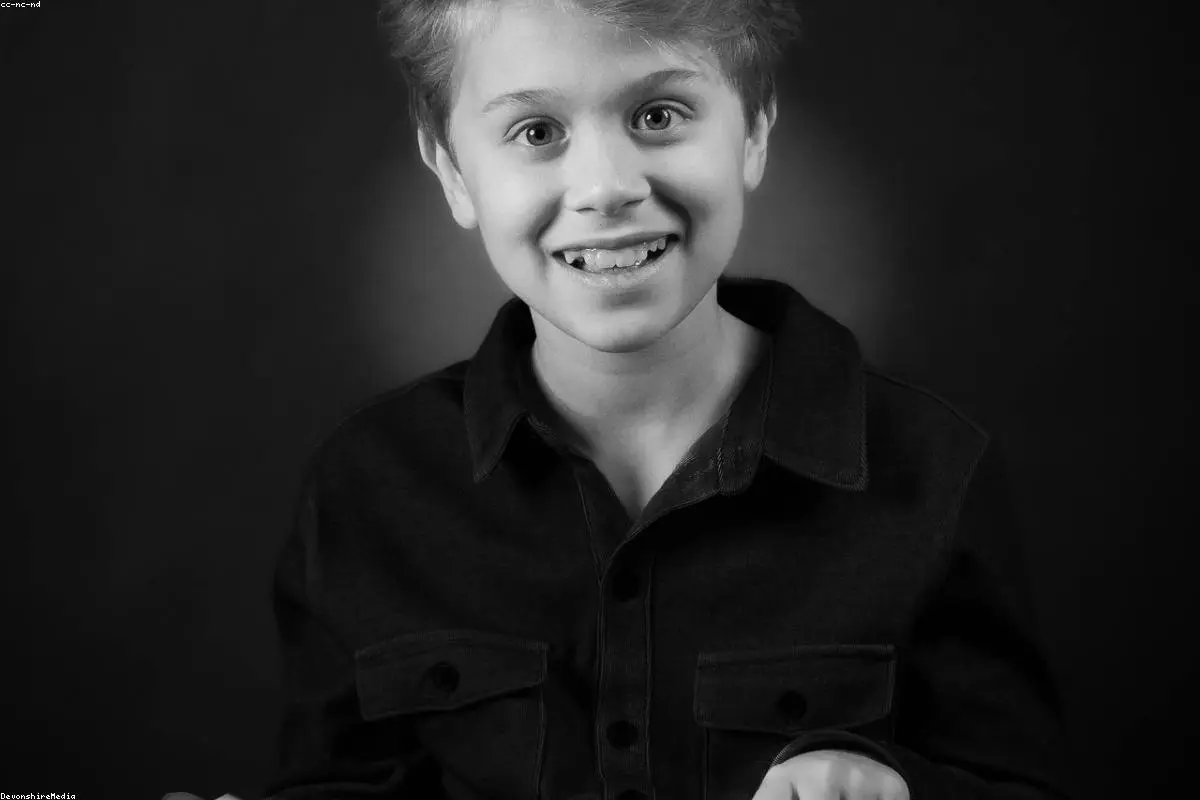
At just 17 years old, Luke Littler has already mastered the art of the perfect throw under immense pressure. However, his latest move isn't happening on the oche, but rather in the sterile halls of the Intellectual Property Office (IPO). The darts sensation has reportedly applied to trademark his own face, a strategic maneuver designed to provide a legal shield against the growing threat of AI-generated fakes and unauthorized digital likenesses.
This isn't merely a vanity project. According to reports from the BBC, Littler’s team is looking to secure the rights to his image across a vast array of categories, from clothing and toys to digital media. It is a proactive response to a world where a celebrity's face can be hijacked by an algorithm in seconds, often for deceptive or commercial purposes without their consent.
The Rise of the Digital Doppelgänger
The technology behind deepfakes and generative AI has reached a level of sophistication that was once the stuff of science fiction. Today, a relatively unskilled user can take a few minutes of footage and create a hyper-realistic video of a celebrity endorsing a product, sharing a political opinion, or even participating in fraudulent schemes. For a young star like Littler, whose brand value has skyrocketed in less than a year, the risks are palpable.
When an athlete’s image becomes their primary asset, the inability to control that image is a direct threat to their livelihood. We are seeing an increase in AI-generated 'scam-ads' where famous faces are used to lure unsuspecting fans into crypto-currency 'get-rich-quick' schemes or dubious betting apps. By securing a trademark, Littler’s legal team gains a much sharper sword to swing at these digital infringements, allowing for faster takedowns and more robust legal recourse.
A New Frontier in Technology and Law
The intersection of celebrity and Technology is becoming increasingly crowded. Historically, trademarking a name or a logo was standard practice, but trademarking a face presents a more complex legal landscape. Trademarks are traditionally intended to signify the source of a product. By trademarking his likeness, Littler is essentially arguing that his face itself is a 'brand' that consumers associate with specific quality and authenticity.
This move highlights a significant gap in current legislation. Many legal systems are still playing catch-up with the speed of AI development. While 'Right of Publicity' laws exist in some jurisdictions, they are often patchwork and difficult to enforce internationally. Trademark law, however, offers a more standardized framework for protecting commercial assets across borders. It signals a shift where human identity is being codified as intellectual property to survive the digital onslaught.
Why Now? The Context of a Teenage Sensation
One might wonder why a teenager is leading the charge on such a sophisticated legal front. The answer lies in the sheer velocity of Littler’s fame. Unlike stars of the past who had years to build their brand protection, Littler became a household name overnight. In the current digital ecosystem, that kind of rapid ascent is immediately met with a swarm of automated bots and opportunists looking to monetize his fame.
Wait-and-see is no longer a viable strategy. If Littler doesn't own the rights to his digital self now, the internet will effectively 'homestead' his identity. We are moving toward a 'NIL' (Name, Image, Likeness) era that isn't just for American college athletes anymore; it’s a global necessity for anyone with a public profile. This strategy ensures that when fans buy 'The Nuke' merchandise or engage with his digital content, they are interacting with the authentic source, not a synthetic imitation.
The Broader Implications for the Industry
Littler’s application likely marks the beginning of a trend rather than an isolated incident. As generative AI becomes more accessible, we should expect a wave of similar filings from musicians, actors, and influencers. This creates an interesting paradox: as AI makes it easier to replicate humanity, the legal cost of being a 'unique human' continues to rise.
Moreover, this creates a new challenge for social media platforms and AI developers. If a face is a registered trademark, the liability for hosting deepfakes might shift. Currently, platforms often hide behind 'safe harbor' provisions, but trademark infringement is often treated with much more urgency by corporate legal departments than general complaints of impersonation.
The Future of the Authentic Self
Ultimately, Luke Littler's legal gambit is about more than just preventing unauthorized t-shirts. It is about the right to own one's digital future. As we spend more of our lives in digital spaces, the line between our physical selves and our digital avatars becomes thinner. Protection against AI fakes is, in essence, the modern-day equivalent of protecting your signature or your DNA.
While Littler continues to focus on the board and his next tournament, his legal team is ensuring that the 'Nuke' brand remains explosive for all the right reasons. In the high-stakes game of digital identity, Littler isn't just playing to participate; he's playing to win, ensuring that the only person profiting from his face is the one who earned the fame in the first place.