A Capital Reeling Under the Sound of Gunfire
For the residents of Mogadishu, the rhythmic thud of heavy machine guns and the sharp crack of sniper fire have become a terrifyingly familiar soundtrack. This week, the Somali capital was once again transformed into a theater of war, not against the usual insurgency of Al-Shabaab, but due to an internal political rupture that many saw coming from miles away. The current escalation marks a dangerous new chapter in a long-running row over delayed elections, pushing the Horn of Africa nation toward a constitutional abyss.
The violence erupted in the wake of mounting frustration over the government's inability to organize a timely vote. What began as a series of heated debates in cooled boardrooms has spilled over into the dusty streets of the capital, with security forces loyal to the administration clashing with units aligned with opposition leaders. The stakes could not be higher; at the heart of the conflict is a fundamental disagreement over power, legitimacy, and the very future of the Somali democratic experiment.
The Roots of the Political Impasse
To understand the chaos unfolding in Mogadishu, one must look back at the timeline of political friction that led here. The current administration’s mandate technically expired months ago, yet a failure to reach an agreement on the electoral process has left the country in a state of suspended animation. The opposition accuses the leadership of a power grab, citing the lack of a clear roadmap for the polls as evidence of an attempt to stay in office indefinitely.
Conversely, the government maintains that the delays are purely logistical and security-driven. They argue that holding a one-person-one-vote election—a long-held dream for the nation—requires more time and preparation than the current climate allows. However, for many in the International community, these explanations are wearing thin as the risk of a full-scale civil war grows more localized and intense.
According to reports from the BBC, the recent flare-up was triggered when security forces attempted to block opposition figures from holding rallies or moving freely through certain districts. This heavy-handed approach served as the spark for a tinderbox of resentment, leading to the mobilization of rival clan-based militias who had, until recently, been integrated into the national security apparatus.
The Humanitarian and Security Vacuum
While the political elite bicker over terms and conditions, the ordinary citizen pays the heaviest price. Marketplaces have shuttered, and thousands of families are once again faced with the agonizing decision of whether to flee their homes or hunker down and hope the walls are thick enough to stop stray bullets. The humanitarian impact is immediate, but the long-term security implications are perhaps even more concerning.
Somalia has spent decades battling the Al-Qaeda-linked militant group Al-Shabaab. For years, the African Union and various international partners have invested heavily in training the Somali National Army to take over the fight. However, when these very soldiers turn their weapons on each other over domestic political grievances, it creates a massive security vacuum. There is a palpable fear that Al-Shabaab will capitalize on this internal fracture, reclaiming territories that were won back at a high cost of blood and treasure.
A Delicate Path Forward
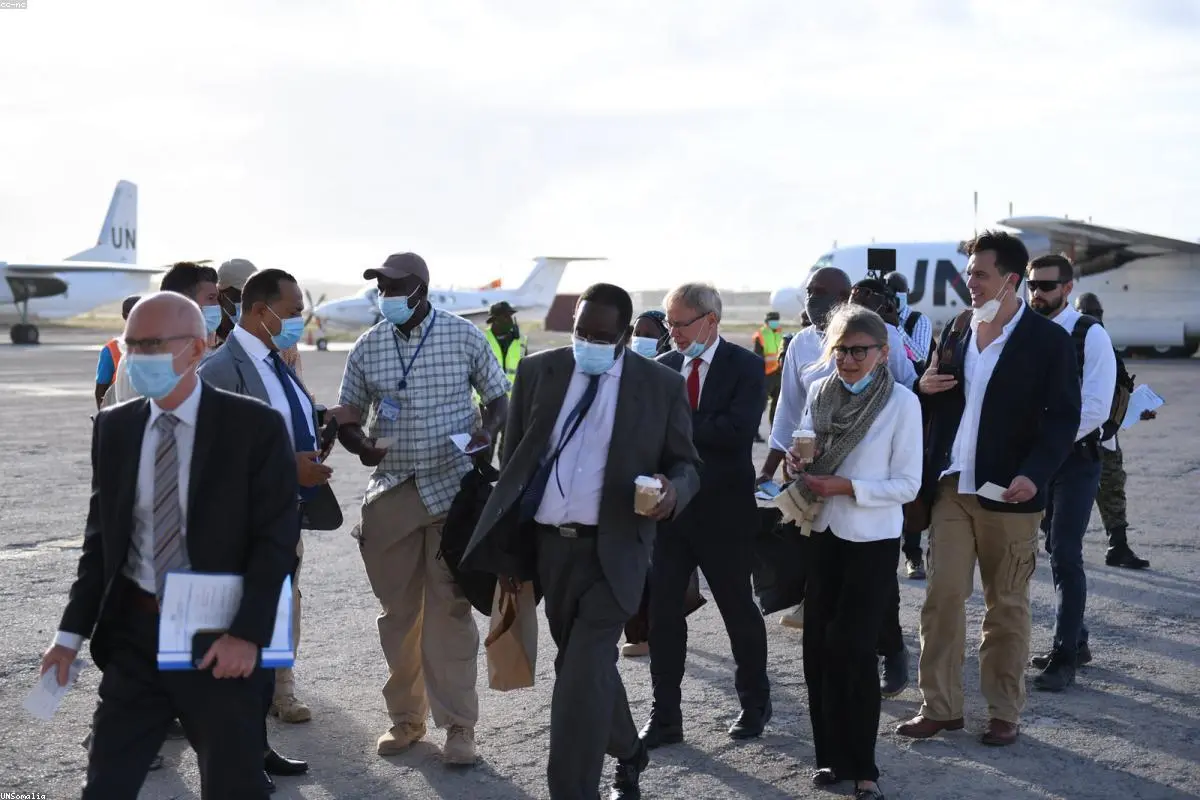
Diplomatic efforts are currently operating at a fever pitch. Envoys from the United Nations and neighboring countries are scrambling to bring all parties back to the negotiating table. The message from the global stage is clear: there is no military solution to this political crisis. For any ceasefire to hold, there must be a genuine commitment to a transparent electoral schedule that all stakeholders can trust.
The problem, however, is the lack of trust. The opposition remains wary of any promises made by an administration they view as illegitimate, while the government feels besieged by rivals they believe are more interested in personal power than national stability. This zero-sum game of politics is exactly what has hindered Somalia’s progress for decades.
Moving forward, the focus must remain on institutionalizing the electoral process so it no longer remains a hostage to individual political ambitions. Whether this can be achieved before the capital descends into further ruin remains the most pressing question in East Africa today. If the gunfire in Mogadishu tells us anything, it is that the window for a peaceful, negotiated settlement is closing rapidly, and the cost of failure will be borne by the millions of Somalis who simply want to live in a functioning state.
Conclusion
As the international community watches with bated breath, the coming days will be decisive. Will the leaders in Mogadishu choose the path of compromise, or will the lure of total power lead the country back into the dark days of clan warfare? The heavy gunfire echoing through the capital is a grim reminder that in the absence of a ballot box, the bullet remains the default arbiter of power.