Masterpieces Vanish: Renoir, Cézanne, and Matisse Paintings Stolen in Daring Italian Heist
The quiet serenity of a historic Italian villa was shattered last night as an audacious art heist saw three priceless paintings by Pierre-Auguste Renoir, Paul Cézanne, and Henri Matisse disappear without a trace. The incident, reminiscent of a cinematic 'Italian Job', has sent tremors through the art community and law enforcement agencies across the globe, highlighting the persistent threat to cultural heritage from organized crime.
Details surrounding the theft are still emerging, but initial reports suggest a highly professional operation. Authorities were alerted in the early hours of Tuesday morning after a security breach at Villa Rossi-Caruso, a private estate nestled in the rolling hills of Tuscany, known for its discreet yet significant art collection. Investigators believe the perpetrators bypassed sophisticated alarm systems and surveillance, indicating meticulous planning and inside knowledge. There were no signs of forced entry, pointing to a swift and silent extraction of the canvases.
The Irreplaceable Losses: A Trio of Artistic Giants
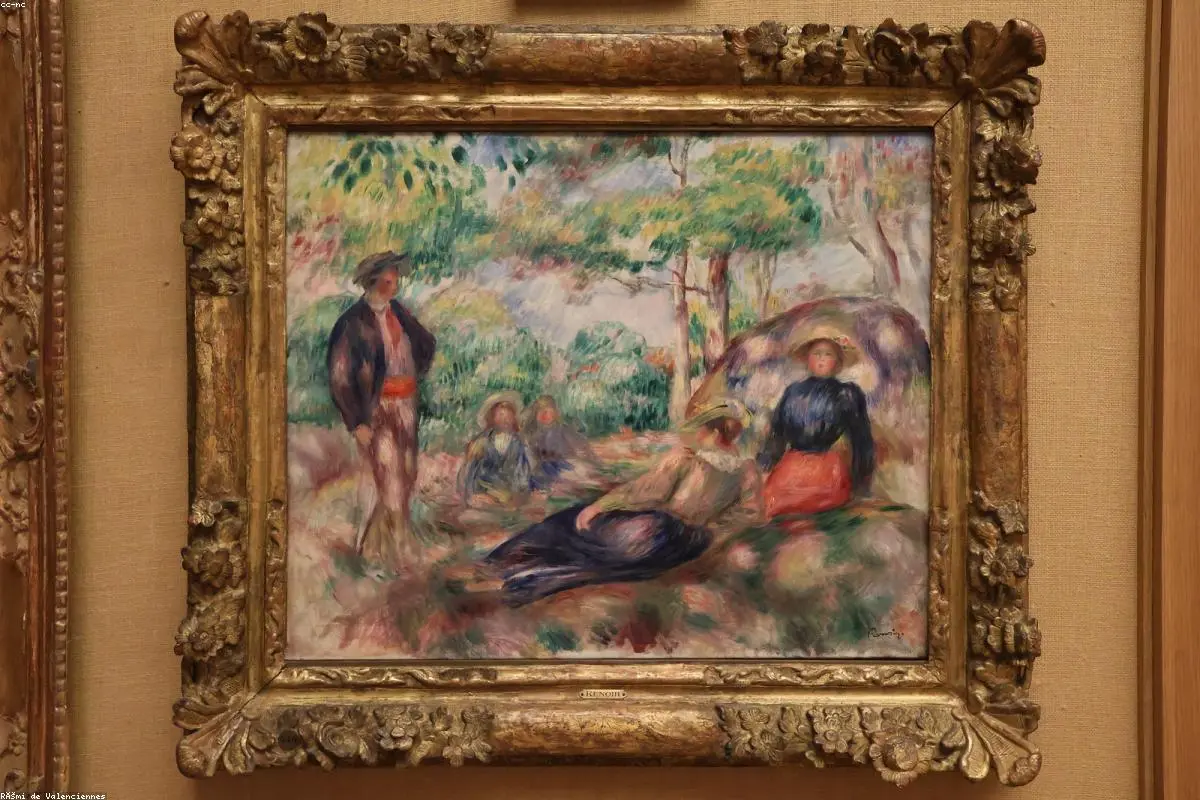
The stolen works represent an invaluable slice of art history. The missing pieces include Renoir's vibrant 'Jeune femme à l'ombrelle', a quintessential example of his Impressionist portraiture; Cézanne's brooding landscape, 'Vue sur la Montagne Sainte-Victoire', a precursor to Cubism; and Matisse's colourful Fauvist work, 'La Danse' (a smaller study version). Each painting carries an estimated value well into the tens of millions, but their true worth lies in their cultural and historical significance, making them truly irreplaceable.
“To lose even one such work is a tragedy, but to lose all three in a single incident is a devastating blow to our shared cultural patrimony,” commented Dr. Elena Ricci, a renowned art historian from Florence. “These aren't just objects of immense monetary value; they are milestones in the development of modern art, cherished by humanity.”
The Shadowy World of Stolen Art
The immediate question on everyone's mind is: where do such high-profile artworks go? Unlike other stolen goods, masterpieces by Renoir, Cézanne, and Matisse are too famous to be openly sold on the legitimate market. Experts widely agree they are destined for the illicit black market, often used as collateral in criminal dealings, for ransom, or to satisfy the desires of extremely wealthy, shadowy collectors who view them as ultimate status symbols.
The international nature of such crimes means that cross-border cooperation is paramount. Interpol has already been alerted, and a specialized unit of the Italian Carabinieri, dedicated to protecting cultural heritage, has taken charge of the investigation. The global network of art dealers, auction houses, and private collectors will be on high alert, making it incredibly difficult for the thieves to 'fence' these works without drawing immediate suspicion.
For more insights into crimes that transcend national borders, you can explore our International category.
A Pattern of Professional Art Heists
This latest incident sadly follows a pattern of high-stakes art thefts that have plagued museums and private collections for decades. From the infamous 1990 Isabella Stewart Gardner Museum heist in Boston to the repeated targeting of Van Gogh's works, the allure of masterpieces remains a potent draw for sophisticated criminal organizations. These thefts are rarely about immediate financial gain through public sale; rather, they involve a complex web of intermediaries and ulterior motives.
- Ransom Demands: Thieves often hope to negotiate a reward for the paintings' safe return.
- Criminal Collateral: Art can be used as a form of currency in other illegal trades, like drugs or weapons.
- 'Grail' Collectors: A tiny, secretive cabal of illicit collectors might commission such heists, valuing ownership over public display.
The challenge for law enforcement is not just to identify the culprits, but to track the paintings before they vanish deeper into the opaque world of illegal art trafficking. Every hour counts in the recovery effort, as the longer the art is missing, the harder it becomes to trace.
The Race Against Time
As the investigation unfolds, a palpable sense of urgency permeates the art world. High-resolution images of the stolen paintings have been circulated globally, and customs officials at borders and ports are on high alert. The hope remains that these cultural treasures can be recovered and returned to their rightful place, ensuring future generations can appreciate the genius of Renoir, Cézanne, and Matisse.
This audacious 'Italian Job' serves as a stark reminder of the vulnerability of even the most protected masterpieces and the relentless efforts required to safeguard our collective artistic heritage. The international community watches with bated breath, hoping for a breakthrough in what promises to be one of the most significant art recovery efforts in recent memory. (Source context: BBC News)