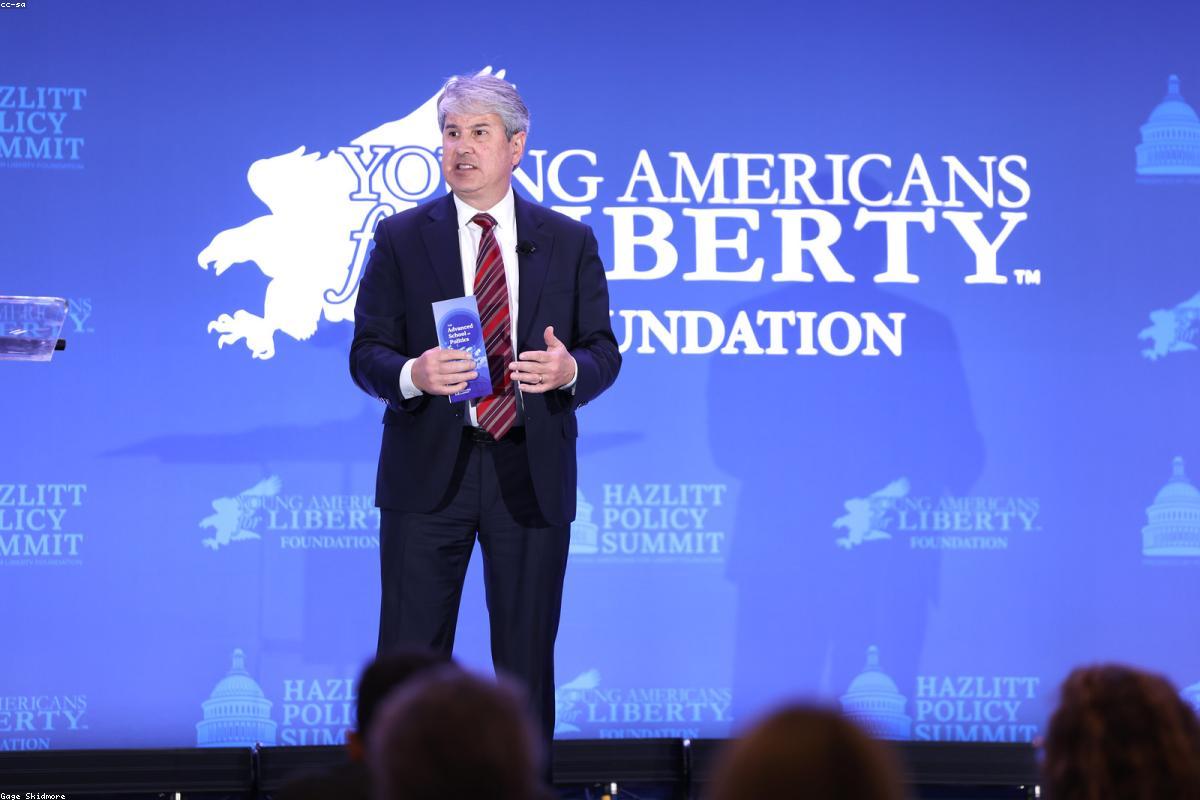
Trump Reportedly Taps Kevin Warsh to Lead the Federal Reserve Amid Economic Uncertainty
In a move that could dramatically reshape the landscape of U.S. monetary policy, former President Donald Trump has reportedly selected **Kevin Warsh** as his preferred candidate to take the helm of the Federal Reserve. Warsh, a former member of the Federal Reserve Board of Governors and one-time economic advisor in the George W. Bush administration, is known for his relatively hawkish views, prioritizing inflation control over prolonged low-interest rates. This selection, if confirmed, signals a sharp departure from current Fed policy and is already causing ripples across global business and investment sectors.
Who is Kevin Warsh? A Look at His Economic Philosophy
Kevin Warsh’s tenure at the Fed during the 2008 financial crisis established him as a significant voice in central banking. Unlike some peers who advocated for aggressive quantitative easing, Warsh often expressed skepticism regarding expansive monetary stimulus, arguing it could fuel future inflation risks. His potential appointment suggests a pivot toward tighter monetary conditions and potentially less regulatory oversight within the banking sector.
“Warsh brings an intellectual rigor to the table, but his historical tendency toward quicker rate normalization is what concerns those focused purely on growth metrics,” commented one senior business analyst tracking potential appointments. This viewpoint is critical, as the Fed Chair's decisions directly influence borrowing costs, employment levels, and overall economic stability.
Market Reaction and Policy Implications
The news has elicited mixed reactions on Wall Street. Bonds markets reacted swiftly, with yields ticking upward on anticipation of a Fed less inclined to keep rates subdued. Equities, while initially volatile, seem to be digesting the news, focusing on whether Warsh’s mandate will prioritize stability or aggressive growth.
A key area of focus will be Warsh’s stance on regulatory framework reform. Reports from various news outlets suggest Trump favors leaders willing to reassess Dodd-Frank regulations. If Warsh aligns with this agenda, the landscape for financial services institutions could undergo significant changes.
For investors, understanding this potential shift is crucial for portfolio management. Those interested in deeper dives into current economic trends can explore more analyses within our Business category.
Comparison to Current Fed Leadership and Historical Precedents
The leadership of the Federal Reserve is always under intense scrutiny, particularly when political appointments deviate significantly from the incumbent path. While the current Fed has navigated post-pandemic inflation challenges, Warsh’s presumed framework—focused heavily on preemptive inflation targeting—could lead to a more aggressive hiking cycle should inflation prove persistent.
This nomination process will undoubtedly follow standard confirmation procedures, but the mere speculation underscores the political dimensions inherent in leading the nation's central bank. For more background on the political context surrounding key financial appointments, interested readers can refer to detailed reporting such as that found via the BBC News source: https://www.bbc.com/news/articles/c2d7yddrl2xo?at_medium=RSS&at_campaign=rss.
The Road Ahead for Confirmation
Should a formal announcement occur, Warsh will face rigorous questioning from the Senate Banking Committee regarding his commitment to the Fed’s dual mandate: maximum employment and stable prices. His public commentary leading up to any confirmation hearing will be closely analyzed by economic forecasting agencies worldwide.
Conclusion: A Potential New Era for U.S. Monetary Policy
The reported selection of Kevin Warsh to lead the Federal Reserve represents a potentially pivotal moment for American finance. His known conservative stance on monetary expansion contrasts sharply with recent years, promising a period of heightened market sensitivity as the economy adjusts to the prospect of new leadership focused on fiscal discipline and inflation containment. Businesses should prepare for a climate where the cost of capital may become a more central determinant of investment strategy.