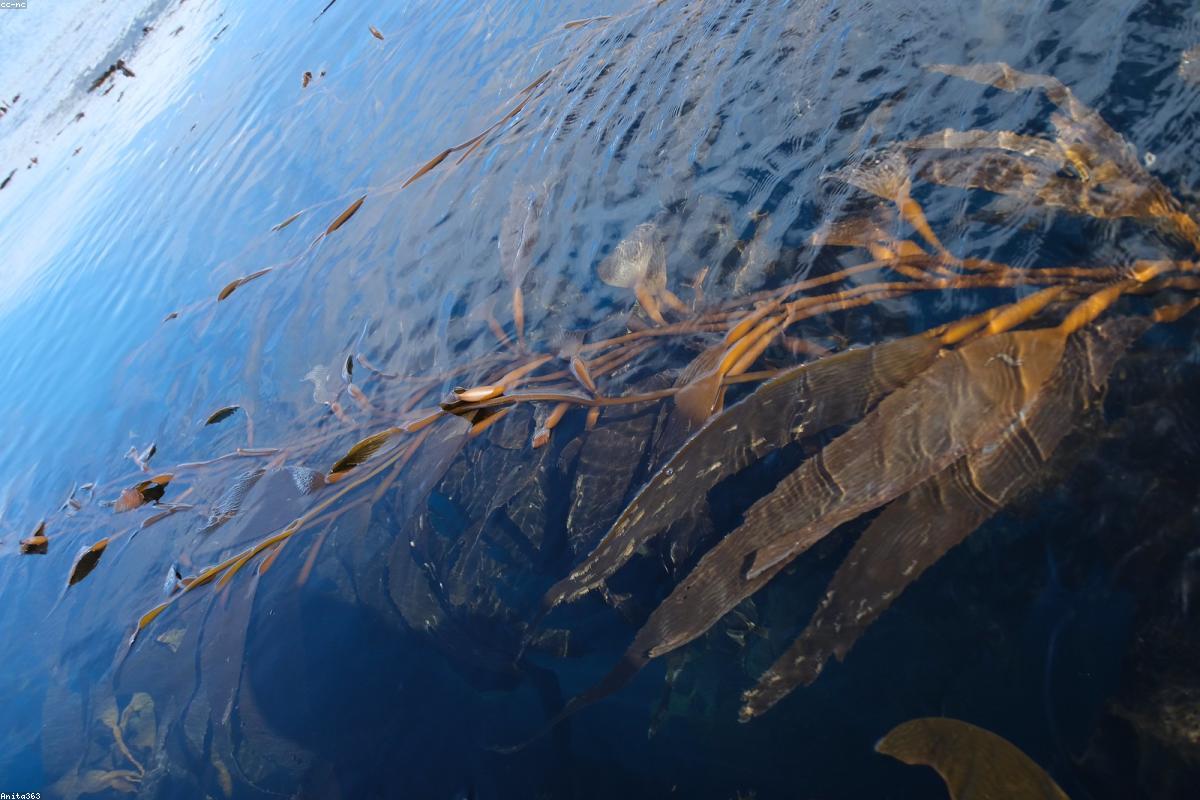
The Korean Wave and the Seaweed Surge
From K-pop and K-dramas to Korean skincare and cuisine, the “Korean Wave” – known as Hallyu – continues to sweep across the globe. While the cultural impact is undeniable, a less-expected consequence is emerging: a significant increase in the price of seaweed. This isn't just affecting Korean consumers; the ripple effect is being felt internationally, impacting food manufacturers, health food enthusiasts, and everyday shoppers.
Why Seaweed? A Staple in Korean Culture
Seaweed, particularly gim (roasted seaweed sheets) and miyeok (wakame seaweed), is a cornerstone of Korean cuisine. It’s served as a side dish with almost every meal, used in soups, salads, and increasingly, as a popular snack. Beyond food, seaweed is a key ingredient in Korean beauty products, prized for its rich mineral content and hydrating properties. The BBC recently reported on this phenomenon, detailing how demand is outstripping supply. Read more about the seaweed shortage on the BBC.
Global Demand and Supply Chain Issues
South Korea is the world’s largest consumer of seaweed, accounting for roughly 50% of global demand. However, the international appeal of Korean culture has dramatically increased demand from countries like the United States, China, Japan, and across Europe. This surge in demand is coinciding with several supply-side challenges. Climate change is impacting seaweed harvests, with warmer ocean temperatures and increased frequency of extreme weather events damaging seaweed farms. Specifically, recent heatwaves and marine heatwaves have devastated seaweed cultivation in key producing regions.
Impact on Prices and Industries
Price Increases: The price of dried seaweed has risen sharply in recent months. Wholesale prices have reportedly increased by as much as 70% in some areas. This increase is being passed on to consumers, making seaweed-based products more expensive.
Food Industry: Food manufacturers who rely on seaweed as an ingredient – in snacks, seasonings, and health foods – are facing increased production costs. Some are being forced to reformulate products or raise prices.
Seaweed Farmers: While increased demand might seem beneficial for seaweed farmers, the unpredictable climate and the time it takes to cultivate seaweed mean they are struggling to meet the demand. Many are investing in more resilient farming techniques, but these require significant capital.
Beyond Korea: International Implications
The seaweed price hike highlights the interconnectedness of global supply chains and the impact of cultural trends on commodity markets. This situation also underscores the vulnerability of food systems to climate change. The demand for seaweed isn't limited to culinary uses; it's also a growing ingredient in sustainable packaging and biofuels, adding further pressure on supply. For more on global economic trends, explore our International section.
What’s Next for the Seaweed Market?
Experts predict that seaweed prices will remain elevated in the short to medium term. Increased investment in sustainable seaweed farming, diversification of seaweed sources, and the development of climate-resilient seaweed varieties are crucial to address the supply challenges. Consumers may also need to adjust to higher prices or explore alternative seaweed products. The future of this increasingly popular ingredient depends on a collaborative effort to ensure a stable and sustainable supply chain.


