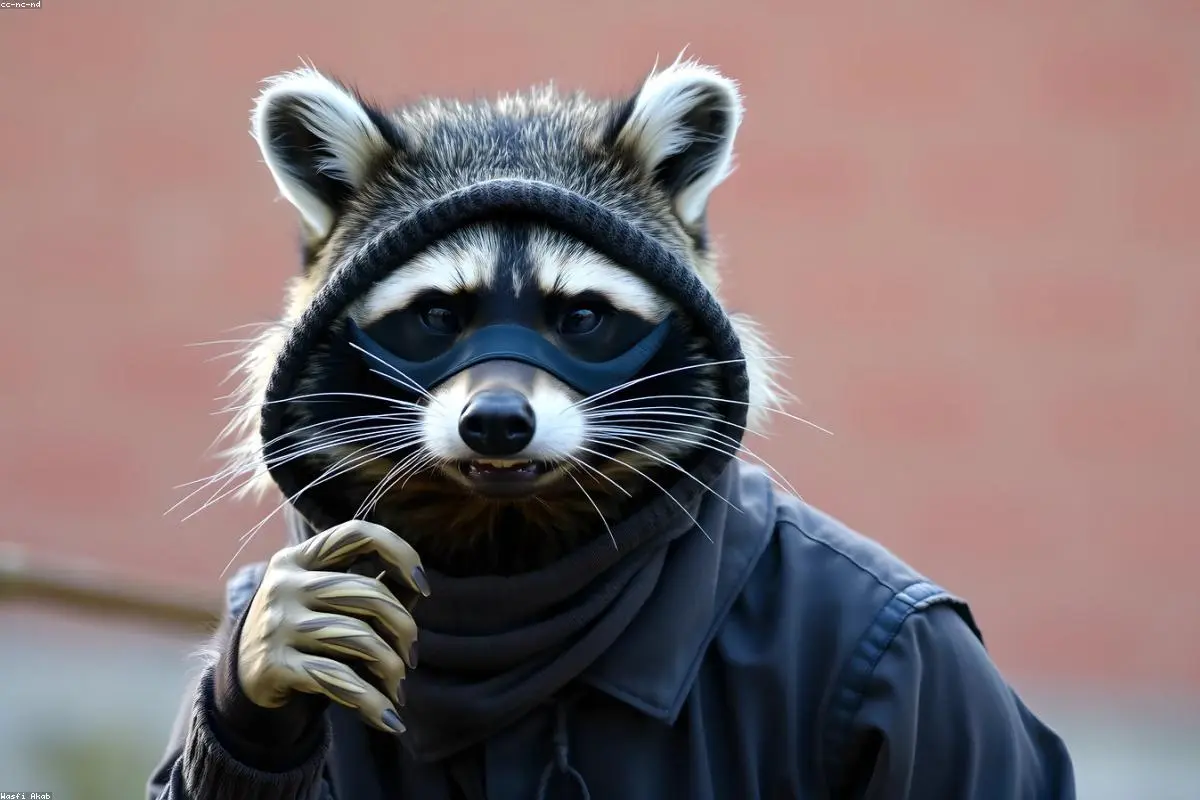
The Unlikely Rise of a Suburban Superstar
It usually starts with a flick of a thumb. You’re scrolling through your feed, past the political debates and the sponsored ads for meal kits, when a pair of glowing eyes and a set of nimble, human-like paws appear. This is Jimothy. He isn’t a celebrity chef or a fitness influencer, but he has more followers than most of them combined. Jimothy is a raccoon, and according to the latest digital trends, he is currently the most famous animal on the planet.
The obsession didn’t happen overnight, but it felt like it. It began with a grainy, low-light clip of Jimothy attempting to 'wash' a stolen smartphone in a backyard birdbath. The sheer absurdity of the act—a creature of the night treating high-end hardware like a piece of questionable fruit—hit the collective funny bone of the internet. Since then, the 'Jimothy Effect' has seen the raccoon featured in countless memes, fan art, and even speculative think pieces about the nature of our relationship with urban wildlife.
The Science of the Viral Loop
While Jimothy’s antics are undeniably charming, his meteoric rise is deeply rooted in the current state of Technology and how it shapes our daily media consumption. We are no longer in an era where a video goes viral simply because it’s 'good.' Instead, we are at the mercy of sophisticated recommendation engines that identify high-retention content within milliseconds of its upload.
As reported by the BBC, the phenomenon of 'comfort content' has seen a massive uptick in engagement over the last eighteen months. Platforms like TikTok and Instagram use AI-driven algorithms to categorize Jimothy’s videos not just as 'animal clips,' but as high-value dopamine triggers. When you watch Jimothy successfully navigate a complex cat door, the algorithm notes your engagement time and immediately serves the video to thousands of others with similar viewing habits.
Why Jimothy? Why Now?
Digital anthropologists argue that our obsession with Jimothy is a reaction to a hyper-sanitized digital world. Most of what we see online is curated, filtered, and polished to a mirror finish. Jimothy, by contrast, represents pure, unadulterated chaos. He is the 'trash panda'—a scavenger who thrives in the cracks of our organized society. There is a primal satisfaction in watching a creature that refuses to follow the rules of human decorum.
- Relatability: In a world that feels increasingly overwhelming, Jimothy’s simple goals—finding a snack and avoiding the garden hose—resonate with a tired workforce.
- Visual Comedy: Raccoons possess a unique physical dexterity that makes their movements look almost theatrical, perfect for short-form video formats.
- Community Building: Jimothy has sparked a global community of 'Jimoth-heads' who share sightings, create lore, and debate whether he prefers grapes over marshmallows.
The Tech Stack Behind the Trash Panda
It’s easy to forget that behind every viral raccoon is a suite of advanced hardware. The rise of Jimothy was only possible because of the democratization of high-quality surveillance technology. Ten years ago, a backyard raccoon sighting was a story you told your neighbors; today, it’s a 4K HDR event captured by a motion-activated smart camera.
These devices, often integrated into home security systems, have turned every backyard into a potential film studio. The integration of cloud storage and instant social sharing means that the moment Jimothy does something noteworthy, it is already being processed by servers halfway across the world. This synergy between wildlife and consumer electronics has created a new genre of 'accidental cinematography' that is dominating the internet.
The Ethics of Digital Fame
As with any internet sensation, the fame of Jimothy brings up questions regarding the boundary between appreciation and exploitation. Is it right to turn a wild animal into a digital product? While Jimothy seems perfectly content to live his best life in the shadows of the suburbs, the pressure on his 'owners'—the family whose yard he frequents—to produce content can be intense. There is a delicate balance between documenting a neighborhood character and disrupting the natural behavior of wildlife for the sake of 'likes' and 'shares.'
Experts suggest that the best way to enjoy Jimothy’s journey is through passive observation. The internet’s latest obsession serves as a reminder that even in a world dominated by silicon and software, we are still deeply drawn to the untamed, unpredictable side of nature. Jimothy isn't just a raccoon; he’s a digital bridge between our structured lives and the wild world that continues to thrive just outside our windows.
Looking Ahead: The Future of Animal Influencers
Jimothy may eventually be replaced by a particularly expressive squirrel or a confused owl, but the infrastructure that made him a star is here to stay. As we continue to refine the ways we capture and share our world, the line between technology and nature will only continue to blur. For now, we can all enjoy the simple pleasure of watching a raccoon try to figure out how a spinning sprinkler works—one viral clip at a time.