The Dunder Mifflin Dilemma: Comedy in a Modern Lens
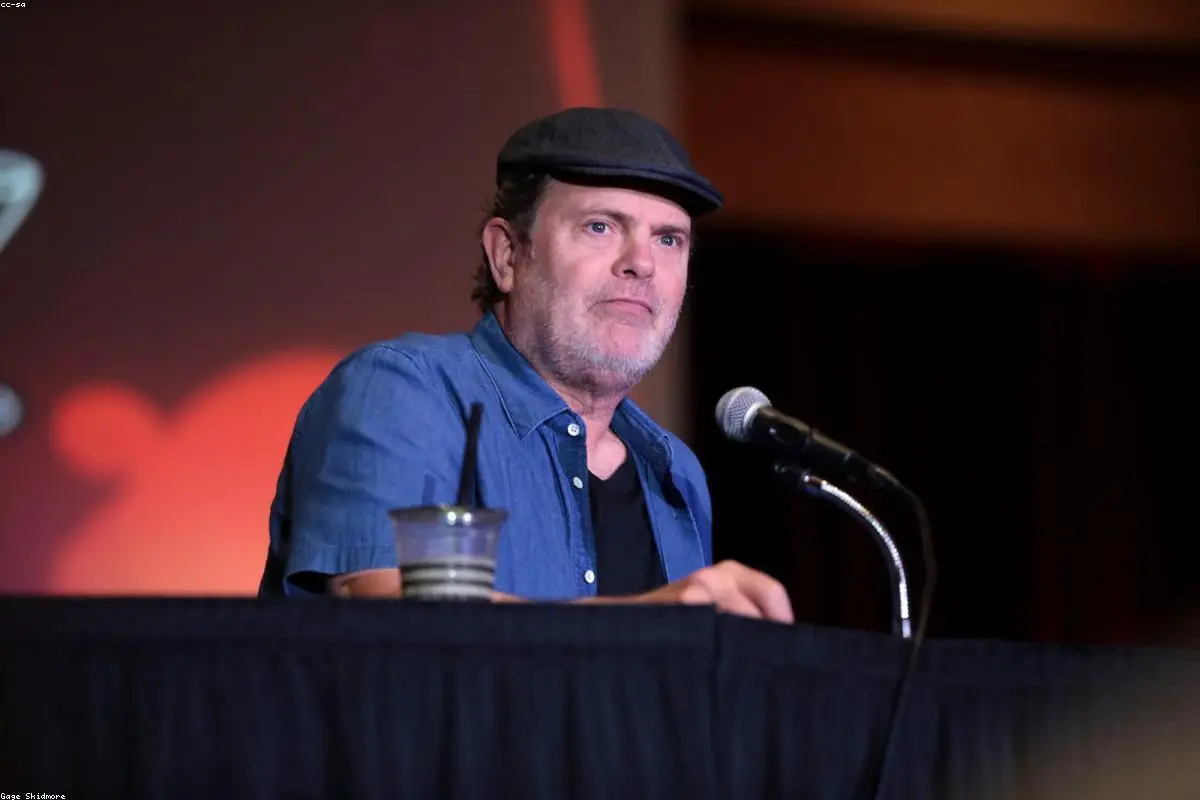
It has been over a decade since the doors of Dunder Mifflin Paper Company officially closed, yet the ghost of Michael Scott continues to haunt the hallways of pop culture. Whether it’s through endless loops on streaming platforms or the persistent memes that dominate social media, The Office remains a juggernaut. However, according to Rainn Wilson—the man who gave us the indomitable Dwight Schrute—the show’s specific brand of cringe-worthy humor might have a difficult time finding a home in the current media landscape.
In a recent interview with Variety, Wilson reflected on the legacy of the show, suggesting that the pilot and several key episodes would likely be deemed too "inappropriate" to be greenlit today. It is a sentiment we have heard before from various comedy veterans, but it feels particularly pointed coming from a core member of one of the most successful sitcoms in history.
The 'Canceled' Comedy Trope
Wilson’s argument centers on the idea that the workplace dynamics and the frequent boundary-crossing of Michael Scott would trigger a swift backlash from modern HR departments—and modern audiences. "I don’t think you could make that show today," Wilson noted, pointing to the shift in cultural sensitivities. He isn't entirely wrong; looking back at episodes like 'Diversity Day' or 'Gay Witch Hunt,' the humor relies heavily on a boss who is fundamentally out of touch with social progress. The joke was always on Michael for his ignorance, but Wilson suggests that in today’s environment, the nuance of satire often gets lost in the immediate reaction to the offensive behavior itself.
This perspective is common in the entertainment industry, where creators often feel they are walking on eggshells. However, there is a certain irony to Wilson’s claim. While he paints a picture of a world where The Office couldn't exist, the executives at NBCUniversal seem to disagree. In fact, they are betting heavily on the fact that audiences still have a massive appetite for the Scranton-style mockumentary.
The Elephant in the Room: 'The Paper'
While Rainn Wilson discusses the impossibility of the show’s existence in 2024, Peacock is busy preparing a direct successor. Titled The Paper, the new series is being helmed by original showrunner Greg Daniels and Michael Koman. The sequel isn't a reboot of the Scranton branch, but it exists within the same universe, following a documentary crew that pivots from Dunder Mifflin to a struggling historic newspaper in the Midwest.
If the tone of The Office was truly too inappropriate for today, it’s unlikely that a major streaming service would invest millions into a spin-off that shares its DNA. The announcement of The Paper, starring Domhnall Gleeson and Sabrina Impacciatore, suggests that the industry believes the mockumentary format—and its penchant for awkward, cringe-inducing realism—is far from dead. It simply requires a slightly different calibration.
Satire vs. Endorsement
The debate Wilson has reignited touches on the fundamental difference between depicting bad behavior and endorsing it. The Office was never about celebrating Michael Scott’s sexism or racism; it was about the agony of being a normal person forced to endure a manager who lacked any semblance of self-awareness. Modern hits like The Boys or Succession prove that audiences are perfectly capable of handling deeply flawed, "inappropriate" characters as long as the writing is sharp and the satirical intent is clear.
Perhaps Wilson’s comments are less about the cultural climate and more about the unique lightning-in-a-bottle chemistry of the original cast. It is easy to say a show couldn't be made today when you are protective of the legacy you helped build. By framing the show as a relic of a different time, the original stars maintain the special status of their work, ensuring it can never be truly replicated or replaced.
Looking Toward the Future of the Franchise
As we look forward to the premiere of The Paper, the industry will be watching closely to see if Greg Daniels can capture that same sense of workplace ennui without crossing the lines that Wilson is so concerned about. The challenge isn't necessarily that audiences have become too sensitive; it’s that the workplace itself has changed. With remote work, Slack, and a more heightened awareness of corporate ethics, a modern Office sequel has to navigate a very different landscape than the one Michael Scott inhabited in 2005.
Ultimately, Rainn Wilson’s comments highlight a fascinating tension in modern television. We are simultaneously nostalgic for the "wild west" of 2000s comedy and eager to see how those same storytelling tools can be applied to our current world. Whether The Paper succeeds or fails, it will serve as the ultimate litmus test for whether The Office's spirit is truly too inappropriate for the 2020s, or if it was simply waiting for its next assignment.