Exclusive Access: BBC Embedded with Colombian Forces Fighting Drug Gangs
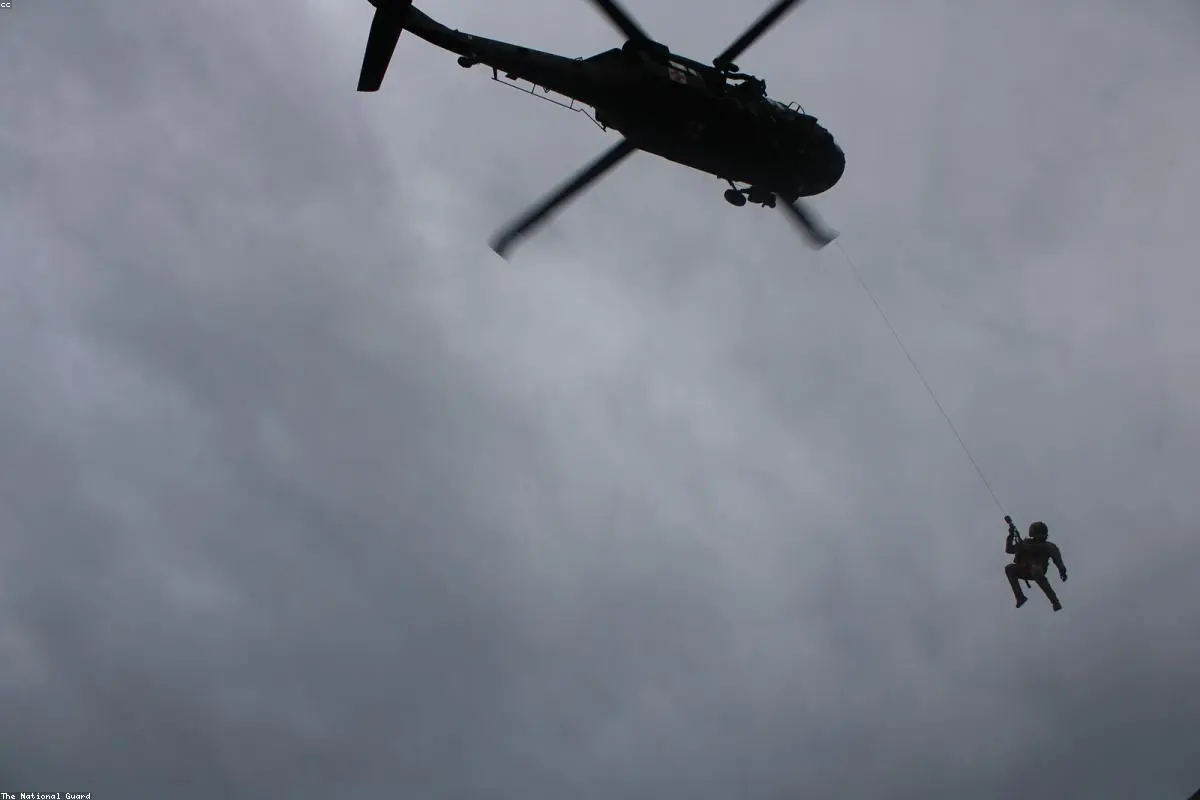
The global war on narcotics faces one of its most brutal and persistent fronts in the dense, unforgiving jungles of Colombia, where highly trained commandos engage in what many describe as a 'never-ending battle' against powerful drug cartels. A recent report by the BBC has provided rare, compelling visual evidence, embedding with these elite military units undertaking dangerous counter-narcotics operations.
This crucial coverage sheds light on the extraordinary human cost and complex operational challenges facing the Colombian Armed Forces in their decades-long struggle against organized crime syndicates that fuel the international drug trade.
The Jungle Crucible: Operational Realities
The operations depicted are far removed from conventional warfare. Colombian commandos are navigating terrain designed to conceal illegal laboratories and prevent detection. The BBC team documented patrols navigating treacherous rivers and dense foliage, often under constant threat from booby traps and ambushes set by well-armed criminal factions.
These groups, often remnants of larger cartels or sophisticated new iterations, control vast swathes of territory crucial for coca cultivation and cocaine processing. The commandos' mission is multifaceted: eradicate production sites, dismantle trafficking routes, and engage the enemy directly—a high-stakes game where intelligence and swift action are paramount for survival.
A 'Never-Ending Battle' Against Evolving Threats
What defines this conflict is its persistence. As soon as one cocaine laboratory is destroyed, another emerges kilometers away. Military personnel interviewed expressed a weary determination, characterizing their work as a continuous, Sisyphean effort. Security experts note that these cartels have become highly adaptive, utilizing encrypted communications and sophisticated logistics networks that span continents, demonstrating the international scope of the narcotics pipeline.
“Every day we secure an area, we know the infrastructure will simply reappear elsewhere,” noted one officer speaking under anonymity. “It requires constant vigilance, not just military might, but deep, continuous intelligence gathering.”
Technology and International Cooperation
The fight against these powerful organizations necessitates advanced technology and robust international cooperation. Modern counter-narcotics efforts increasingly rely on aerial surveillance, drone technology, and joint operations involving intelligence agencies from partner nations. The effectiveness of these deep jungle incursions often hinges on the timely sharing of sensitive data regarding production volumes and leader movements.
The article underscores that while military pressure remains essential, long-term success in dismantling the drug trade requires addressing underlying socio-economic factors in rural communities that often rely on coca farming for survival. Until those root causes are addressed, the security forces face an unending commitment.
Conclusion: Reporting on Global Security Frontlines
The BBC’s reporting offers a vital window into a critical global security issue. By embedding with these highly specialized Colombian units, viewers gain a profound appreciation for the daily sacrifice made on the frontlines of the anti-drug campaign. The conflict against these entrenched criminal networks remains a significant challenge for regional stability and a continuing concern for global security planners worldwide.