A Brief Sigh of Relief at the Pump
For months, the American consumer has felt like they were running a race where the finish line kept moving. However, the latest data suggests the pace might finally be slowing. The US inflation rate eased to 3.5% in the most recent tracking period, a shift primarily driven by a cooling in energy markets and, most notably, a dip in gasoline prices. For the average commuter, this isn't just a decimal point on a government spreadsheet; it is the difference between an extra twenty dollars in the pocket at the end of the week or another sacrifice at the grocery store.
While a 3.5% inflation rate is still a far cry from the Federal Reserve’s ultimate 2% target, it represents a meaningful step away from the volatile peaks seen over the last two years. This cooling trend provides a bit of psychological relief to a public that has grown weary of 'sticker shock' becoming the new normal. However, economists warn that looking at the headline number alone can be deceptive. When you peel back the layers of the Consumer Price Index (CPI), a more complex tug-of-war between different sectors of the economy becomes visible.
The Gasoline Factor and Energy Volatility
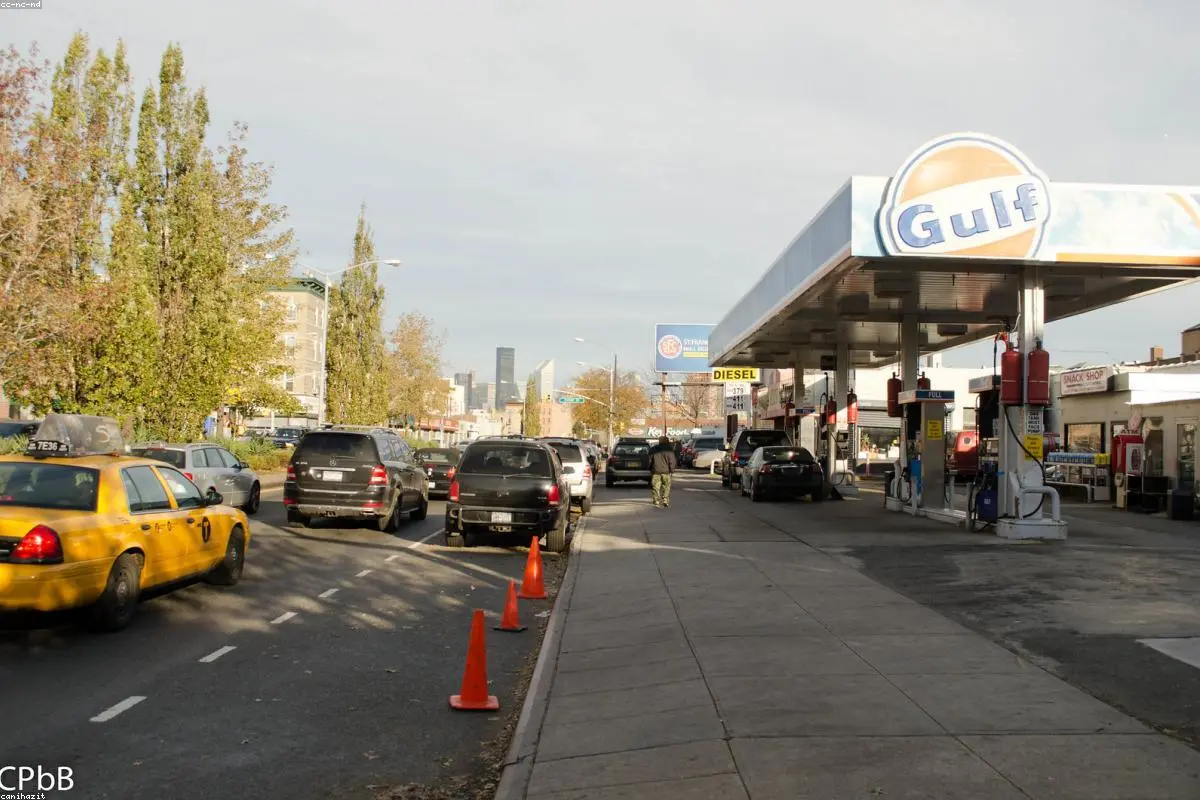
Energy prices have always been the wild card in the inflation game. Because oil is a global commodity influenced by everything from geopolitical tensions in the Middle East to production decisions in Riyadh, it can swing the needle of the US economy violently. Recently, a slight surplus in supply and a softening of global demand have allowed prices at the pump to retreat from their seasonal highs. This downward pressure on energy was the primary engine behind the drop to 3.5%.
But relying on gas prices to curb inflation is a bit like relying on the weather to stay pleasant for a picnic—it can change without warning. If tensions flare in oil-producing regions or if summer travel demand spikes more than anticipated, those gains could evaporate overnight. This inherent instability is why policymakers often prefer to look at 'core inflation,' which strips out the volatile food and energy sectors to see the underlying heartbeat of the economy.
The 'Sticky' Problem: Housing and Services
If you move away from the gas station and into the broader business landscape, the picture becomes a little more stubborn. While the cost of 'stuff'—like used cars and electronics—has largely leveled off or even fallen, the cost of 'living' remains high. Shelter costs, which include rent and the equivalent cost for homeowners, continue to be the largest contributor to the inflation that remains.
Unlike a gallon of gas, which changes price daily, rents are typically locked in for a year or more. This creates a 'lag' effect where high interest rates and housing shortages keep prices elevated long after other sectors have cooled. Additionally, the service industry—ranging from car insurance and medical care to haircuts and restaurant meals—is seeing sustained price hikes. These are often driven by rising wages, as businesses pass on the cost of attracting and retaining staff to the consumer.
The Federal Reserve’s High-Stakes Balancing Act
This latest report puts Federal Reserve Chair Jerome Powell in a delicate position. For over a year, the Fed has maintained high interest rates in a deliberate attempt to cool the economy. The goal is a 'soft landing': bringing inflation down without triggering a massive wave of unemployment or a full-scale recession. The dip to 3.5% is a sign that the medicine is working, but it may not be strong enough yet to justify a change in prescription.
Investors and market analysts are closely watching for any hint of an interest rate cut. Lower rates would be a boon for the housing market and business investment, but if the Fed cuts too soon, they risk a secondary flare-up of inflation. According to recent reporting by the BBC, the central bank remains cautious, waiting for more definitive evidence that the downward trend is sustainable rather than a temporary blip caused by fluctuating fuel costs.
What This Means for Your Wallet
So, what should the average person take away from a 3.5% inflation rate? First, the era of rapid, double-digit price hikes for basic goods appears to be in the rearview mirror. We are seeing a return to a more predictable, albeit still expensive, economic environment. However, the cost of borrowing—whether for a mortgage, a car loan, or credit card debt—is likely to remain high for the foreseeable future as the Fed keeps its foot on the brake.
- Gasoline: Expect continued fluctuations, but the current trend offers short-term relief.
- Grocery Bills: Prices are stabilizing, but 'deflation' (prices actually going down) is rare; they are simply rising more slowly.
- Interest Rates: High rates are here to stay until inflation gets significantly closer to that elusive 2% mark.
As we move into the second half of the year, the focus will shift from the price of gas to the health of the labor market. As long as employment remains strong, the US economy can likely weather these 'sticky' prices. But the path to true price stability is rarely a straight line, and as any driver knows, there are always plenty of bumps in the road ahead.