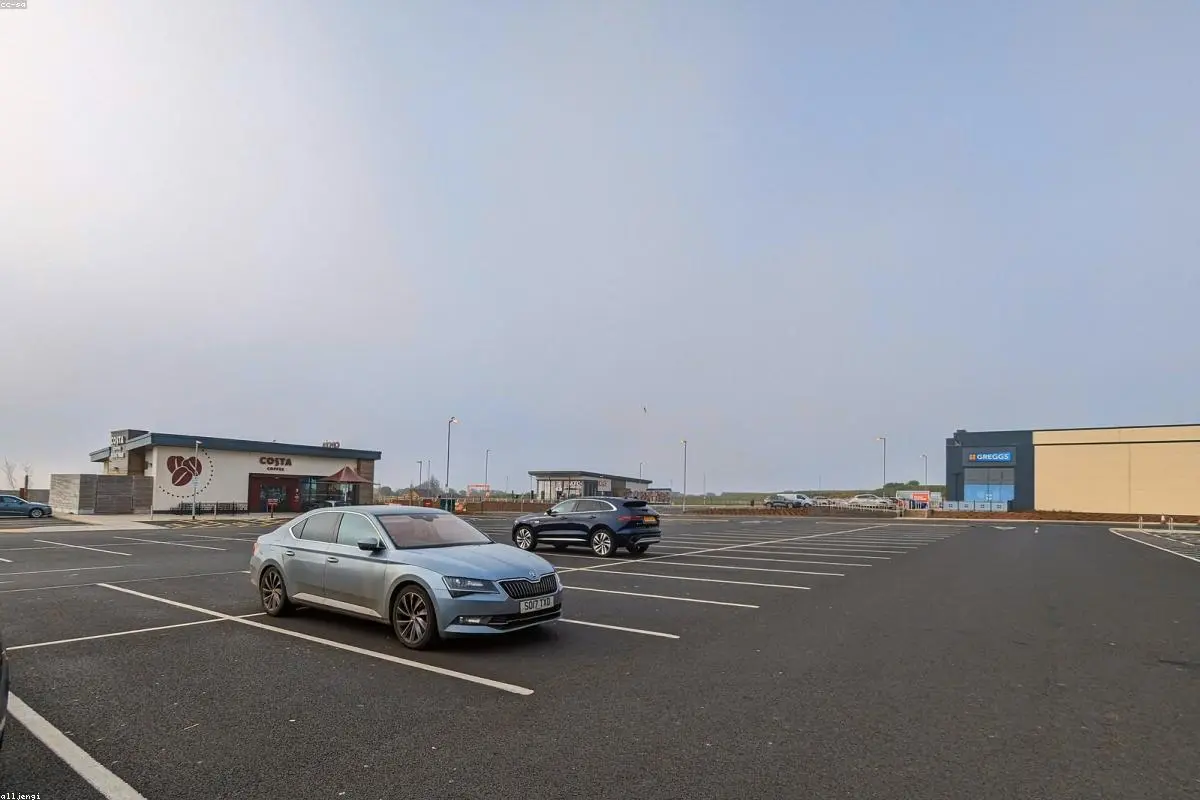
A Changing Strategy for the High Street Staple
For decades, the sight of golden, steaming sausage rolls sitting behind glass cabinets has been the hallmark of a Greggs visit. It is a model built on efficiency and ease: walk in, grab your pastry, and head to the counter. However, in a growing number of UK locations, those iconic self-service units are being dismantled.
Greggs has confirmed that it is removing hot food cabinets from selected shops identified as 'high-risk' for theft. This shift is a direct response to an escalating trend of retail crime that is forcing businesses across the country to rethink their physical store layouts. While the bakery chain has remained relatively quiet on the granular details, the move highlights a broader struggle currently facing the Business sector.
The Cost of Retail Crime
This decision, first reported by the BBC, serves as a stark indicator of how rampant shoplifting has become. Industry reports have shown that retail theft is no longer just a minor annoyance for store managers; it has ballooned into a multi-billion-pound drain on corporate revenue. When high-value items or easy-to-grab hot food are left in open-access cabinets, they become immediate targets for opportunistic thieves.
By removing these cabinets, Greggs is essentially pulling back from the 'self-serve' experience in vulnerable areas, forcing customers to interact directly with staff to receive their orders. While this might add a few seconds to a customer's morning commute, it creates a crucial security barrier that prevents stock from simply walking out the door.
Why Now? The Pressure on Operations
The decision isn’t just about the lost cost of a few pastries. It is about the safety of employees and the overall operational integrity of the stores. The rise in aggressive behavior associated with shoplifting incidents has left staff feeling increasingly exposed. By relocating the food to secure areas behind the counter, the company is prioritizing staff welfare over the convenience of a grab-and-go model.
Several factors have likely contributed to this operational pivot:
- Increased Prevalence: Retailers are reporting record-high levels of theft, necessitating 'defensive design' in shop layouts.
- Resource Allocation: Policing these cabinets requires constant vigilance, which takes staff away from other essential tasks.
- Insurance and Shrinkage: High rates of stock loss, known in the industry as 'shrinkage', force companies to accept lower profit margins if they don't intervene.
Balancing Profitability and Customer Experience
At its core, retail is a balancing act between accessibility and security. Greggs has long thrived by being the accessible choice for hungry commuters, but a model that relies on openness is inherently vulnerable to theft. Moving toward a more controlled counter-service system in high-risk areas is a calculated business decision. It sacrifices a degree of speed to ensure the long-term viability of those specific branches.
Other major retailers are watching this shift closely. From supermarkets installing 'gated' exits to fashion retailers locking up high-end goods, the trend toward a more 'fortified' retail environment is accelerating. The question remains whether this move will prove effective in the long run or if it will simply displace the problem to other stores or other product lines.
The Future of the High Street
Ultimately, this change at Greggs is a microcosm of the current state of UK retail. Businesses are being forced to adapt to a hostile environment where the social contract of shopping—paying for goods and walking out—is being frequently ignored. As chains continue to integrate more technology and physical security, the 'friendly local bakery' experience may become a memory in certain urban centers.
For the average customer, the change might be minor. But for the business owners and the employees on the front lines, it represents a necessary retreat from an open-plan model that the current climate of retail crime no longer supports.


