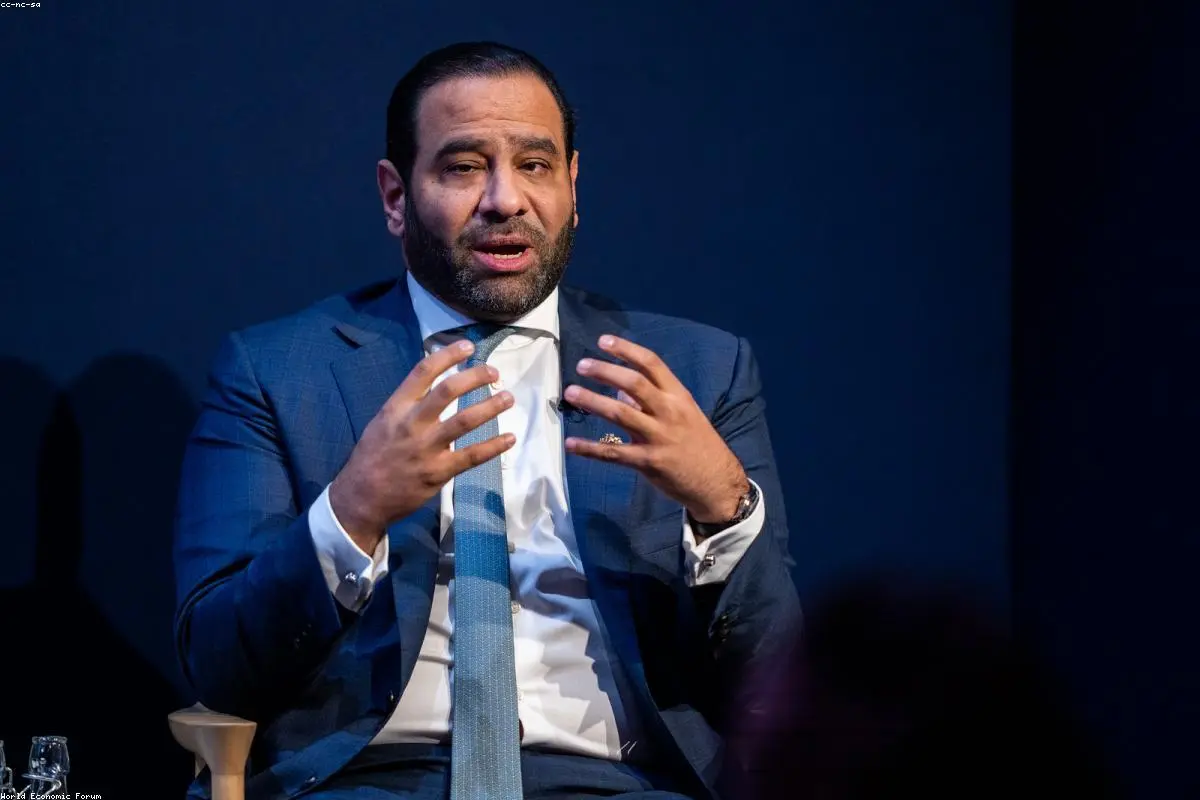
Google AI Chief Sounds Alarm: Urgent Research Needed to Safeguard Our AI Future
The exhilarating pace of artificial intelligence development, while promising immense benefits, carries a significant undercurrent of risk. This sentiment was recently underscored by Demis Hassabis, the head of Google DeepMind, who issued a compelling call for urgent, dedicated research to understand and mitigate the potential threats posed by these powerful systems. His warning arrives at a pivotal moment, as AI capabilities continue to expand at an astonishing rate, prompting both excitement and a growing sense of caution across the globe.
Hassabis, a pioneer in the field known for his work in creating AI that can master complex games and tackle scientific challenges, emphasized that simply building more advanced AI isn't enough. We must equally prioritize the diligent study of its unintended consequences, its vulnerabilities, and its long-term societal impacts. This isn't merely about tweaking algorithms; it’s about a comprehensive, interdisciplinary effort to ensure that the AI revolution serves humanity, rather than endangering it.
Unpacking the AI Threat Landscape
When an AI leader speaks of 'threats,' the implications stretch far beyond the realm of science fiction. The concerns are concrete and multifaceted, ranging from the insidious spread of misinformation and disinformation orchestrated by sophisticated AI models to the amplification of existing societal biases embedded within training data. Such issues can erode trust, polarize communities, and even undermine democratic processes.
Beyond these immediate social challenges, there are deeper, more complex questions surrounding the safety and control of highly autonomous systems. As artificial intelligence takes on increasingly critical roles in infrastructure, finance, and even national security, ensuring these systems behave exactly as intended, without unforeseen emergent behaviors or vulnerabilities, becomes paramount. Hassabis's call highlights a recognition that the mechanisms for understanding, predicting, and controlling such advanced AI are currently lagging behind their rapid development.
Why the Urgency? Learning from History
The plea for urgent research isn't a hyperbolic alarm but a pragmatic response to an accelerating technological frontier. Unlike previous technological revolutions, AI's potential for self-improvement and rapid dissemination means that issues, if not addressed proactively, could scale and compound far more quickly. Think of it as building a super-fast car without adequately testing its brakes or understanding its handling limits – the consequences could be severe if not thoroughly understood beforehand.
Historically, humanity has often found itself playing catch-up with the negative externalities of innovation. From the environmental damage wrought by industrialization to the ethical dilemmas posed by certain biological advancements, a reactive approach has frequently led to significant societal costs. Hassabis's message is a clear appeal to break this pattern with AI, urging us to invest in foresight and preventative measures rather than waiting for crises to unfold. This proactive stance is critical for responsible technological stewardship.
The Research Agenda: Beyond Code and Algorithms
So, what kind of research is needed? It extends far beyond the typical scope of computer science and machine learning. A truly robust AI safety agenda requires a convergence of disciplines:
- Technical Safety & Alignment: Developing methods to ensure AI systems operate within defined bounds, understand human values, and remain controllable even as they become more autonomous and capable.
- Ethical AI Frameworks: Crafting robust ethical guidelines, auditing tools, and accountability mechanisms to detect and mitigate bias, ensure fairness, and protect privacy.
- Societal Impact Studies: Comprehensive research into AI's effects on labor markets, social structures, mental health, and global stability.
- Policy & Governance: Developing regulatory frameworks, international cooperation treaties, and legal structures capable of adapting to rapidly evolving AI capabilities.
- Interpretability & Explainability: Creating AI systems that can clearly articulate their reasoning and decisions, fostering trust and enabling human oversight.
This holistic approach requires significant funding, global collaboration, and a commitment from governments, academia, and the private sector to share knowledge and resources. It also highlights the growing importance of disciplines like philosophy, sociology, and law in shaping our digital future, emphasizing that technology is deeply intertwined with human values and societal structures. For more insights into the broader impact of innovation, consider exploring our Technology category.
A Shared Responsibility for a Smarter Future
Demis Hassabis's warning serves as a powerful reminder that the responsibility for shaping a safe and beneficial AI future rests with all of us. While the allure of unprecedented technological advancement is strong, it must be tempered with rigorous inquiry, thoughtful deliberation, and a collective commitment to mitigating risks. The time to invest heavily in understanding AI's potential downsides is not tomorrow, but today, ensuring that this transformative technology becomes a tool for progress rather than a source of peril.