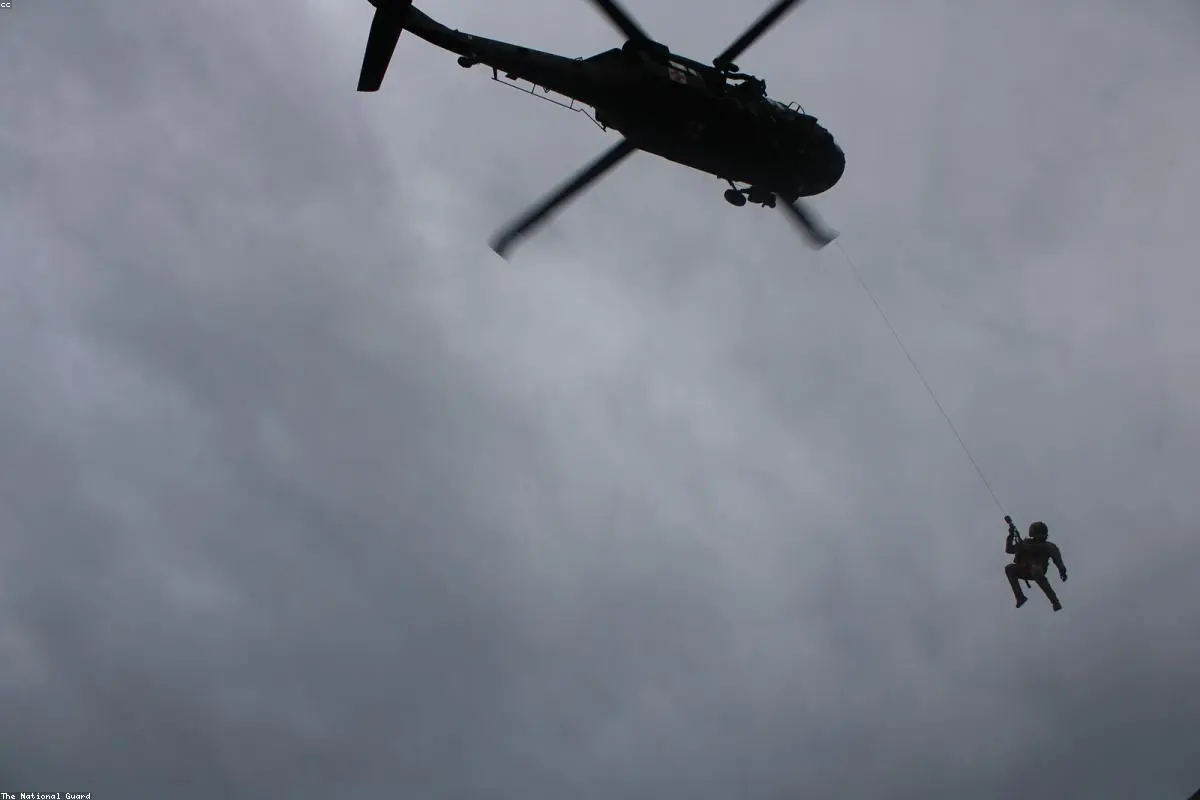
Germany Restricts Military Deployments for Younger Men
In a surprising development, Germany has temporarily halted approvals for extended international deployments for male soldiers under the age of 45. The move, first reported by the BBC (source), is a direct response to growing concerns about personnel shortages within the Bundeswehr, Germany’s armed forces. While short-term assignments and training exercises are unaffected, longer postings abroad – those lasting several months or more – are now subject to a significant restriction.
Addressing a Critical Staffing Shortfall
The core issue driving this decision appears to be a dwindling pool of available personnel. Germany, like many Western nations, has faced difficulties in attracting and retaining military recruits in recent years. This is compounded by an aging military population, with a significant number of experienced soldiers nearing retirement. The suspension of long-term deployments for younger men is, according to reports, an attempt to ensure sufficient staffing levels for essential domestic tasks and potential crises closer to home.
This isn’t simply about numbers, however. The Bundeswehr is undergoing a significant modernization effort, spurred by Russia’s invasion of Ukraine and a renewed focus on collective defense within NATO. This modernization requires skilled personnel to operate and maintain new equipment, and to develop new capabilities. Diverting experienced soldiers on lengthy international assignments weakens the ability to achieve these goals.
Impact on International Commitments
The immediate impact of this policy shift is uncertain, but it undoubtedly raises questions about Germany’s ability to fulfill its international obligations. Germany currently participates in a range of multinational missions, including NATO operations, peacekeeping efforts, and training programs. While officials have stressed that the suspension is temporary and doesn’t signal a withdrawal from these commitments, it does suggest a recalibration of priorities.
Some analysts suggest the move could lead to a greater reliance on reserve forces or a reassessment of the scope of Germany’s international involvement. It’s also likely to fuel debate about the need for increased defense spending and more aggressive recruitment strategies. The German government has already pledged to increase its defense budget to 2% of GDP, a commitment made in response to the security situation in Europe, but the effectiveness of this spending will depend on its ability to attract and retain qualified personnel.
Broader Implications for European Security
Germany’s situation isn’t unique. Many European countries are grappling with similar challenges in their armed forces. Declining birth rates, competing career opportunities, and a lack of public interest in military service are all contributing to the problem. This widespread shortage of personnel has implications for the overall security architecture of Europe.
A weaker Bundeswehr, even temporarily, could strain the resources of other NATO allies and potentially undermine the alliance’s ability to respond effectively to future crises. It also highlights the importance of coordinated efforts to address the underlying causes of these staffing shortages, including improving recruitment incentives, enhancing training programs, and fostering a more positive public perception of military service. You can find more information about international affairs here.
What’s Next?
The German Ministry of Defence has indicated that the suspension will be reviewed regularly, and that the situation is being closely monitored. The length of the suspension will likely depend on the success of ongoing recruitment efforts and the evolving security landscape. For now, the decision serves as a stark reminder of the challenges facing modern militaries in the 21st century – challenges that extend far beyond simply acquiring advanced weaponry.
- Key Issue: Staffing shortages within the Bundeswehr.
- Affected Personnel: Male soldiers under 45.
- Impact: Restrictions on long-term international deployments.
- Context: Germany’s military modernization and increased defense spending.