The New Face of Luxury Flipping
It wasn’t that long ago that the idea of standing in a mile-long queue for a plastic watch would have seemed absurd. For decades, Swatch was the reliable, colorful, and—most importantly—affordable choice for those who wanted a piece of Swiss engineering without the five-figure price tag. But something fundamental has shifted in the world of horology. Today, collectors aren't just wearing these watches; they are flipping them for ten times their retail value.
The recent frenzy surrounding the latest collaborations has seen retail stores swamped by eager buyers. One enthusiast recently made headlines after admitting, "I sold it for over £1k," referring to a timepiece that originally retailed for less than a quarter of that price. According to a recent report by the BBC, this isn't an isolated incident but part of a calculated cultural phenomenon that has revitalized the brand.
The Collaboration Masterclass
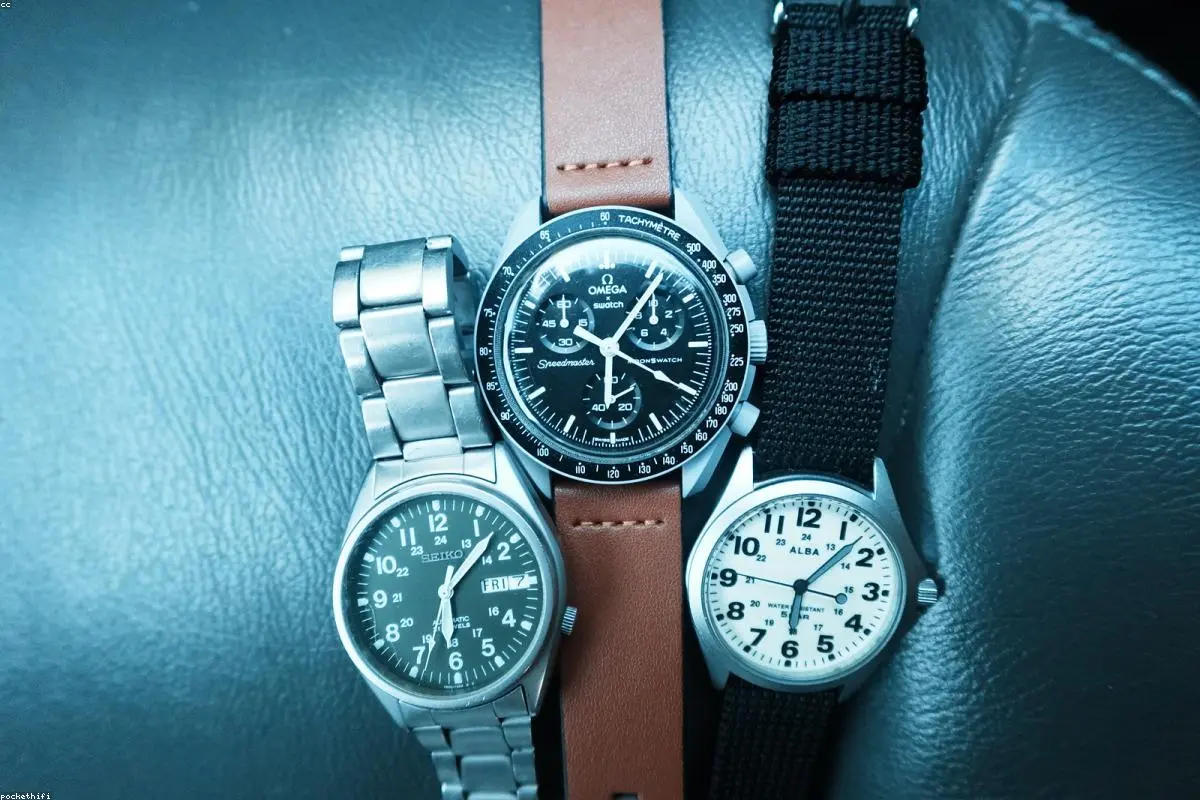
The catalyst for this madness was the 2022 release of the MoonSwatch—a collaboration between Swatch and its high-end sibling, Omega. By taking the iconic design of the Speedmaster (the first watch worn on the moon) and reimagining it in "bioceramic" for a fraction of the cost, the Swatch Group managed to bridge two polar opposite worlds. They didn't just sell a watch; they sold the aspiration of luxury to a demographic that had previously felt priced out of the market.
Following that success, the brand doubled down with partnerships featuring Blancpain and various limited-edition "Mission to the Moon" variants, including the highly sought-after Snoopy editions. Each release follows a familiar pattern: cryptic social media teasers, limited store-only availability, and a subsequent explosion on secondary market platforms like eBay and StockX. This scarcity isn't accidental; it is the engine that drives the hype.
Why the Resale Market is Booming
In the broader business landscape, the secondary market for watches has become a multi-billion dollar industry. But while the focus used to be on Rolex or Patek Philippe, the entry-level segment is now seeing unprecedented volatility. For many young entrepreneurs, these watch drops represent a low-barrier entry into the world of "flipping."
- Low Initial Investment: At roughly £220 to £350, the risk is relatively low compared to traditional luxury assets.
- High Demand: Limited regional availability means buyers in cities without a Swatch boutique are willing to pay a premium.
- The 'Halo' Effect: Association with brands like Omega gives the plastic cases a sense of prestige.
The psychology behind this behavior is fascinating. It’s no longer just about telling time; it’s about participating in a moment. When a buyer manages to snag a watch on launch day, they aren't just buying a piece of hardware—they are securing a trophy. For those who choose to sell, that trophy translates into a significant profit margin that few other retail products can offer.
A Shift in Consumer Behavior
This trend tells us a great deal about how the modern consumer views value. In the past, a watch's worth was tied to its materials—gold, steel, or complex mechanical movements. Today, the value is increasingly tied to brand narrative and social currency. A bioceramic watch is essentially a high-grade plastic, yet because it carries the 'Speedmaster' DNA, it becomes a must-have item.
Furthermore, the strategy of keeping these watches away from online sales (at least initially) has been a stroke of genius. In an era where everything can be bought with a single click, the physical act of queuing creates a spectacle. This spectacle generates free marketing through TikToks, Reels, and news coverage, further inflating the perceived value of the product before it even hits the second-hand market.
Is the Hype Sustainable?
Skeptics often wonder if this is a bubble waiting to burst. Eventually, as more units are produced and the novelty wears thin, resale prices usually stabilize. However, the Swatch Group doesn't seem particularly worried about the flippers. Even if the secondary market cools, the brand has achieved its primary goal: making Swatch relevant to a new generation of buyers.
By democratizing the look of a luxury icon, they have created a gateway drug for the watch industry. A teenager who buys a MoonSwatch today is far more likely to save up for a 'real' Omega Seamaster ten years down the line. It is a long-term play hidden behind short-term hype. The fact that some people are making a quick £800 profit in the meantime is just a side effect of a very successful marketing machine.
The Bottom Line
The story of the £1,000 Swatch is a perfect illustration of how modern branding can transcend traditional economics. It proves that with the right partnership and a clever distribution strategy, even the most humble materials can become objects of intense desire. Whether you see it as a clever investment or a triumph of style over substance, one thing is certain: the queues at Swatch stores aren't disappearing anytime soon.