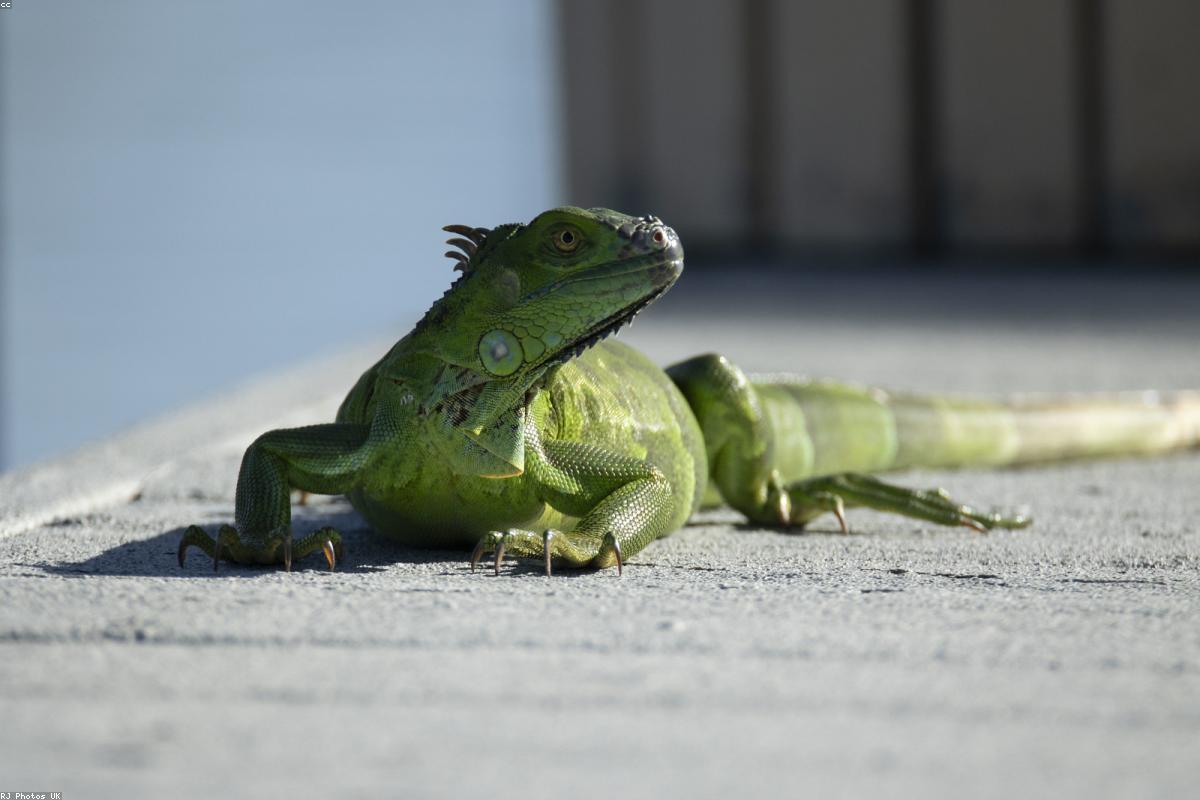
Florida Iguanas Face Freezing Plight as Temperatures Drop
Miami, FL – Residents across South Florida are witnessing a bizarre, yet increasingly common, sight: iguanas falling from trees. This isn't a sign of illness or a mass die-off, but rather a consequence of the reptiles becoming “cold stunned” due to the recent dip in temperatures. The unusual cold snap has brought temperatures low enough to significantly impact the cold-blooded creatures, causing them to become immobile and lose their grip.
What is 'Cold Stunning'?
Iguanas are ectothermic, meaning they rely on external sources to regulate their body temperature. Unlike mammals and birds, they cannot internally generate enough heat to stay warm when temperatures plummet. When the temperature drops below 50°F (10°C), iguanas begin to slow down. Below 40°F (4.4°C), they become completely immobile, appearing to be deceased. This state is known as cold stunning.
While it looks alarming, cold stunning isn’t necessarily fatal. The iguanas enter a sort of suspended animation, conserving energy until temperatures rise. Once the weather warms up, they typically regain mobility. However, they are vulnerable to predators and other dangers while in this state.
A Recurring Phenomenon & Invasive Species Concerns
This isn’t the first time Florida has experienced this phenomenon. Similar events occurred in 2018 and 2020 during periods of extreme cold. The increasing frequency highlights the challenges posed by the growing iguana population in the state. Originally from Central and South America, green iguanas are an invasive species in Florida, having established themselves in the warmer regions.
These iguanas can cause significant damage to infrastructure, landscaping, and native ecosystems. They are known to burrow, which can destabilize seawalls, sidewalks, and foundations. They also consume native plants and compete with native wildlife for resources. The Florida Fish and Wildlife Conservation Commission (FWC) actively manages the iguana population, encouraging removal on private property and conducting removal efforts in public areas.
Recent Reports and Visual Evidence
Reports of falling iguanas have been flooding social media and local news outlets. The BBC News recently featured a video showcasing the spectacle, demonstrating the extent of the cold stunning event. The video shows numerous iguanas lying motionless on the ground and hanging from trees.
What to Do If You Encounter a 'Cold Stunned' Iguana
Authorities advise against handling the iguanas, even if they appear lifeless. While they are generally docile, a stressed or warming iguana may bite or scratch. It’s best to leave them undisturbed and allow them to recover naturally. Reporting sightings to the FWC can also help track the impact of cold weather on the iguana population.
Looking Ahead: Climate Change and Invasive Species
The situation underscores the complex interplay between climate change, invasive species, and local ecosystems. While cold snaps are becoming less frequent overall, their impact on cold-blooded species like iguanas can be severe. Managing invasive species in a changing climate requires ongoing monitoring, research, and adaptive management strategies. The future of Florida’s iguana population, and its impact on the state’s environment, remains a significant concern for conservationists and wildlife officials.