The Roar of Silence
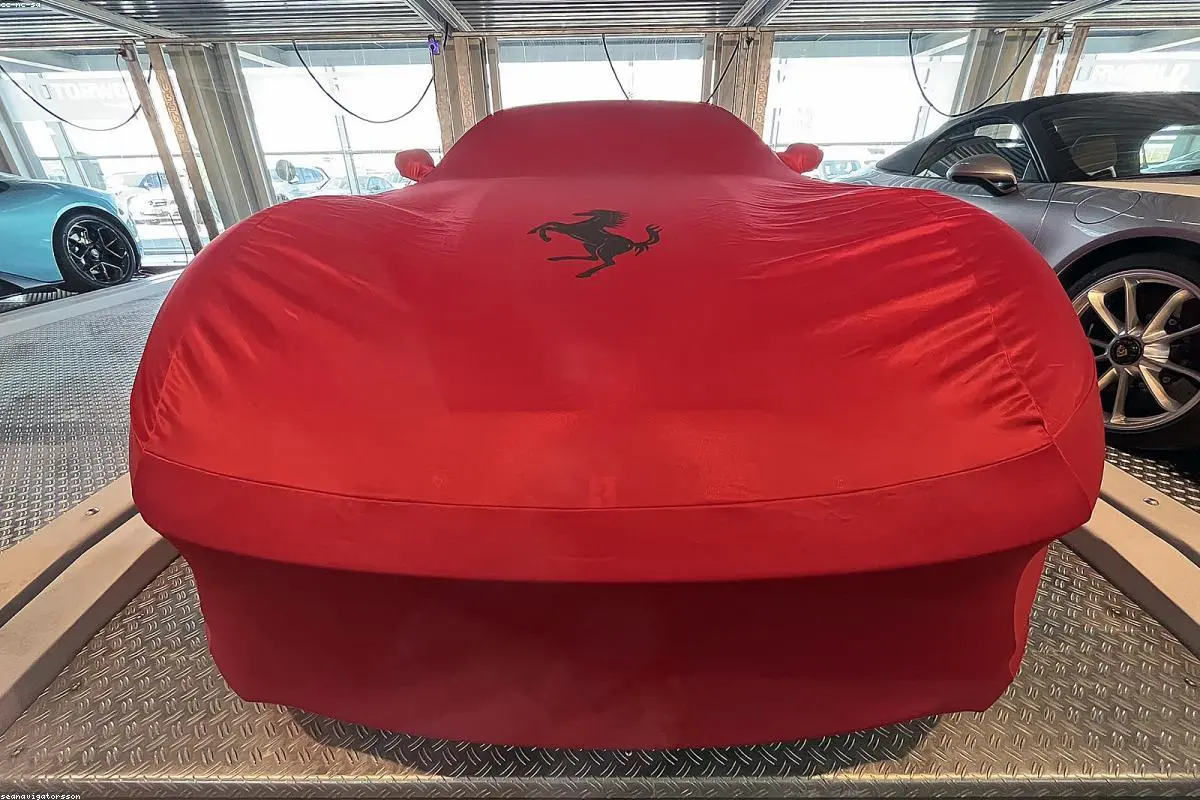
For decades, the sound of a Ferrari was its calling card—a mechanical symphony of high-revving V12s that signaled prestige and power from miles away. But the automotive landscape is shifting at a pace that even Maranello’s finest engineers are struggling to outrun. As Chinese manufacturers like BYD and Xiaomi rapidly redefine the high-performance electric vehicle (EV) sector, Ferrari attempted to strike back with a project known as the 'Luce.' It was intended to be a beacon of Italian innovation, but instead, it became a lightning rod for controversy.
The Luce wasn't just another car; it was a strategic pivot. Faced with the reality that Chinese EV tech is often three to five years ahead in terms of battery integration and software-defined interfaces, Ferrari knew it couldn't simply rest on its laurels. The goal was to create an electric supercar that offered the visceral emotion of a traditional Ferrari while utilizing the hyper-efficient automotive technology currently propelling the Asian market to global dominance. However, as the first details of the project leaked, the backlash from the Tifosi—the brand’s most loyal fans—was swift and unforgiving.
Tradition vs. Technology
The core of the frustration lies in a perceived loss of identity. To compete with the rapid development cycles seen in Shenzhen and Shanghai, Ferrari had to look at manufacturing processes that felt alien to its bespoke heritage. Rumors of modular platforms and heavily digitized cockpits led critics to claim that the Luce was less of a thoroughbred and more of a 'glorified smartphone on wheels.' This sentiment reflects a broader anxiety in the luxury sector: can a brand built on mechanical purity survive in a world of algorithms and solid-state batteries?
Industry analysts noted that the pressure was mounting. As reported by BBC News, the global race for EV supremacy has forced even the most conservative heritage brands to reconsider their blueprints. For Ferrari, the Luce was supposed to be the answer to the ultra-quick, tech-laden Chinese hypercars that are currently undercuting European prices. Instead, the project highlighted a growing rift between the need for modern competitiveness and the demand for traditional craftsmanship.
The Chinese Shadow
It is impossible to discuss the Luce without acknowledging the sheer scale of the challenge from the East. Brands like Yangwang (BYD’s luxury arm) have already showcased vehicles capable of 0-60 mph times that rival Formula 1 cars, often at a fraction of the price of a Ferrari. These companies aren't just selling speed; they are selling a digital ecosystem. To compete, Ferrari's Luce project reportedly experimented with:
- Advanced haptic feedback systems to simulate gear shifts.
- Active aerodynamics driven by real-time AI processing.
- Innovative sound-generation tech designed to replace the V12’s acoustic footprint.
While these features are triumphs of engineering, they felt like 'heresy' to purists who argue that a Ferrari should be felt through the steering column, not through a simulated software loop.
The Backlash and the Pivot
The backlash wasn't limited to angry forum posts. Early feedback sessions with VIP clients suggested that the very people Ferrari relies on to buy these million-dollar machines were hesitant. They didn't want a Ferrari that felt like a high-end tech gadget; they wanted a piece of art that happened to go fast. This pushback has forced Maranello into a delicate balancing act. Reports suggest the Luce project has been sent back to the drawing board to find a 'middle path'—one that embraces electric propulsion without sacrificing the 'soul' that makes a Ferrari a Ferrari.
This struggle isn't unique to Italy. From Zuffenhausen to Gaydon, luxury automakers are realizing that the transition to electric is not just a hardware swap—it’s a cultural revolution. The challenge is that Chinese competitors aren't burdened by a century of heritage. They can iterate, fail, and innovate without the weight of expectations. Ferrari, conversely, is a prisoner of its own perfection.
Finding the New Luce
Where does the Prancing Horse go from here? The Luce may still see the light of day, but it will likely be far more conservative than the tech-heavy disruptor originally envisioned. The company is now focusing on proprietary 'e-building' facilities where they can control every aspect of the electric powertrain, ensuring that the driving dynamics remain distinct from the mass-produced alternatives coming out of China.
Ultimately, the story of the Luce is a cautionary tale about the limits of modernization. Technology can provide speed, efficiency, and intelligence, but it cannot easily replicate the emotional resonance of a legacy brand. As Ferrari navigates this new era, the world is watching to see if they can catch the 'light' of the future without being blinded by it.