A New Chapter for Religious Expression in Schools
For decades, the boundary between personal faith and public duty in American classrooms has been governed by a relatively strict, if often contested, set of rules. However, the landscape of public education is shifting once again. The Trump administration recently issued updated guidance asserting that teachers and school staff have the right to pray with students, provided certain conditions are met. This move marks a significant departure from previous federal stances that prioritized a more rigid separation of church and state.
The announcement isn't just a policy tweak; it’s a reflection of a broader judicial trend that has gained momentum over the last few years. By re-evaluating how the First Amendment applies to school employees, the administration is leaning into a legal philosophy that emphasizes the 'Free Exercise' of religion over a strict interpretation of the Establishment Clause. For many educators, this represents a long-awaited recognition of their individual rights, while for others, it raises concerns about the potential for coercion and the exclusion of religious minorities.
The Judicial Backbone: From Kennedy to the Classroom
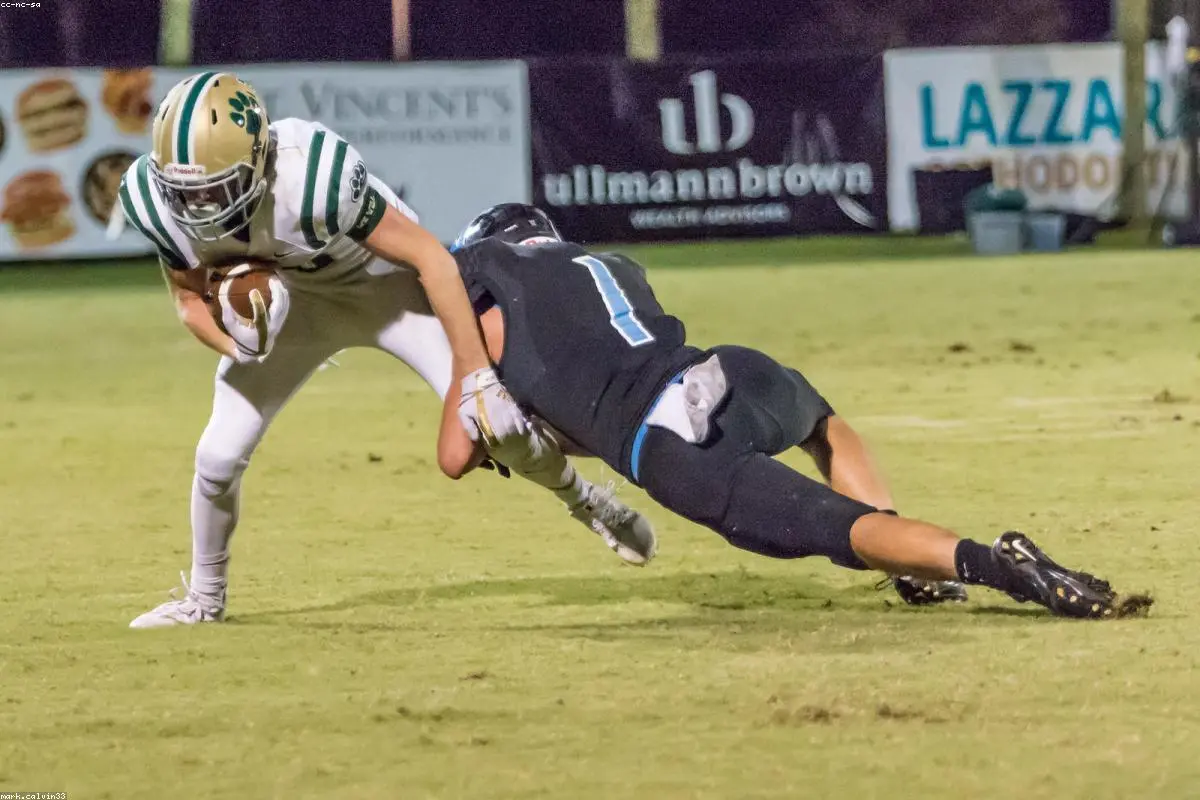
To understand why this guidance is being released now, one must look back at recent Supreme Court history. Much of the new policy draws its legal oxygen from the 2022 landmark case, Kennedy v. Bremerton School District. In that case, the Court ruled in favor of a high school football coach who sought to pray on the 50-yard line after games. The justices argued that his prayers were private expressions rather than government-sanctioned speech.
According to detailed reporting from Education Week, the administration’s new document seeks to codify that logic for a wider range of scenarios. It suggests that if a teacher is not actively engaged in instruction—perhaps during a lunch break or a non-instructional period—their religious activity should be protected, even if students choose to join them. This distinction between 'official capacity' and 'personal time' is the hinge upon which the new policy swings.
What the Guidance Actually Says
The federal update clarifies several key points for school districts that have spent years erring on the side of caution. Here are the primary takeaways from the new framework:
- Non-Coercive Participation: Teachers may engage in religious expression as long as they are not forcing or pressuring students to join.
- Equality of Access: Schools cannot target religious speech for special restrictions that don't apply to other forms of private speech.
- Neutrality, Not Hostility: The administration argues that 'neutrality' toward religion does not mean the total absence of it, but rather a refusal to discriminate against it.
While the guidance aims for clarity, the practical implementation is where things get complicated. Distinguishing between a teacher's 'private' moment and their role as a 'state actor' is a subtle art that school principals will now have to master. When a teacher bows their head at a cafeteria table and students follow suit, is that a protected private moment or an implicit endorsement of a specific faith?
Reactions from the Field
Within the broader Education community, the response has been predictably polarized. Proponents of the move argue that for too long, religious teachers have felt the need to hide a fundamental part of their identity. They see this as a restoration of civil liberties that allows educators to be their authentic selves without fear of professional reprisal.
Conversely, civil rights organizations and advocates for the separation of church and state are sounding the alarm. They argue that the power dynamic between a teacher and a student makes 'voluntary' prayer a murky concept. A student may feel social or academic pressure to join a prayer circle to stay in their teacher’s good graces, even if no explicit command is given. This 'shadow coercion,' as some critics call it, is at the heart of the legal challenges expected to follow the guidance.
The Looming Practical and Legal Challenges
As school boards across the country digest this new information, the reality of the American classroom remains incredibly diverse. In a school with dozens of different faiths represented—or no faith at all—maintaining an environment that feels welcoming to everyone is a delicate balancing act. The administration’s guidance provides a shield for religious teachers, but it doesn't necessarily provide a roadmap for navigating the social friction that may arise.
Legal experts suggest that this is far from the final word on the matter. We are likely to see a new wave of litigation aimed at defining the exact boundaries of 'coercion.' Until those cases work their way through the courts, the burden of interpretation falls on local school districts. Administrators must now draft policies that protect the rights of the faithful without infringing on the rights of those who wish to remain secular.
Ultimately, this shift represents more than just a change in school rules; it is a microcosm of the larger American debate over the place of religion in public life. As teachers navigate these new permissions, the eyes of the nation will be on the classroom, watching to see if this leads to a new era of pluralism or a new set of divisions in the halls of learning.