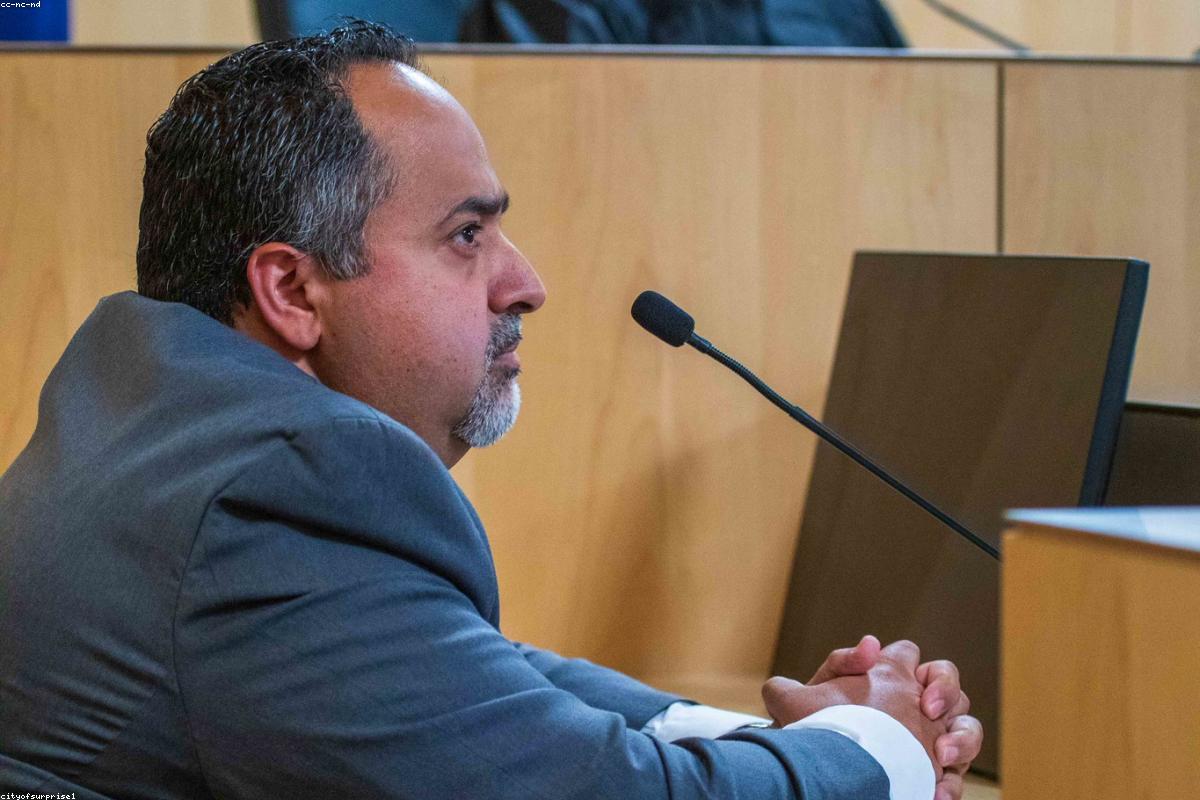
Funeral Firm Executives Face Fraud Charges in Landmark Case
A major legal battle is currently unfolding as senior executives from a leading national funeral services firm appear in court, accused of orchestrating a sophisticated fraud scheme that allegedly misused hundreds of millions of pounds intended for future funeral plans. The charges center on allegations that client funds, specifically deposits made for pre-paid funerals, were improperly diverted from protected trust accounts into general company operations and investments.
This developing story is drawing intense scrutiny not only from regulatory bodies but also from the wider business community, highlighting critical vulnerabilities in the management of sensitive client assets. If proven, the accusations represent a profound breach of trust between a service provider and its vulnerable customers.
Details of the Allegations: Misuse of Pre-Paid Funds
The prosecution contends that the executives systematically misrepresented the financial health of the company, assuring customers and regulators that their deposits were secure and ring-fenced for their eventual services. Instead, prosecutors allege that large sums were funneled out to shore up struggling aspects of the corporation's finances or were used for executive bonuses and non-related expenditures.
The alleged fraud scheme spanned several years, impacting thousands of individuals who had made provisions for their end-of-life arrangements under the promise of security. Legal experts suggest the complexity of the financial maneuvers involved indicates a high level of premeditation among the accused parties.
Industry Impact and Regulatory Scrutiny
The fallout from these charges extends far beyond the courtroom. The funeral planning industry, which relies heavily on public confidence and the integrity of trust arrangements, is experiencing a significant crisis of faith. Consumer protection agencies are now reviewing oversight mechanisms across the sector to prevent similar instances of financial misconduct.
This case serves as a stark reminder of the importance of robust internal controls and ethical leadership. For ongoing analysis of corporate governance failures, readers are encouraged to explore our latest features in the Business section.
The Legal Proceedings and Defense Arguments
The trial commenced last week, featuring extensive testimony from forensic accountants and former employees. The defense team maintains that the financial movements, while perhaps overly aggressive in terms of corporate liquidity management, did not constitute criminal fraud. They argue that the executive team acted under the mistaken belief that short-term loans from the trust funds would be swiftly repaid, minimizing client risk.
However, the prosecution is presenting evidence suggesting deliberate obfuscation and the creation of misleading financial statements designed to conceal the true extent of the missing funds. The trial is expected to last several months, with key witnesses scheduled to testify about internal board discussions regarding fund usage.
For more details on the unfolding evidence presented in court, including prosecutor statements, reference can be made to the original reporting by the BBC: https://www.bbc.com/news/articles/c2k9l4djq3ko?at_medium=RSS&at_campaign=rss.
Conclusion: A Test for Corporate Accountability
The outcome of these fraud charges will set a significant precedent for how fiduciary duties are enforced in industries managing long-term consumer assets. As the trial progresses, stakeholders across the financial and service sectors will be watching closely to see if this case results in stronger legislative measures designed to safeguard consumer prepayments and enforce higher standards of executive accountability.


