The Red Alert in Kinshasa
For decades, the Democratic Republic of Congo (DRC) has stood as the front line in the global battle against the Ebola virus. However, the latest updates from health officials have signaled a sobering shift in the conflict. The risk level associated with the current outbreak has been officially elevated to "very high," a designation that reflects not just the virulence of the disease, but the complex environment in which health workers are currently operating.
This isn't just a administrative change in terminology; it is a call to action. When health experts move the needle to 'very high,' it indicates that the risk of the virus spreading further within the country is significant, and the capacity to contain it is being tested to its limits. Recent reports, such as those detailed by the BBC, highlight that the convergence of public health needs and local instability is creating a perfect storm for the pathogen.
A Recurring Nightmare with New Challenges
The DRC is no stranger to Ebola—this represents yet another chapter in a long history of outbreaks dating back to the virus's discovery in 1976. However, the context of the modern public health landscape in Central Africa makes each recurrence unique. Unlike previous instances where the virus might have been isolated in remote forest villages, modern mobility and displaced populations mean that a single case can quickly lead to clusters in urban centers.
One of the primary drivers behind the elevated risk level is the geographical complexity of the current hotspots. Health teams are often forced to navigate dense rainforests and regions where infrastructure is almost non-existent. When you combine these physical barriers with the presence of armed groups and a general mistrust of government interventions, the task of contact tracing—the bread and butter of epidemic control—becomes an exercise in extreme diplomacy and logistics.
The Mechanics of Containment
To understand why the risk is now classified as 'very high,' we have to look at the three pillars of Ebola management: surveillance, vaccination, and community engagement. When any of these pillars are compromised, the entire structure of the response begins to wobble.
- Surveillance: Finding every person who has come into contact with an infected individual is vital. In the DRC, where people are frequently on the move due to economic necessity or conflict, this is a monumental task.
- Vaccination: While the rVSV-ZEBOV vaccine is a proven lifesaver, its effectiveness depends on reaching people quickly. The 'cold chain' requirements—keeping the vaccine at ultra-low temperatures—are notoriously difficult to maintain in tropical regions without reliable electricity.
- Community Trust: This is perhaps the most fragile component. In areas where misinformation thrives, health workers are sometimes viewed with suspicion. Overcoming this requires more than just medicine; it requires deep-seated cultural understanding and patience.
Why the Global Community is Watching
While the immediate threat is felt most acutely by the Congolese people, the international community cannot afford to look away. In an interconnected world, a 'very high' risk in one region has ripples that extend far beyond national borders. The World Health Organization (WHO) and other international partners are closely monitoring the situation to determine if the risk to neighboring countries—such as Uganda, Rwanda, and South Sudan—has also reached a tipping point.
The lessons learned from the devastating West African outbreak of 2014-2016 still haunt health planners. That crisis proved that a delay in the initial response can lead to a global emergency. By raising the risk level to 'very high' now, authorities are attempting to preempt that scenario, signaling to international donors and logistical partners that more resources—and more speed—are required immediately.
Beyond the Numbers: The Human Toll
It is easy to get lost in the statistics of transmission rates and risk assessments, but at the heart of this escalation are the families being torn apart. Ebola is a particularly cruel disease; it often strikes those who are caring for the sick, meaning mothers, fathers, and nurses are frequently the first to fall. This creates a cycle of grief and fear that can paralyze a community.
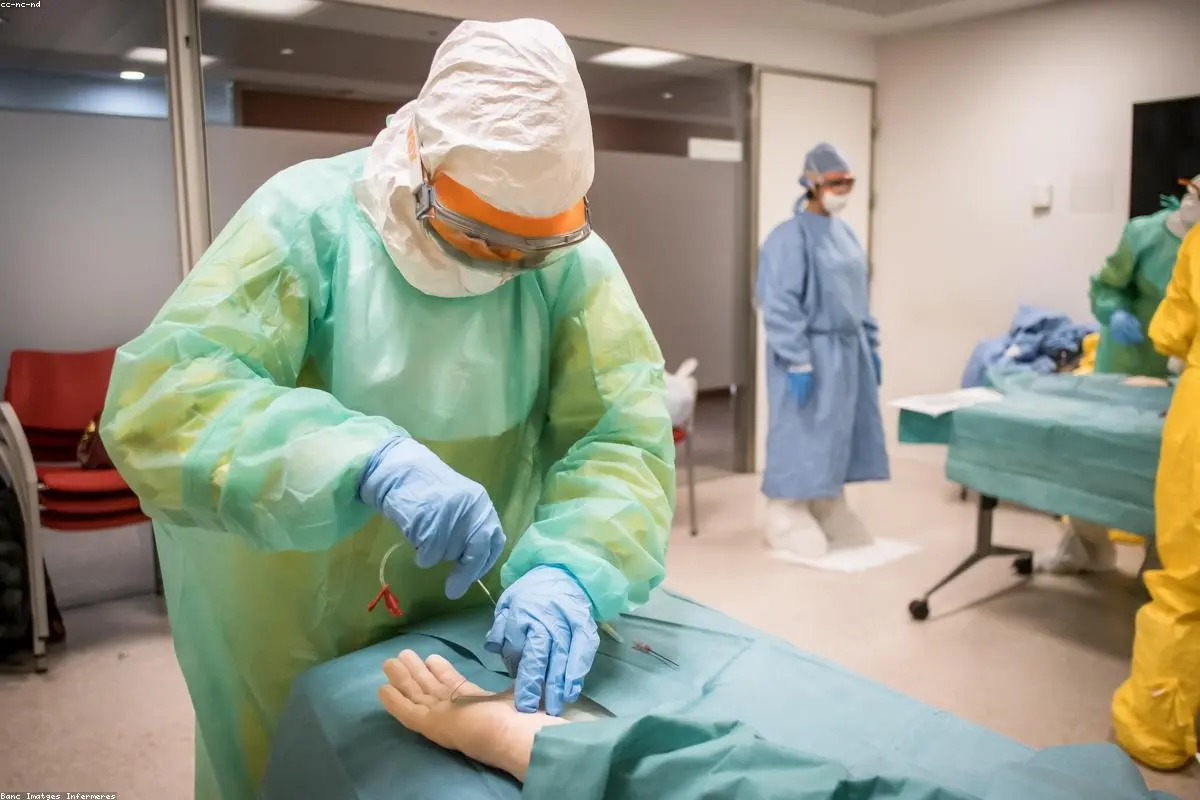
The elevation of the risk level is also a testament to the bravery of local health workers. These individuals often work under the threat of violence and with limited protective gear, yet they remain the primary barrier between the virus and the rest of the world. Strengthening the response isn't just about shipping in more supplies; it's about providing the security and support these frontline heroes need to do their jobs safely.
Looking Ahead
The coming weeks will be a litmus test for the effectiveness of current containment strategies. If the spread can be dampened through rigorous ring vaccination and improved community cooperation, the risk level may eventually be downgraded. However, if new cases continue to emerge in difficult-to-reach areas, the 'very high' status will likely persist, necessitating even more aggressive international intervention.
Ultimately, the situation in the DRC serves as a stark reminder that global health security is only as strong as its weakest link. Investing in the DRC’s health infrastructure during 'peacetime' is the only way to prevent the next 'very high' alert from becoming a global catastrophe. For now, the world remains on high alert, hoping that the tide will turn before the virus finds a more permanent foothold.