Empowering Futures: How Modern Schools Are Revolutionizing Life Skills Education
In an ever-evolving world, the demands on students extend far beyond academic excellence. Preparing young people for the complexities of adulthood requires more than just mastering subjects like math or history; it necessitates a robust foundation in practical, social, and emotional competencies. Recognizing this critical need, schools across the globe are redefining their curricula to place a greater emphasis on life skills education, ensuring students are not just knowledgeable, but also resilient, responsible, and ready for future challenges.
The Shifting Paradigm of Education
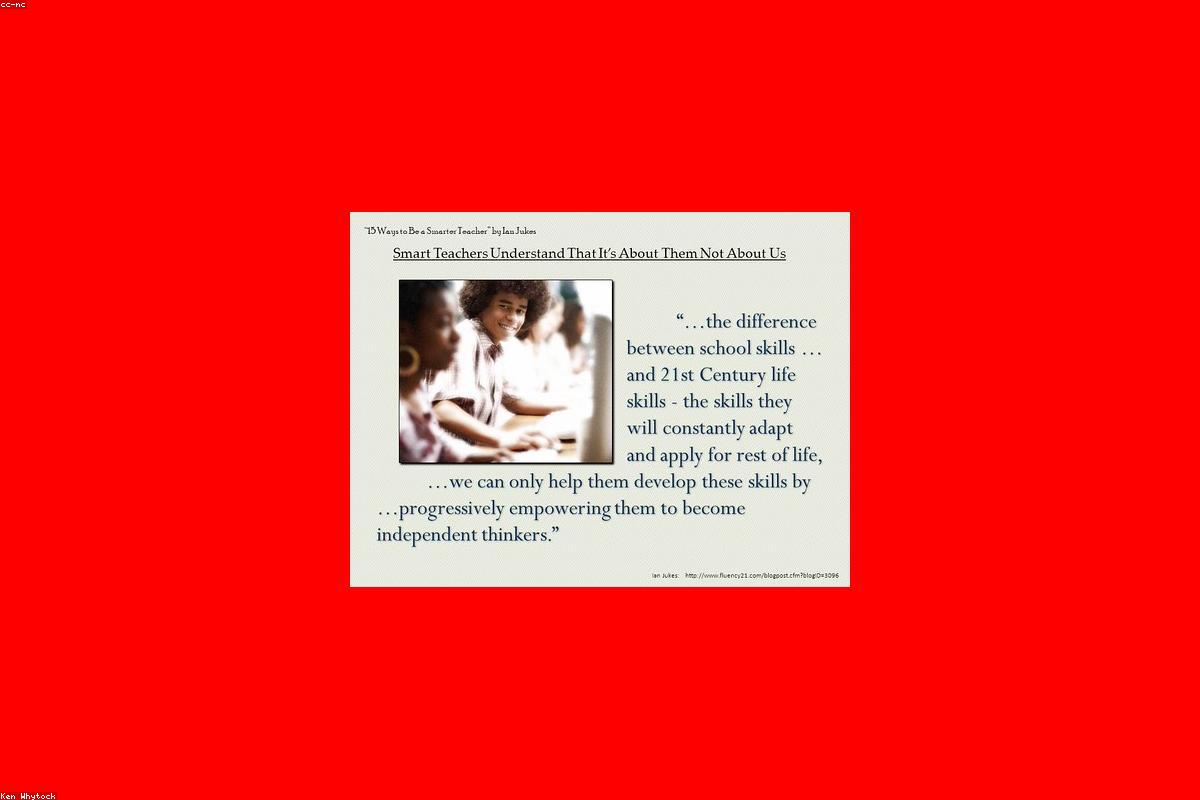
The traditional model of education, primarily focused on rote learning and standardized tests, is slowly giving way to a more holistic approach. Educators and policymakers understand that true success in the modern workforce and daily life hinges on skills like critical thinking, communication, and adaptability. This paradigm shift in modern education aims to cultivate individuals who can navigate personal finance, manage stress, collaborate effectively, and make informed decisions, all essential attributes for thriving in the 21st century. The push for a more comprehensive educational experience reflects a societal understanding that schooling must prepare students for both careers and meaningful lives.
Core Life Skills Being Taught in Schools Today
Schools are integrating a diverse array of student life skills into various aspects of their programs:
Financial Literacy
Understanding money management is paramount. Schools are now teaching Education on financial literacy for students, covering topics such as budgeting, saving, understanding credit, the basics of investing, and the responsible use of money. These lessons often involve interactive simulations and real-world scenarios to make complex concepts relatable and actionable.
Critical Thinking & Problem Solving
The ability to analyze information, identify problems, and devise creative solutions is a cornerstone of modern learning. Through project-based learning, debates, and case studies, students are developing robust critical thinking skills and enhancing their capacity for problem-solving skills, preparing them to tackle complex issues in any field.
Communication & Collaboration
Effective communication, both verbal and written, alongside the ability to work harmoniously in teams, are indispensable skills. Schools foster these through group projects, presentations, public speaking clubs, and peer-to-peer learning, teaching students how to articulate ideas clearly, listen actively, and resolve conflicts constructively.
Digital Citizenship & Media Literacy
In an increasingly digital world, students must learn to navigate online spaces safely and responsibly. Programs on digital citizenship education cover internet safety, cyberbullying prevention, digital etiquette, privacy settings, and how to critically evaluate information encountered online, fostering responsible online behavior.
Emotional Intelligence & Resilience
Social-emotional learning (SEL) programs are gaining prominence, helping students understand and manage their emotions, develop empathy, build healthy relationships, and cope with adversity. Cultivating emotional intelligence in schools helps students build resilience, manage stress, and develop a positive self-image, crucial for mental well-being and academic success.
Practical Skills & Vocational Readiness
Beyond academic theory, some schools are reintroducing practical skills that can directly impact daily life or career readiness. This can include basic home maintenance, cooking, gardening, and even foundational coding or design skills. Vocational training and career exploration programs also fall under this umbrella, providing students with exposure to various career paths and practical job-seeking skills like interview techniques.
Innovative Teaching Approaches and Integration
The integration of these skills is not always through dedicated standalone classes. Many schools are embedding them within existing subjects or through extracurricular activities. For instance, a science project might require extensive collaboration and critical thinking, while a history lesson could involve analyzing media sources for bias. Experiential learning, community service projects, and partnerships with local businesses also provide rich opportunities for students to practice and refine these essential competencies.
According to insights from educational forums, the best practices for teaching life skills often involve creating real-world contexts for learning. For example, a detailed discussion on how schools are evolving their approach can be found on resources like the K-12 Essentials Forum, as highlighted by EdWeek.
Challenges and Future Outlook
While the benefits of enhanced life skills education are clear, challenges remain. Curriculum overload, adequate teacher training, and balancing these skills with standardized academic expectations are ongoing hurdles. However, the momentum towards
Conclusion
The transformation in how schools are teaching students life skills marks a vital step forward in preparing the next generation. By moving beyond traditional academics to embrace a comprehensive array of practical, social, and emotional competencies, educational institutions are empowering students to become adaptable, well-adjusted, and successful individuals. This focus on future readiness ensures that learning extends far beyond the classroom, shaping young people capable of navigating the complexities of the world with confidence and competence.


