The Price of Pragmatism: Navigating High Energy Costs
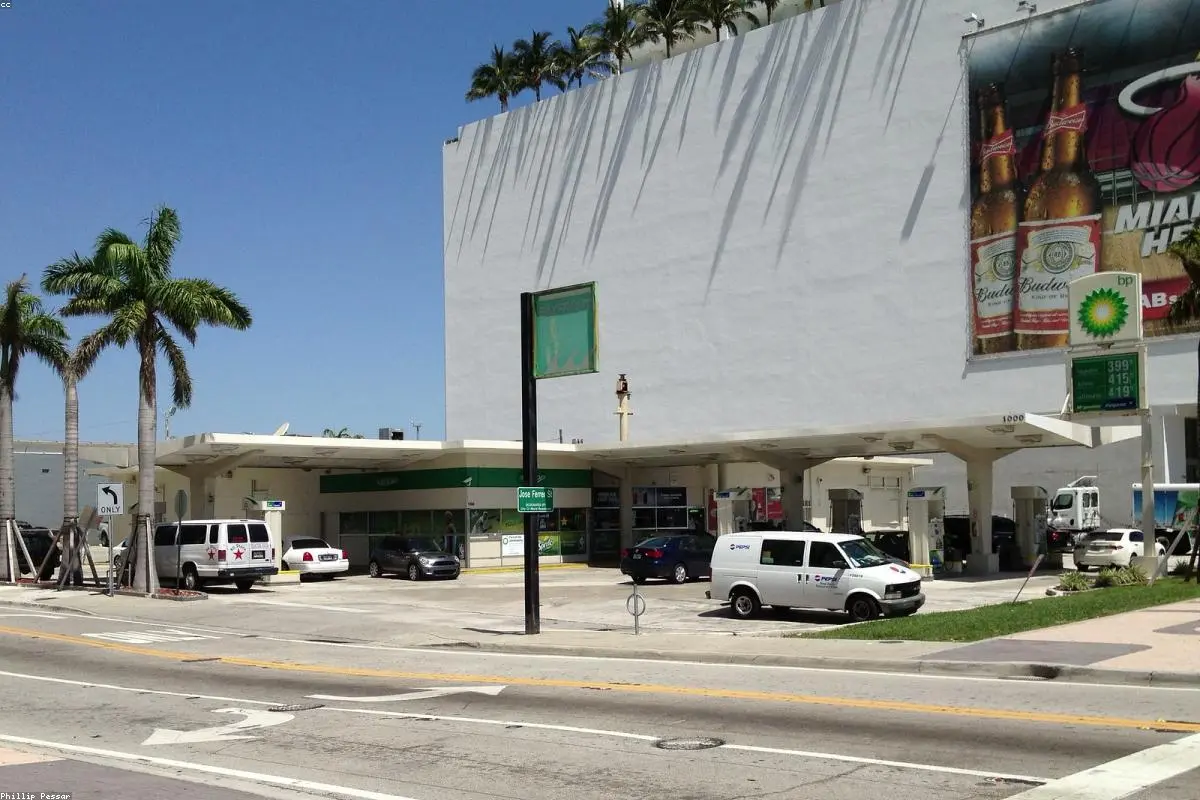
For months, American drivers have felt a distinct sense of dread every time they pulled up to a gas station. The numbers on the pump seem to climb with a relentless energy of their own, fueled by a cocktail of geopolitical instability, supply chain bottlenecks, and a post-pandemic world struggling to find its footing. In a move that signals just how concerned the White House is about these rising costs, the U.S. government has begun lifting certain sanctions on Iranian oil activities.
This isn't just a minor administrative tweak; it is a calculated gamble. By allowing specific entities to engage in the trade of Iranian petroleum products, the administration is effectively looking for ways to inject more supply into a parched global market. The decision reflects a growing realization that economic stability at home often requires making uncomfortable compromises abroad. While the official narrative often focuses on diplomatic negotiations, the underlying motivation is clearly tied to the everyday Business of keeping the economy moving.
A Strategic Shift in the Energy Landscape
According to reports recently highlighted by the BBC, this softening of sanctions is designed to facilitate the flow of energy without fully abandoning the leverage the U.S. holds over Tehran. It is a delicate dance. On one hand, Washington remains committed to preventing Iran from acquiring nuclear capabilities; on the other, the political pressure of five-dollar-a-gallon gas is a weight no administration wants to carry into an election cycle.
Industry analysts suggest that even a moderate increase in available Iranian crude could help cool off the overheated commodity markets. When supply is tight, even the rumor of new barrels can cause prices to dip as traders recalibrate their expectations. For the broader global energy market, this move serves as a much-needed safety valve, offering a glimmer of hope that the peak of inflationary pressure might be on the horizon.
The Ripple Effect on Global Trade
When the U.S. adjusts its sanctions regime, the tremors are felt across the entire global trade network. Oil isn't just a fuel; it’s a foundational commodity that dictates the cost of shipping, manufacturing, and even food production. By easing the path for Iranian oil to reach specific markets, the U.S. is indirectly supporting the logistics and transportation sectors which have been battered by high overheads.
- Reduced Shipping Costs: Lower fuel prices translate directly to cheaper freight rates for international cargo.
- Manufacturing Relief: Industries reliant on petroleum-based derivatives—from plastics to chemicals—may see a stabilization in raw material costs.
- Currency Stability: Emerging markets, often hit hardest by high energy prices and a strong dollar, may find some breathing room as oil prices soften.
However, this transition isn't without its critics. Energy analysts point out that the infrastructure required to ramp up Iranian exports has suffered from years of underinvestment. While the policy change is a significant signal, the actual physical volume of oil reaching the market might take months to materialize in a way that significantly alters the supply-demand balance.
The Geopolitical Tightrope
The decision to ease sanctions is inherently controversial. Domestic hawks argue that any revenue flowing back to Tehran could be used to fund regional proxies or further its nuclear ambitions. This puts the Biden administration in a position where it must defend its economic strategy against accusations of being "soft" on a long-time adversary. Yet, the alternative—allowing energy prices to spiral out of control—presents a different kind of risk: a domestic recession that could have global consequences.
What we are seeing is a pivot toward "energy realism." In this framework, the immediate need for market liquidity and consumer relief outweighs the long-term ideological goals of total isolation. This trend isn't unique to the U.S.-Iran relationship; we’ve seen similar pragmatic shifts in how the West engages with other energy-rich but politically complicated nations in recent years.
What Lies Ahead for the Consumer?
While this move is a step toward lowering prices, it is not a magic wand. The oil market is notoriously volatile, influenced by everything from weather patterns to OPEC+ production quotas. For the average consumer, the relief at the pump may be gradual rather than immediate. Much will depend on how quickly the energy supply chain can adapt to these new rules and whether other major producers decide to counter the U.S. move by tightening their own taps.
Ultimately, the lifting of these sanctions serves as a stark reminder of how interconnected our world has become. A policy shift in Washington, aimed at a nation thousands of miles away, is fundamentally about the cost of a commute in Ohio or the price of a grocery delivery in London. As the global economy continues to navigate these choppy waters, the intersection of diplomacy and the Business of energy will remain the most critical space to watch.
For now, the world waits to see if this diplomatic thaw will be enough to turn the tide against inflation. If gas prices continue to moderate, this move will likely be hailed as a masterstroke of pragmatic governance. If they remain high, it may be remembered as a costly concession with little to show for it.