A Life Spent Chasing the Horizon
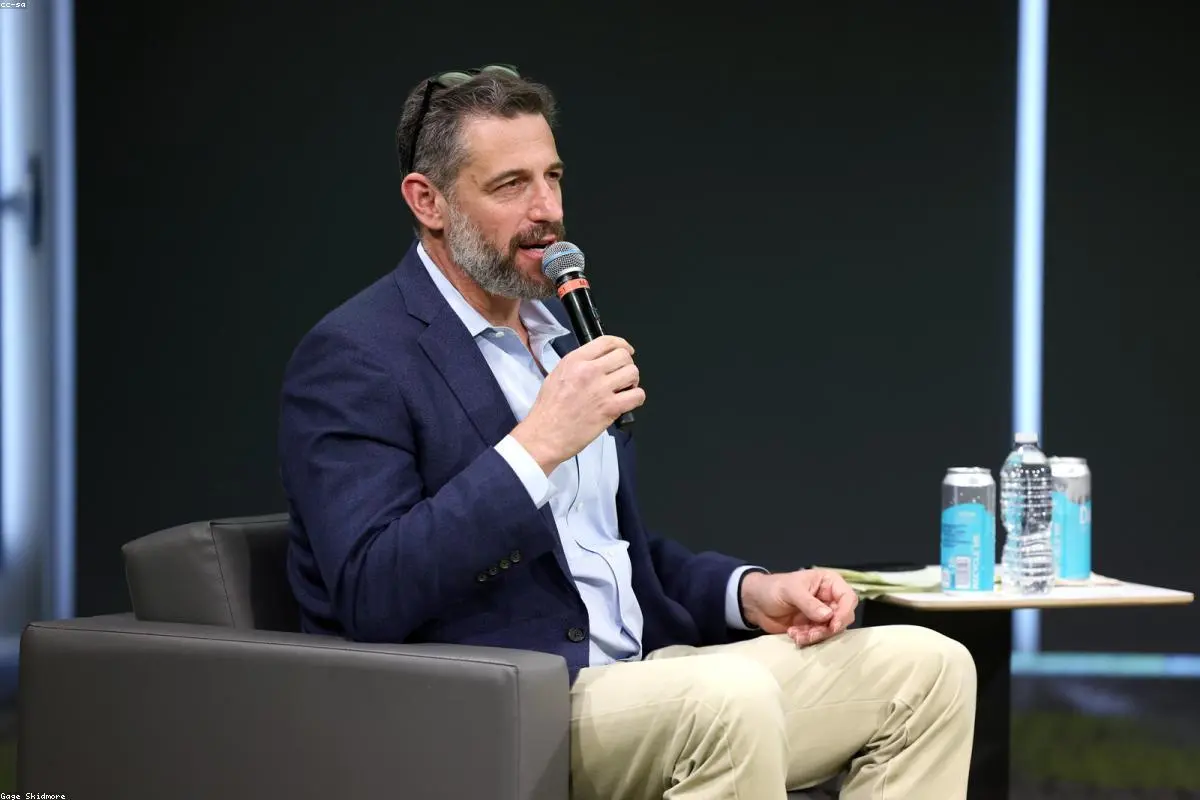
For millions of people, the most intimate glimpses of polar bears, leopard seals, and the crushing isolation of the Antarctic were framed through the eyes of Doug Allan. A pioneer in the truest sense, Allan spent decades lugging heavy cameras into the world’s most hostile environments. Sadly, reports confirm that the legendary cameraman has passed away at the age of 76 after falling ill while trekking in Nepal.
His passing has rippled through the documentary community, leaving a void where a towering spirit once stood. Allan wasn't just an observer; he was a bridge between the raw, indifferent beauty of the poles and the comfort of our living rooms. His work on landmark series like The Blue Planet and Planet Earth did more than just win awards—it shifted the global consciousness regarding the fragility of our planet.
More Than Just a Cameraman
Before his camera ever captured a frame, Allan was a research diver. This scientific background served as his greatest asset. He didn't just understand lighting and exposure; he understood the biological rhythms of the creatures he filmed. He possessed an uncanny patience, often waiting days in sub-zero temperatures just to capture a few seconds of authentic animal behavior that no one had ever witnessed before.
His career trajectory is a testament to the fact that passion often outlives the exhaustion of the job. Whether he was enduring gale-force winds in the Arctic or navigating the delicate ecosystems highlighted in international environmental reports, his commitment remained steadfast. As noted in recent coverage by the BBC, he was a giant in the field, a man whose physical and mental resilience matched the extremes he chose to document.
The Legacy of a Storyteller
What set Allan apart from his peers wasn’t just his technical mastery; it was his ability to narrate the lives of animals without ever needing a word. He understood that to film a polar bear nursing its young, you couldn't be a stranger. You had to be a ghost—an observant, invisible participant. This philosophy earned him the respect of filmmakers and scientists alike, including Sir David Attenborough, who famously lauded Allan’s work as some of the most profound footage ever recorded.
His influence extends far beyond the screen. Many of today’s young cinematographers cite Allan as the reason they picked up a camera. He proved that:
- Authenticity matters: You cannot replicate the emotional weight of a real interaction in the wild.
- Persistence pays off: Great art is rarely the product of convenience.
- Conservation starts with empathy: By showing us the individual struggles of animals, he made us care about the survival of the species.
A Final Chapter in the Himalayas
It seems fitting, perhaps, that a man who spent his life traversing the furthest reaches of the globe would find his final horizon in the Himalayas. Nepal, with its own extreme altitudes and breathtaking vistas, was a familiar home for a man accustomed to the thin air of the world's most remote locations. While his death is a sudden and tragic loss, it serves as a stark reminder of the adventurous spirit he carried until the very end.
As we reflect on his contribution to natural history, it becomes clear that Doug Allan didn't just capture images—he preserved moments of wonder. He showed us that the world is far more vibrant, complex, and deserving of protection than we could ever imagine. While the cameras may have stopped rolling for him, the impact of his lens will remain a permanent fixture in the history of wildlife filmmaking.