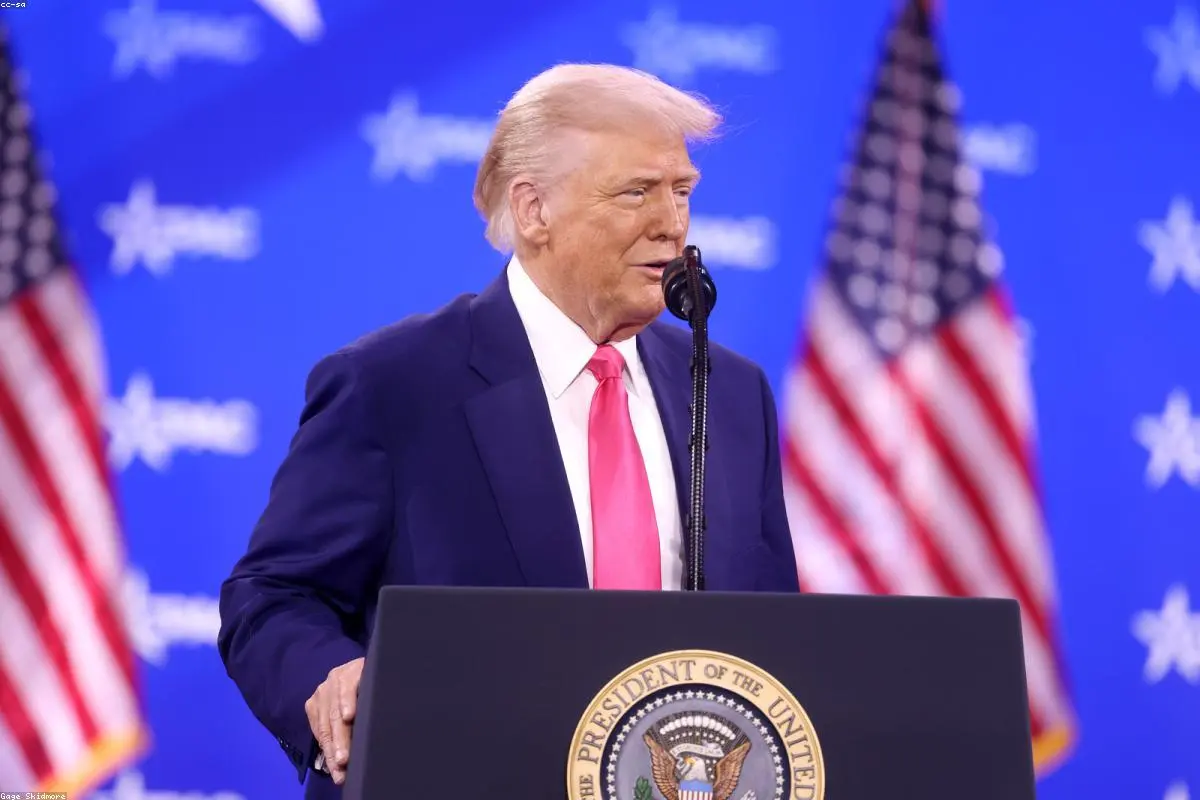
A New War of Words: Trump vs. The Streaming Giant
In a move that has sent ripples through both the political and media landscapes, former President Donald Trump has targeted Netflix with a blistering critique. At the heart of the controversy is Susan Rice, the former National Security Advisor and UN Ambassador, who currently serves on the streaming giant’s board of directors. Taking to his preferred social media channels, Trump didn’t just criticize the appointment; he demanded her immediate dismissal, punctuating his statement with a vague yet ominous warning that the company would otherwise have to “pay the consequences.”
The rhetoric marks a significant escalation in Trump’s long-standing grievances with mainstream media and tech companies. By singling out Rice, a high-profile figure from both the Obama and Biden administrations, Trump is effectively challenging the corporate governance of one of the world’s most influential entertainment platforms. His assertion that she has “no talent or skills” for the position ignores her extensive background in international policy and administration, focusing instead on the partisan divide that continues to define modern American discourse.
The Politics of Corporate Boards
Susan Rice’s relationship with Netflix is not new. She originally joined the board in 2018, took a hiatus to serve as the director of the Domestic Policy Council under President Biden, and eventually returned to her seat at the Netflix table. For Trump and his supporters, her presence is seen as emblematic of a perceived liberal bias within the entertainment industry. For Netflix, however, having a board member with deep ties to Washington D.C. is often viewed as a strategic asset, particularly as the company navigates global regulations and complex international markets.
This latest friction point was highlighted in a recent report by Variety, which noted that the former President's comments come at a time of heightened sensitivity for media conglomerates. As these companies try to appeal to a broad, global audience, they increasingly find themselves caught in the crosshairs of domestic political warfare. Trump’s demand puts Netflix in a difficult position: succumb to political pressure and risk alienating a portion of their workforce and audience, or stand their ground and face potential regulatory or brand-focused pushback if Trump regains significant executive influence.
What Are the ‘Consequences’?
The most intriguing, and perhaps most concerning, part of Trump’s statement is the threat of “consequences.” While he did not specify what those would be, history suggests several possibilities. These could range from calls for widespread subscriber boycotts to more formal challenges, such as advocating for investigations into the company’s tax structures or content moderation policies. Given Trump's previous efforts to reshape Section 230—the law that protects tech platforms from liability for user-generated content—his threats carry a weight that goes beyond mere social media posturing.
Industry analysts suggest that this move is part of a larger strategy to influence the narrative surrounding content creators and distributors. By creating a high-stakes environment for Netflix, Trump is signaling to other major players in Hollywood and Silicon Valley that their leadership choices will be scrutinized under a political lens. This creates a challenging environment for executive recruitment, as board positions that were once considered prestigious and relatively quiet are now becoming lightning rods for public controversy.
The Broader Impact on the Entertainment Industry
Beyond the personal barbs aimed at Rice, this situation highlights the precarious intersection of Hollywood and politics. Netflix has spent years positioning itself as a platform for diverse voices, but that very diversity often invites criticism from those who feel the content leans too far in one political direction. The demand for Rice’s firing isn't just about her individual qualifications; it’s a proxy battle for the soul of the company’s public identity.
It is also worth noting that the entertainment world is currently grappling with a shifting economic reality. With subscriber growth slowing in domestic markets and the rise of ad-supported tiers, the last thing a company like Netflix wants is a politically motivated PR crisis. However, the company has historically stood by its board appointments, emphasizing the professional value these individuals bring to the table rather than their political affiliations.
Conclusion: A Test of Corporate Resolve
As the news continues to develop, all eyes will be on Netflix Co-CEOs Ted Sarandos and Greg Peters to see how they respond. Will they issue a formal statement defending Rice, or will they opt for a strategy of silence, hoping the news cycle moves on to the next headline? The outcome of this standoff could set a precedent for how other major media entities handle direct pressure from political heavyweights.
Ultimately, the demand for Rice to be fired underscores the reality that in today's climate, no company—no matter how large or successful—is immune to the reach of political discourse. Whether this will lead to actual “consequences” for Netflix or simply remain a headline-grabbing moment in a long history of political-corporate clashes remains to be seen. For now, the battle lines are drawn, and the entertainment industry is watching closely.