A Clash of Capitals: Jerusalem Meets the Big Apple
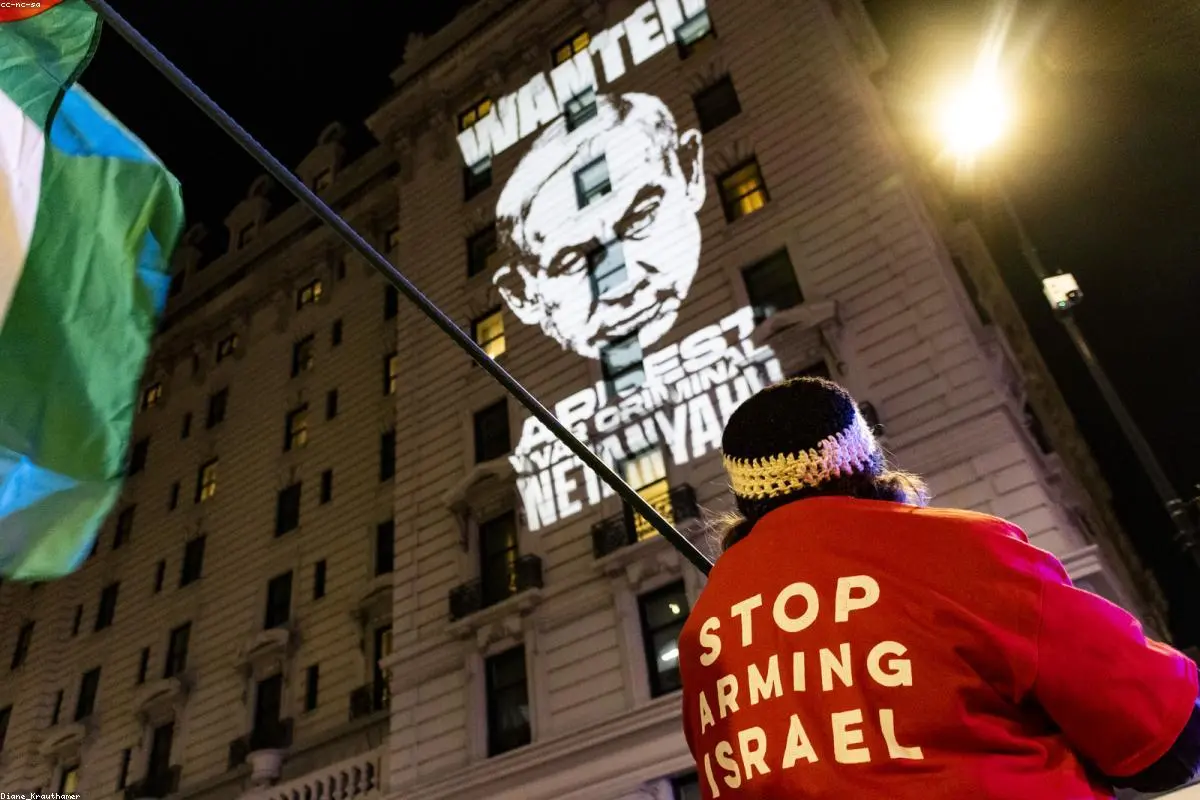
The political bridge between New York City and Jerusalem, traditionally one of the sturdiest in international relations, is currently facing a structural tremor. In a sharp escalation of rhetoric, Israeli Prime Minister Benjamin Netanyahu has publicly accused New York City mayoral candidate Zohran Mamdani of "fomenting hate." The friction stems from Mamdani’s recent assertions that the Prime Minister should face arrest if he sets foot in the five boroughs, citing ongoing international legal pressures regarding the conflict in Gaza.
This war of words marks a significant departure from the usual diplomatic niceties exchanged between Israeli leadership and the administrative heads of the city with the world's largest Jewish population outside of Israel. While New York has often served as a second home for Israeli dignitaries, the current geopolitical climate—fueled by the humanitarian crisis in Gaza and the looming shadow of the International Criminal Court (ICC)—has turned the city into a frontline for ideological debate.
The Rhetoric of Arrest Warrants
The controversy ignited when Mamdani, a prominent democratic socialist and a vocal critic of Israel’s military strategy, suggested that NYC should not be a safe haven for those accused of war crimes. Leveraging the momentum of international legal bodies, Mamdani’s stance aligns with a growing progressive movement in the United States that seeks to apply universal jurisdiction to global leaders. The "arrest threat" isn't just a local campaign talking point; it is a direct challenge to the diplomatic immunity that world leaders typically enjoy when visiting the United Nations headquarters in Midtown Manhattan.
Netanyahu’s response was swift and characteristically blunt. Speaking from Jerusalem, his office characterized the remarks as an attack on the State of Israel itself, rather than just its leadership. By framing Mamdani’s words as "fomenting hate," Netanyahu is tapping into a deeper narrative of rising antisemitism, suggesting that such political grandstanding encourages hostility against Jewish communities globally. This exchange highlights how international legal disputes are no longer confined to the halls of The Hague but are being litigated in the court of public opinion across the Atlantic.
Navigating the International Legal Maze
To understand the gravity of this spat, one must look at the broader context of the ICC’s recent maneuvers. As reported by the BBC, the pressure on the Israeli administration has intensified as global organizations scrutinize the conduct of the war. While the United States is not a member of the Rome Statute, the legal and moral weight of these international warrants provides political ammunition for activists and local lawmakers like Mamdani.
This isn't merely a debate about law; it’s about the soul of New York City’s foreign policy. For decades, being "Pro-Israel" was an unspoken requirement for any serious New York politician. However, the demographic and ideological shift within the city's electorate has created a vacuum where figures like Mamdani can challenge the status quo without immediate political exile. This shift is causing visible discomfort for the Netanyahu administration, which has long relied on the unwavering support of American municipal strongholds.
The Domestic Fallout and Campaign Stakes
As the race for the NYC Mayoralty heats up, this international incident serves as a litmus test for the candidates. On one side, traditionalists argue that New York must remain an open, neutral ground for global diplomacy. On the other, a new guard of politicians believes that local government should reflect the city's diverse and often dissenting views on global human rights. The Netanyahu-Mamdani clash effectively forces every other contender to pick a side, turning a local election into a referendum on Middle Eastern policy.
Critics of Mamdani argue that a mayor has no jurisdiction over international warrants and that his rhetoric endangers the city’s relationship with a key ally. Conversely, his supporters see this as a necessary stand for accountability, arguing that the title of "Global City" carries a responsibility to uphold global standards of justice. Netanyahu’s intervention in the local NYC political cycle is, in itself, a rare move that underscores how much the Israeli government fears the erosion of its traditional support bases in the U.S.
Looking Ahead: A Divided Path
The fallout from this exchange is likely to linger. If Mamdani’s platform gains more traction, it could signal a permanent shift in how American cities interact with foreign heads of state. Meanwhile, Netanyahu’s firm stance serves as a signal to his domestic audience that he remains an unyielding defender of Israeli interests against what he perceives as radical Western influences.
Ultimately, the confrontation between a New York socialist and an Israeli stalwart is more than just a headline. It is a symptom of a world where local and global politics are inextricably linked. As the dust settles on this latest round of accusations, the real question remains: can New York continue to be both a sanctuary for global diplomacy and a laboratory for radical political change? The answer will likely define the city's international standing for years to come.