The air in Bogota this week is thick with more than just the usual mountain mist; there is a palpable sense of anticipation—and perhaps a little anxiety—as millions of Colombians prepare to cast their ballots. For decades, Colombia has been the most reliable, predictable partner for the United States in South America. But today, that predictability is on the ballot. This isn't just a choice between two candidates; it is a referendum on the country’s identity and its place on the global stage.
The End of the Status Quo?
For the better part of a century, Colombia’s political landscape has been dominated by a rotating door of conservative and centrist elites. These leaders have largely maintained a 'hand-in-glove' relationship with Washington, focused heavily on counter-narcotics and security cooperation. However, the economic fallout from the pandemic, coupled with rising inequality and a general fatigue with the establishment, has pushed the electorate toward a desire for radical change.
As voters line up from the Caribbean coast to the Amazonian jungles, the primary driver isn't just ideology; it's the cost of living. While the national economy has shown signs of recovery on paper, many families are struggling to put three meals a day on the table. This disconnect has fueled the rise of candidates who promise to prioritize social spending and agrarian reform over the traditional focus on military strength. In our broader coverage of International news, we have seen similar populist surges across Latin America, but the stakes in Colombia feel uniquely high due to its strategic importance.
The Washington Connection
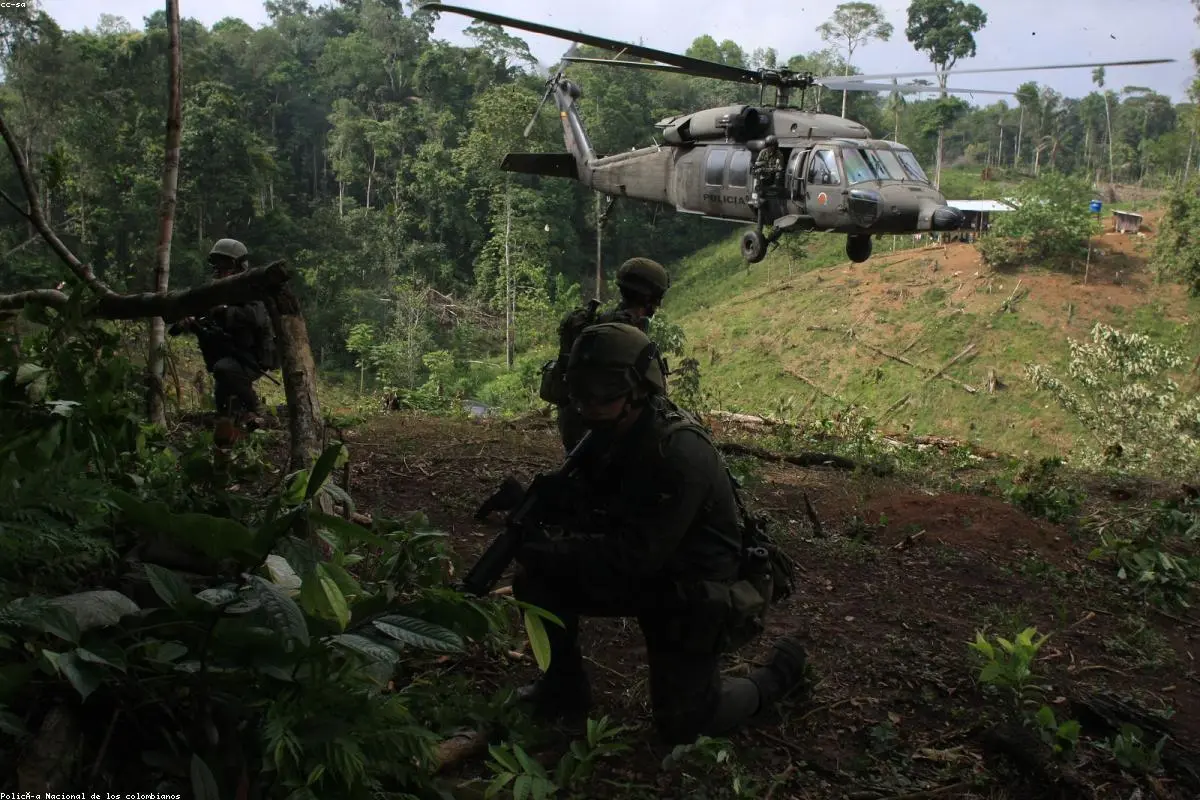
Washington is watching these developments with bated breath. Since the late 1990s, the U.S. has poured billions of dollars into Colombia through initiatives like 'Plan Colombia.' The goal was simple: combat drug trafficking and leftist insurgencies. While the program’s success is a matter of intense debate, the partnership itself was never in question. That is no longer the case.
One side of the current race suggests a recalibration of this relationship. Proposals have been floated to renegotiate trade deals that some local farmers feel are skewed in favor of American interests. Perhaps more significantly, there is talk of shifting away from the U.S.-backed militarized approach to the war on drugs. A move toward decriminalization or a focus on rural development over crop eradication would represent a seismic shift in regional security policy.
According to reports from the BBC, the international community is particularly concerned with how a new administration will handle the 2016 peace deal with FARC rebels. The implementation of this deal has been rocky at best, and the next president will inherit the monumental task of bringing stability to territories still governed by the shadow of violence.
A Shifting Regional Landscape
Colombia’s election does not exist in a vacuum. It is part of a broader 'pink tide' or leftward shift that has seen countries like Chile, Peru, and Brazil move away from conservative leadership. If Bogota also turns toward a more progressive, inward-looking agenda, the U.S. could find itself without its primary anchor in the Southern Hemisphere. This would necessitate a complete rethink of how the White House manages issues ranging from migration to the ongoing crisis in neighboring Venezuela.
Moreover, the candidates' stances on climate change and environmental protection add another layer of complexity. With Colombia home to a significant portion of the Amazon rainforest, the next president's policies on oil exploration and deforestation will have global ramifications. For an international audience, the environmental stakes are just as high as the political ones.
The Weight of the Vote
Despite the grand geopolitical implications, for the average voter in a queue in Medellin or Cali, the choice is more personal. It’s about the hope that a government might finally listen to the voices of the marginalized. It’s about the fear that radical change could lead to economic instability similar to what has been seen elsewhere in the region. Voter turnout is expected to be high, reflecting a populace that realizes their country is at a genuine turning point.
As the sun sets and the polls close, the transition from counting ballots to governing will be the true test. Regardless of who wins, the message from the Colombian people is clear: the old way of doing things is no longer enough. The relationship with the United States will likely endure, but its character is set to change. The days of Bogota following Washington’s lead without question may be coming to an end, replaced by a more complex, nuanced, and perhaps more challenging partnership.
The world is waiting to see which path Colombia chooses. In the coming days, we will have a clearer picture of whether this election marks a gentle course correction or a full-scale transformation of one of South America’s most vital nations.


