A New Chapter in Public Health Legislation
For nearly a decade, the sight of a parent lighting up a cigarette in a car full of children has been not just a social taboo, but a legal offense. Now, that same boundary is being extended to the digital age equivalent: the vape. New plans currently being discussed by policymakers suggest that vaping in private vehicles with minors present could soon be banned, marking a major escalation in the government's crackdown on nicotine products.
The proposal, recently highlighted in reports by the BBC, aims to close a loophole that has existed since e-cigarettes first exploded onto the market. While the 2015 ban on smoking in cars was hailed as a landmark victory for public health, vaping was largely exempt because it was seen as a cessation tool rather than a primary threat. However, as the flavored clouds of 'e-juice' become more ubiquitous, the medical community is raising its voice about the risks of second-hand exposure in confined spaces.
The Myth of 'Harmless' Water Vapor
One of the biggest hurdles in passing this legislation is the lingering misconception that vapes produce nothing more than scented water vapor. In reality, the aerosol emitted from an e-cigarette contains a cocktail of chemicals, including nicotine, heavy metals, and volatile organic compounds. When these are released in the tight cabin of a car, the concentration levels can spike rapidly.
Experts within the health sector argue that children are particularly vulnerable to these particulates. Their lungs are still developing, and their respiratory rate is faster than that of adults, meaning they inhale more of the surrounding air relative to their body weight. By outlawing vaping in cars, the government hopes to eliminate a significant source of involuntary nicotine inhalation for millions of young people.
Mirroring the Success of the 2015 Smoking Ban
To understand why this move is being considered now, we have to look back at the success of the original smoking ban in vehicles. When that law was introduced, critics argued it was an overreach of the 'nanny state.' Yet, within years, it led to a measurable decrease in respiratory issues among children and successfully denormalized smoking in the eyes of the next generation.
The new plans are part of the broader Tobacco and Vapes Bill, which seeks to create the first 'smoke-free generation.' The logic is simple: if the goal is to prevent children from ever picking up a nicotine habit, we must first ensure their immediate environment—especially one as intimate as the family car—is free from the influence and chemical reach of these products.
The Practical Challenges of Enforcement
While the health arguments are compelling, the practical side of the ban raises several questions. Enforcement remains the primary concern for many skeptics. Unlike a lit cigarette, which produces a distinct smell and a visible cherry of fire, some modern vapes are tiny and produce minimal vapor. This makes it difficult for traffic officers to spot a violation from a distance.
Furthermore, there is the debate over personal liberty. Some advocacy groups argue that what happens inside a private vehicle should remain outside the reach of the law. However, proponents of the ban counter that the rights of the child to breathe clean air must take precedence over the driver’s right to vape. The proposed legislation would likely see fines issued to both the driver and the person vaping, similar to the existing seatbelt or mobile phone laws.
What This Means for Parents and Caregivers
If these plans move forward, parents will need to adjust their habits significantly. The shift isn't just about avoiding a fine; it’s about a cultural realization that vaping is not a 'safe' alternative when it comes to second-hand exposure. Here are a few things caregivers should consider:
- Residual Residue: Even when a window is down, nicotine and chemicals can settle on upholstery, creating a 'third-hand' exposure risk for toddlers who touch car surfaces.
- Behavioral Modeling: Children who see their parents vaping are statistically more likely to view the habit as harmless and may be more prone to trying it themselves in their teenage years.
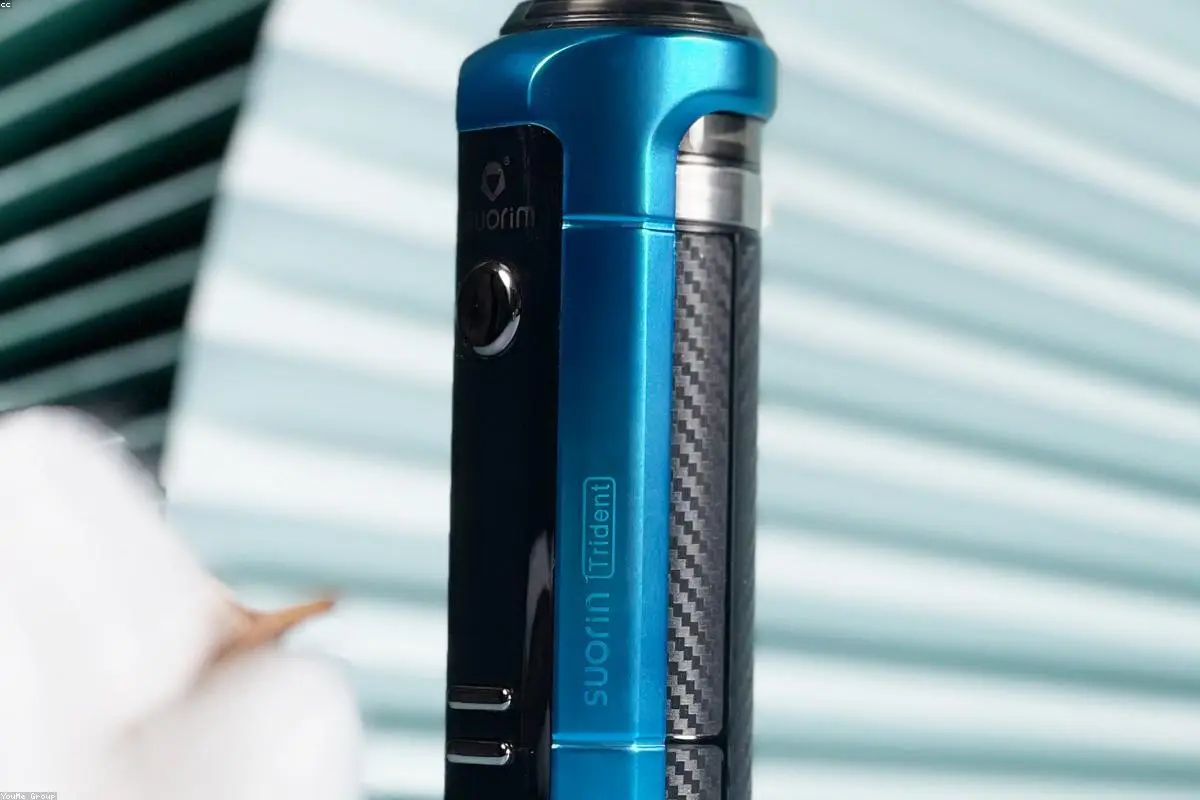
- Air Quality: In-car air purifiers are often insufficient to clear the dense aerosol clouds produced by high-powered vape mods.
Looking Ahead: A Stricter Future for Vaping
The potential ban on in-car vaping is just one piece of a much larger puzzle. Governments worldwide are currently re-evaluating their stance on e-cigarettes, with many looking to ban disposable vapes and restrict flavors that appeal to children, such as 'bubblegum' or 'cotton candy.' The era of the unregulated 'vape wild west' appears to be coming to a firm close.
Ultimately, these plans reflect a growing cautiousness. We don’t yet have the forty years of longitudinal data on vaping that we have on combustible tobacco, but the data we do have suggests that 'safer' does not mean 'safe.' By clearing the air in our cars, we are making a clear statement: the respiratory health of the next generation is worth more than the convenience of a nicotine hit behind the wheel.
As the Tobacco and Vapes Bill moves through the legislative process, all eyes will be on how the public—and the vaping industry—responds. Whether this becomes law this year or next, the message is clear: the clouds are lifting, and the rules of the road are changing for good.