A Night of Unrest Following Europe’s Biggest Stage
The electric atmosphere that usually accompanies the pinnacle of European football took a dark turn this week. While the Champions League is celebrated as a showcase of the world's best talent, the scenes unfolding across several French cities were anything but sporting. Following high-stakes matches, jubilant celebrations rapidly soured, escalating into violent confrontations between fans and law enforcement that left a trail of destruction in their wake.
According to official reports, the scale of the disorder was staggering. Law enforcement agencies confirmed that hundreds of individuals were taken into custody, with the bulk of the arrests occurring in Paris and Marseille. The unrest wasn't merely a case of rowdy celebration; it involved targeted attacks on public property, the looting of storefronts, and a level of aggression toward the police that has sparked national outrage.
The human cost for those tasked with keeping the peace was significant. Dozens of police officers were treated for injuries ranging from smoke inhalation to fractures as they were pelted with glass bottles, stones, and high-powered pyrotechnics. This surge in violence has forced a difficult conversation about the intersection of fan culture and public safety in the modern era.
The Escalation from Joy to Hostility
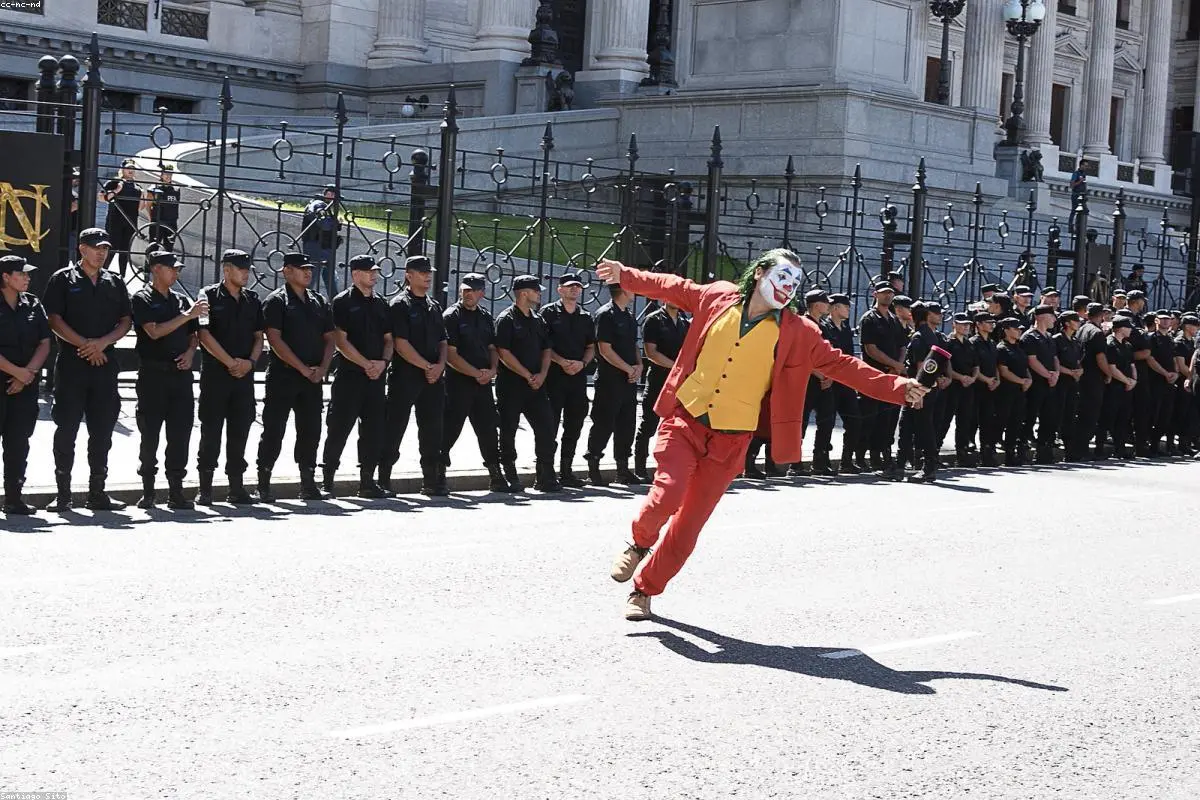
The evening began with the usual fervor. Thousands of supporters gathered in public squares and outside stadiums, their chants echoing through the streets. However, as the final whistles blew, the mood shifted. In several districts, small groups began launching fireworks at police cordons, a move that prompted a swift and heavy-handed response involving tear gas and water cannons. As reported by the BBC, the intensity of the clashes caught many by surprise, despite a heavy security presence being planned well in advance.
Many observers noted that the violence seemed to stem from a volatile mix of genuine fans, opportunistic vandals, and organized groups looking for a confrontation. This distinction is crucial for those analyzing the state of current Sports events, as it highlights the difficulty of policing large-scale gatherings where the majority are peaceful, but a vocal minority is intent on chaos.
Political Fallout and Security Concerns
The political reaction was immediate. French Interior Ministry officials condemned the "unacceptable" violence, praising the restraint shown by officers under extreme pressure. Nevertheless, critics have pointed to these incidents as a symptom of deeper social tensions. The sight of burning barricades in the heart of major cities provides a grim backdrop to a country that is often at the center of the global sporting map.
This isn't just a local issue; it’s a logistical nightmare for tournament organizers. Questions are being raised about whether current crowd control strategies are sufficient. Some of the primary concerns currently being debated include:
- The use of pyrotechnics: Despite strict bans, flares and fireworks remain a staple of these riots, posing a direct threat to both fans and police.
- Resource allocation: Whether enough officers were deployed to high-risk 'fan zones' versus neighborhood transit hubs.
- Intelligence sharing: The ability of authorities to identify and intercept known agitators before they reach city centers.
The Broader Impact on the Beautiful Game
Beyond the immediate physical damage, there is a lingering sense of disappointment regarding the impact on football's reputation. The Champions League is a brand built on prestige and excellence; when that image is replaced by footage of tear gas clouds and shattered shop windows, the sport loses a bit of its magic. For many families who had hoped to enjoy the festivities, the night ended in a hurried retreat to safety.
There is also the financial aspect to consider. Local businesses, many of which are still recovering from previous years of economic uncertainty, now face expensive repairs. The cost of the massive police deployment itself is a burden on the taxpayer, leading to calls for football clubs or governing bodies to take more financial responsibility for the behavior of their followers outside the stadium gates.
Looking Ahead: A Turning Point for Policing?
As the smoke clears and the legal proceedings begin for the hundreds of detainees, the focus shifts to prevention. France is set to host several more high-profile international events in the coming years, and these riots serve as a stark warning. The traditional methods of 'containment' are being challenged by more mobile and aggressive groups of rioters who use social media to coordinate their movements in real-time.
The resolution will likely require a multifaceted approach. It isn't just about more boots on the ground; it’s about better community engagement, more sophisticated surveillance, and perhaps a rethink of how fan zones are managed. Until then, the memory of this Champions League night will remain a somber reminder that the passion for the game can, unfortunately, be weaponized in the most destructive of ways. The hope is that the lessons learned here will ensure that the next time the whistle blows, the only thing being talked about is the score on the pitch.