The New Vital Sign: School Readiness
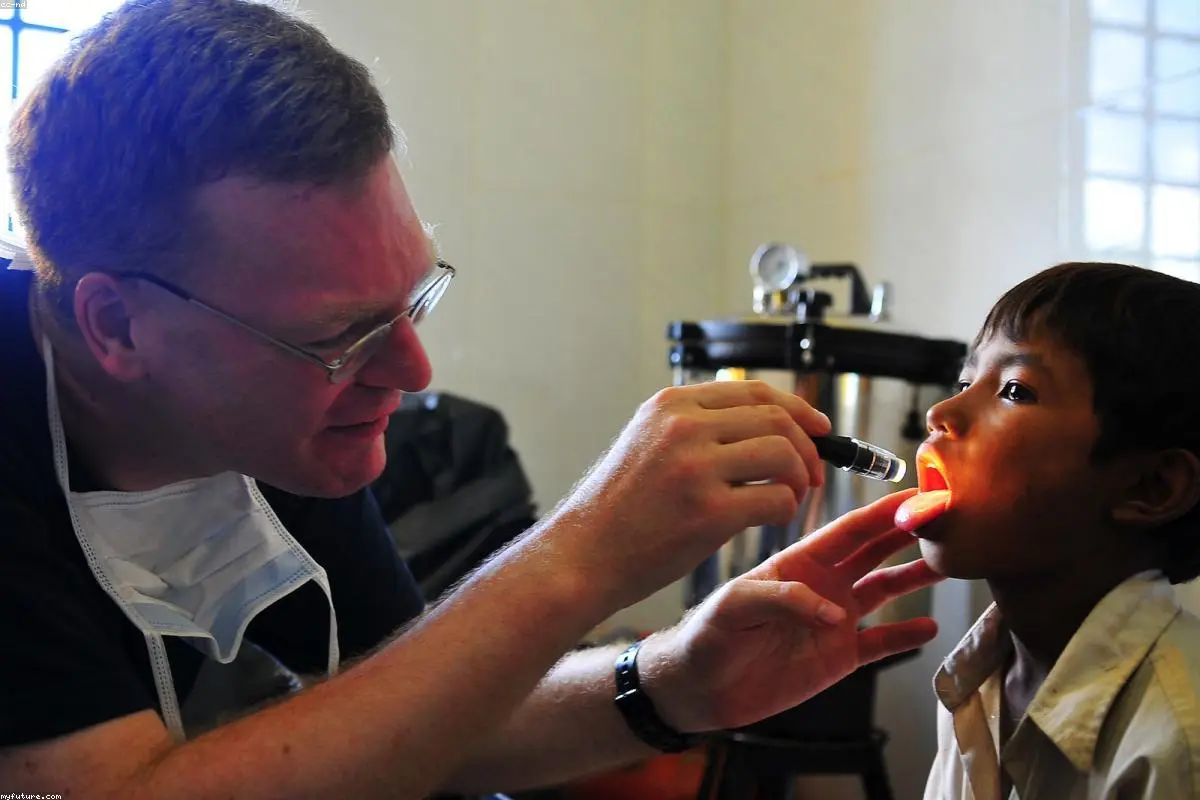
For decades, a trip to the pediatrician for a four-year-old followed a predictable script: a height and weight check, a quick look at the ears and throat, and the inevitable sting of a few booster shots. But in exam rooms across the country, the conversation is shifting. Doctors are increasingly looking beyond physical growth charts to measure a different kind of milestone: whether a child is actually ready to step into a classroom.
The concept of assessing kindergarten readiness during routine medical visits is gaining significant traction. It stems from a simple but profound realization that pediatricians are often the only professionals who interact regularly with children during the critical years between birth and age five. This unique access provides a golden opportunity to identify developmental delays or social-emotional hurdles long before a child ever sets foot in a school building.
Moving Beyond the Stethoscope
What does "readiness" look like in a clinical setting? It is rarely about whether a child can recite the alphabet or count to twenty perfectly. Instead, clinicians are focusing on the foundational skills that make learning possible. These include executive function, the ability to follow multi-step directions, and the emotional regulation required to share toys or sit in a circle.
By integrating standardized screening tools into the well-child visit, pediatricians can provide a more objective assessment than a parent’s anecdotal observations alone. This proactive approach allows for earlier interventions. When a doctor notices a child struggling with fine motor skills or expressive language, they can trigger referrals to early intervention services years before a teacher would have noticed the same issue in a crowded classroom. This evolution in care is a central theme in the evolving landscape of Early Childhood Education, where the goal is to level the playing field before the first bell rings.
The Power of the Trusted Advisor
One of the most significant advantages of this model is the relationship between the doctor and the family. For many parents, the pediatrician is a trusted source of truth. When a doctor explains that reading aloud for fifteen minutes a day is as vital as a daily vitamin, parents are more likely to listen. This positions the medical clinic as a secondary hub for educational literacy.
As noted in a recent report from Education Week, these assessments are not meant to be high-stakes tests. Rather, they serve as a diagnostic tool to help parents understand where their child stands. If a child is lagging in social-emotional development, the doctor can prescribe playgroups or specific home-based activities rather than just waiting for the school system to pick up the slack.
Closing the Opportunity Gap
The stakes are particularly high for children from underserved communities. Often, these children lack access to high-quality preschool programs where readiness would traditionally be monitored. For these families, the pediatric office serves as the primary safety net. When doctors screen for school readiness, they can identify systemic barriers—such as a lack of books in the home or food insecurity—that directly impact a child's ability to learn.
However, implementing this change isn't without its hurdles. Pediatricians are already stretched thin, often forced to pack a dozen different screenings into a fifteen-minute time slot. There is also the question of reimbursement; insurance companies traditionally pay for physical health, not educational assessments. Critics argue that adding "school readiness" to the checklist might lead to rushed evaluations or over-medicalizing normal developmental variations.
A Collaborative Future
To make this work, the wall between the medical clinic and the school district must become more porous. Some innovative programs are already experimenting with sharing data (with parental consent) between doctors and local kindergartens. This allows teachers to know exactly what kind of support their incoming students need on day one, rather than spending the first three months of the year playing catch-up.
The ultimate goal is to create a seamless continuum of care that starts in the cradle and leads directly to the classroom. When we stop viewing health and education as two separate silos, children benefit. A child who is healthy, emotionally regulated, and cognitively prepared doesn't just survive kindergarten; they thrive in it. By leveraging the routine pediatric checkup, we are finally acknowledging that a child’s brain is just as important as their body—and that preparation for life starts long before the first school bus arrives.