A Weekend of Devastation in Southeastern Brazil
Nature’s fury has once again descended upon Brazil, leaving a trail of heartbreak and destruction in its wake. Over the past weekend, torrential rains battered the country’s southeastern states, triggering massive floods and lethal landslides that have claimed at least 25 lives. What began as a heavy summer storm quickly escalated into a humanitarian emergency, as entire neighborhoods were submerged and hillsides gave way under the sheer weight of the water.
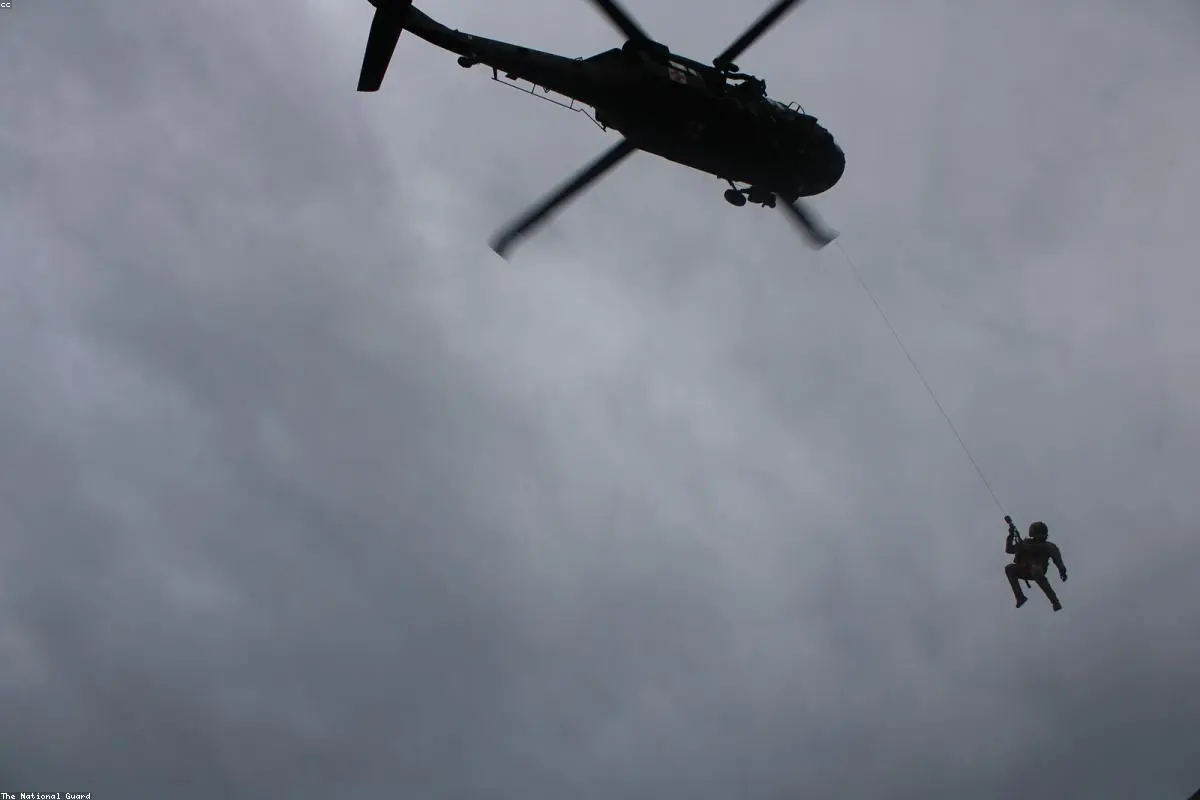
The states of Espírito Santo and Rio de Janeiro have borne the brunt of the onslaught. Rescue teams, including firefighters and military personnel, are currently engaged in a desperate race against time to locate those still missing. In many areas, the infrastructure has completely buckled; bridges have been swept away, and roads remain choked with thick, chocolate-colored mud, making access to the hardest-hit communities a logistical nightmare.
The Epicenter of the Tragedy
While the storm was widespread, the town of Mimoso do Sul in Espírito Santo has emerged as one of the most harrowing scenes of the disaster. Local officials described the situation as "apocalyptic," with floodwaters rising so rapidly that many residents had no time to reach higher ground. According to reports sourced from the BBC, the death toll in this state alone has climbed to 17, as rescuers continue to pull bodies from the debris.
In neighboring Rio de Janeiro, at least eight people lost their lives. The mountainous regions, which are perennially vulnerable during the rainy season, saw devastating mudslides that crushed homes. In Petrópolis—a city still scarred by a similar disaster in 2022—residents watched in terror as the hillsides they call home once again became precarious traps. The local government has declared a state of emergency, a move intended to fast-track recovery funds and federal aid to those who have lost everything.
Beyond the Rainfall: A Pattern of Vulnerability
This latest catastrophe fits into a broader, more concerning trend within the International community's understanding of climate change and urban planning. Brazil’s geography, combined with its rapid and often unregulated urban expansion, creates a perfect storm for these kinds of events. Many of the most affected families live in "favelas" or informal settlements perched on steep inclines, where the lack of proper drainage systems and soil stabilization makes them sitting ducks for heavy rainfall.
It is not just a matter of weather; it is a matter of systemic infrastructure failure. While the volume of rain—reportedly exceeding 300mm in some areas in just 24 hours—was extraordinary, the recurring nature of these deaths suggests that Brazil’s cities are not yet equipped for the "new normal" of extreme weather patterns. Experts point to the warming of the South Atlantic as a key driver, which provides more moisture for the storms that hit the coast during the transition from summer to autumn.
- Emergency Shelters: Thousands have been displaced, currently taking refuge in schools and gymnasiums.
- Infrastructure Damage: At least a dozen bridges have collapsed, isolating rural farming communities.
- Utility Disruptions: Power and clean water remain unavailable for over 50,000 residents in the affected zones.
The Political and Social Response
President Luiz Inácio Lula da Silva has expressed his solidarity with the victims, stating that the federal government is fully committed to supporting local authorities. However, the political pressure is mounting. Each year, as the rainy season approaches, promises are made regarding the relocation of at-risk families and the improvement of urban drainage. Yet, as the death toll rises again, many Brazilians are asking why these preventable tragedies keep happening with such regularity.
The recovery process will likely take months, if not years. Beyond the immediate need for food, medicine, and clean water, there is the psychological toll on survivors who have witnessed their homes and livelihoods vanish in seconds. Community spirit remains strong, with volunteers from across the country organizing donation drives, but the scale of the loss is staggering.
Looking Ahead: A Climate of Uncertainty
As the skies finally begin to clear over Espírito Santo and Rio, the focus shifts from rescue to recovery and reflection. This disaster serves as a grim reminder that climate adaptation is no longer an optional policy goal—it is a survival necessity. For the people of southeastern Brazil, the sound of rain, once a welcome relief from the tropical heat, has increasingly become a source of profound anxiety.
The international community will be watching closely as Brazil attempts to rebuild. The challenge lies not just in repairing what was broken, but in reimagining a more resilient urban landscape that can withstand the increasingly volatile forces of nature. For now, the nation mourns its dead and waits for the mud to dry, hoping that the lessons learned this time will be enough to prevent another tragedy when the clouds next gather.