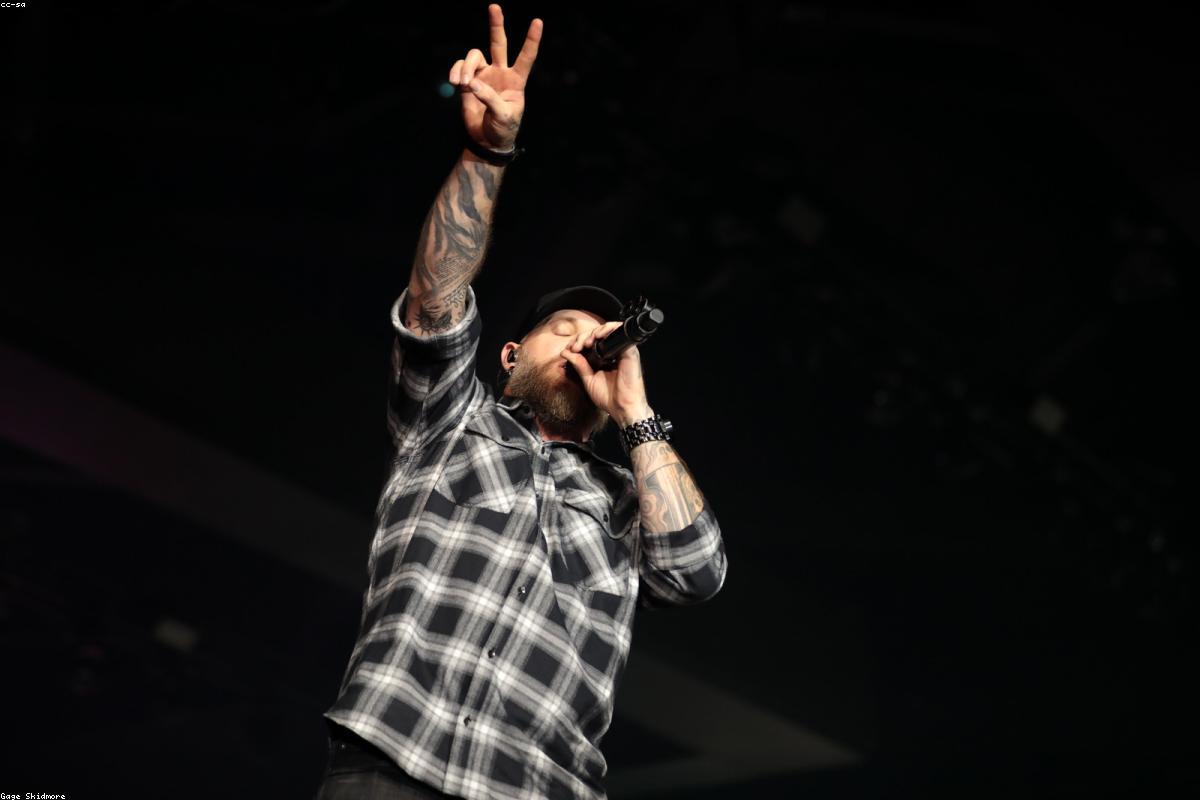
Brantley Gilbert Defends TPUSA’s Alternative Halftime: ‘It’s Been More Than 20 Years Since a Country Artist Has Been Asked to Play the Super Bowl Halftime Show’
The Super Bowl Halftime Show is arguably the most coveted and high-profile musical stage in the world, routinely generating global viewership that eclipses the game itself. However, for a significant portion of the American audience—namely, country music fans—the event has long felt exclusionary.
This sentiment has now been forcefully articulated by country rock singer Brantley Gilbert, who has stepped forward to staunchly defend the alternative halftime event organized by Turning Point USA (TPUSA). Gilbert’s defense centers not on political alignment, but on the perceived snub of the genre by NFL organizers and the music industry establishment.
“It’s been more than 20 years since a country artist has been asked to play the Super Bowl Halftime Show,” Gilbert stated, emphasizing the massive gap in representation despite country music’s enormous market share. His comments lend significant weight to the argument that alternative venues are necessary for genres consistently ignored by mainstream pop culture events.
The Alternative Halftime: A Response to Industry Gatekeeping
While the official Super Bowl Halftime Show typically features global icons representing pop, R&B, or hip-hop, TPUSA’s “Alternative Halftime” has sought to carve out a niche by focusing on performers and styles often considered outside the mainstream pop narrative. The event serves as a counter-program designed to appeal specifically to conservative and country music audiences.
Gilbert’s defense suggests that the creation of this parallel concert is not an act of political defiance, but rather a functional necessity for an enormous fanbase. The Super Bowl represents the apex of American televised entertainment, and the exclusion of a multi-billion dollar genre like country music year after year is viewed by many artists as a fundamental oversight.
The lack of country representation is stark. While occasional brief appearances or anthem performances have occurred, a true headlining slot for a solo country artist or group has been absent for decades. This sentiment, recently reported by Variety on February 14, 2026, highlighted Gilbert’s frustration with the perceived lack of diversity in the current halftime show format. (The full context of the interview can be reviewed at variety.com.)
The Economic Powerhouse Versus Pop Culture Snub
Country music currently dominates streaming charts and generates enormous revenue through touring and record sales, often eclipsing many of the artists who secure coveted spots in the national spotlight. Gilbert argues that the decision to continuously bypass country performers is not based on commercial viability or fan demand, but rather on subjective choices made within the music industry.
“You look at the numbers, you look at who’s selling out stadiums, and it’s a lot of folks from Nashville,” Gilbert observed. “Yet, we are completely ignored when it comes to the biggest annual show on television. If the NFL and their partners aren’t going to represent the full spectrum of American music, then someone else must step up and do it.”
The consistent focus on specific genres has led critics to question the curation process managed by partners like Roc Nation, arguing it neglects broad swaths of American pop culture. For more discussions on genre representation in major events, visit our Category: Entertainment section.
Looking Ahead: Will Mainstream Halftime Ever Embrace Country?
Brantley Gilbert’s outspoken support of the alternative concert serves as a high-profile challenge to the status quo. It frames the TPUSA event not just as a political gathering, but as a legitimate response to market demand ignored by established institutions.
For country fans, the demand is clear: they want a seat at the table. Gilbert’s defense suggests that until the NFL takes serious steps to include major country acts—artists who are capable of filling the 15-minute slot with spectacle and high production value—alternative programming will continue to thrive and compete for viewership.
The essential takeaway, according to Gilbert, is that the alternative event exists because the official show failed to embrace musical diversity. Whether the pressure generated by high-profile artists like Gilbert will force a change in future Super Bowl Halftime Show selections remains to be seen, but the debate over genre exclusion is now louder than ever.