A Region on the Edge
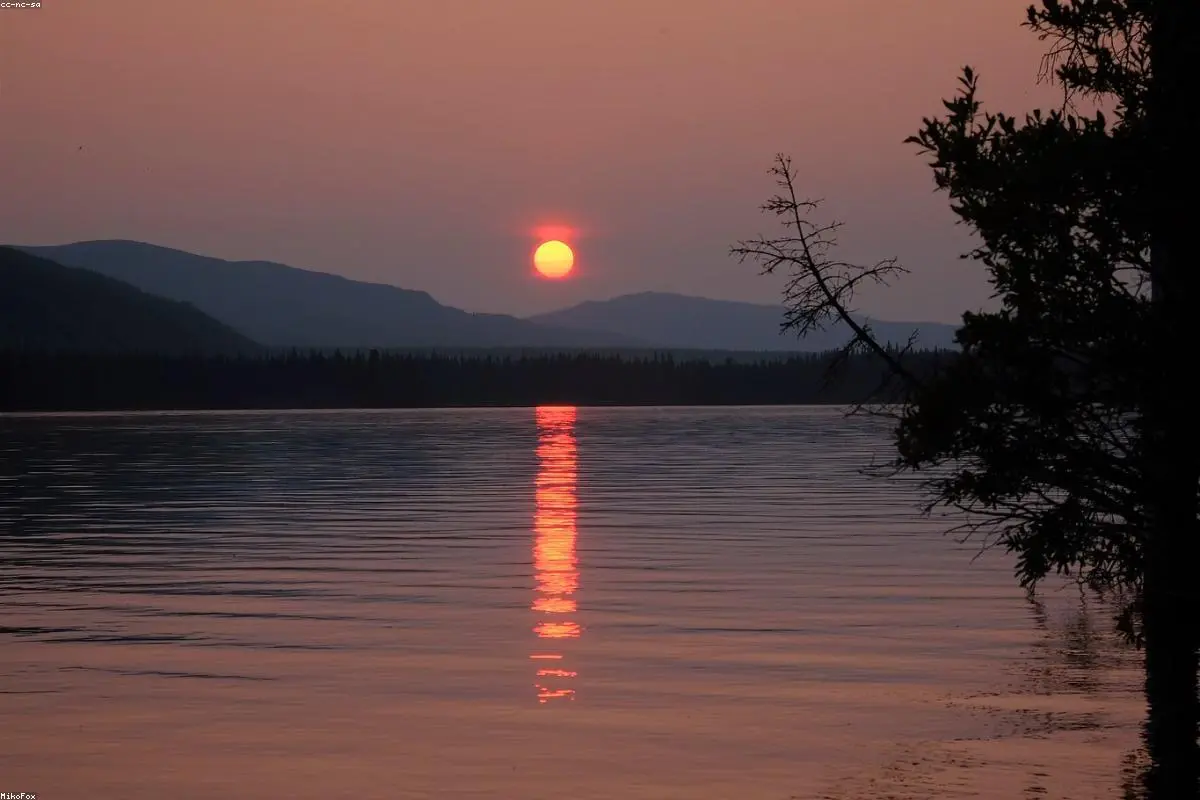
The sky over the Gironde department, usually a serene backdrop to some of the world’s most prestigious vineyards, has turned a haunting shade of copper. For several days, firefighters have been locked in a desperate struggle against wildfires that refuse to be tamed. What began as a series of isolated blazes has transformed into a massive regional emergency, forcing tens of thousands of residents and tourists to abandon their homes and campsites near Bordeaux.
The scale of the evacuation is staggering. Local authorities confirmed that more than 30,000 people have been moved to safety as the flames, fanned by erratic winds and fueled by a punishing heatwave, jumped containment lines. For many, the exit was frantic—a hurried packing of essentials as the smell of charred pine grew thick enough to taste. These are not just statistics; they are families sleeping on gym mats in temporary shelters, wondering if their heritage and livelihoods will survive the week.
This crisis highlights a growing trend within the International community, where extreme weather events are no longer seasonal anomalies but recurring nightmares. According to reports from the BBC, the sheer ferocity of the fires has led officials to describe them as "monster" blazes that create their own localized weather systems, making them incredibly difficult to predict or control.
The Tinderbox Effect: Why Now?
The geography of the region plays a significant role in the current catastrophe. The Landes forest, a vast expanse of maritime pines, is one of the largest of its kind in Europe. While beautiful, these trees are highly flammable due to their resin content. When you combine this natural fuel with a prolonged drought and temperatures soaring past 40 degrees Celsius, the result is a landscape that is primed for ignition.
Meteorologists point to a "heat dome" trapped over Western Europe as the primary culprit. This phenomenon acts like a lid on a pot, trapping hot air and preventing cooler maritime breezes from reaching inland. For the firefighters on the ground—nearly 2,000 of them—the conditions are nothing short of hellish. They are working in heavy gear under a sun that offers no respite, battling flames that can reach heights of 30 meters.
A Global Effort in a Local Crisis
The fight for Bordeaux is not a solitary one. In a display of cross-border solidarity, several neighboring nations have dispatched aerial water bombers and specialized ground crews to assist the French units. This collective response underscores the necessity of shared resources in an era where environmental disasters frequently outstrip the capacity of any single nation to manage them.
- Aerial Support: Canadair planes are performing low-altitude drops, scooping water from nearby lakes and the Atlantic coast to dampen the fire’s path.
- Ground Containment: Bulldozers are working through the night to create firebreaks—strips of cleared land intended to starve the fire of fuel.
- Civil Protection: Thousands of volunteers have mobilized to provide food, water, and psychological support to the displaced.
Beyond the immediate tactical response, there is a deeper conversation happening about the long-term viability of these regions. The wine industry, the backbone of the Bordeaux economy, is watching the horizon with bated breath. While many of the most famous chateaus remain out of the direct line of fire, the "smoke taint"—where grapes absorb compounds from the air—could potentially ruin entire vintages, leading to economic ripples that will be felt far beyond the borders of France.
The New Normal?
As the smoke drifts across the Bay of Biscay, the international focus shifts to the broader implications of these events. We are witnessing a fundamental shift in the European landscape. Areas that were once considered temperate are now grappling with the same "mega-fire" threats usually associated with the Australian Outback or the California hills. This isn't just a bad summer; it is a preview of a future dictated by a warming planet.
Resilience is currently the word of the day in Bordeaux. Local officials are already looking at how to replant forests with more fire-resistant species and how to redesign urban-wildland interfaces to better protect human life. However, for the tens of thousands currently waiting in shelters, those policy discussions feel miles away. For them, the priority remains the wind: praying it dies down, praying it shifts, and waiting for the moment they can finally go home.
The battle near Bordeaux is a sobering reminder that nature, when pushed to its limits, possesses a power that can disrupt even the most sophisticated societies. As the firefighters continue their grueling work, the world watches, hoping that the "monster" can finally be contained before any more of this historic region is turned to ash.