The Front Line of the Training Ground
The air is thick with the smell of cordite and the rhythmic, deafening thud of simulated explosions. In the distance, shouts echo through the smoke as a group of men scramble through the undergrowth, navigating an environment that feels miles away from the manicured lawns of a Premier League training complex. But these aren't recruits halfway through basic training; they are professional football coaches, and they are learning that the dugout and the battlefield have more in common than they ever imagined.
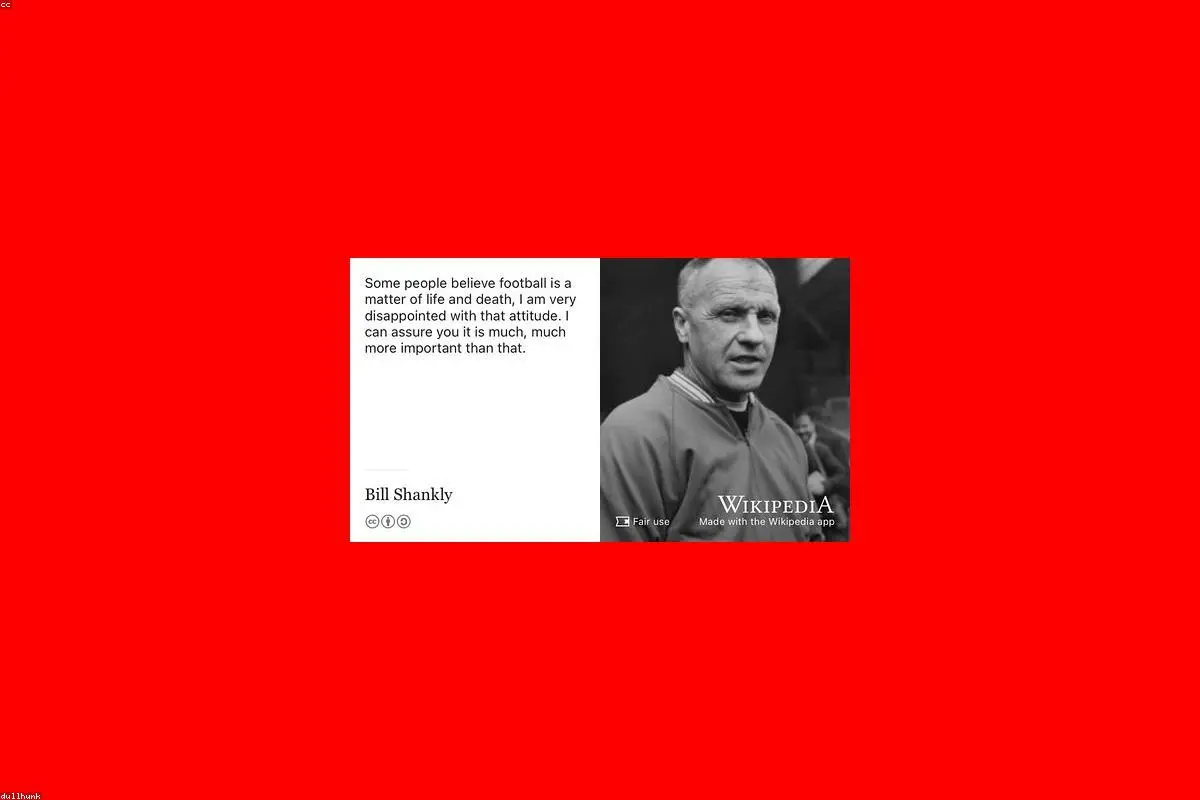
The traditional image of a football coach involves a whistle, a clipboard, and perhaps a heated discussion over a VAR decision. However, a growing trend in the elite game is seeing tactical minds swap their tracksuits for camouflage. This isn't just a PR stunt or a grueling team-bonding exercise. It is a deep dive into the psychology of leadership under extreme duress, where the stakes are elevated from league points to life and death.
Decision Making Under Duress
In a recent report by the BBC, the intensity of these sessions was laid bare. As detailed in their analysis of military-style coaching, the goal is to push individuals to their absolute breaking point. When you are exhausted, disoriented by noise, and facing a simulated ambush, your ability to process information changes. For a coach, this mimics the high-octane environment of a cup final or a relegation scrap, where clear thinking often evaporates in the heat of the moment.
Military instructors don't care about your 4-3-3 formation or your high-pressing trigger. They care about how you communicate when everything is going wrong. During these exercises, coaches are forced to lead squads through 'contact' scenarios—simulated attacks where blood (often theatrical but startlingly realistic) and 'bombs' create a sensory overload. The lesson is simple: if you can keep your head when an improvised explosive device goes off, you can probably keep it when your star striker misses a sitter in the 90th minute.
The Parallels of Tactical Resilience
Modern football is increasingly defined by 'transitions' and 'chaos management.' Coaches who can thrive in the unpredictability of the game often find more success than those who rely solely on rigid structures. By engaging with the army, coaches are learning the art of the 'After Action Review' (AAR)—a military staple that goes far deeper than a standard post-match analysis.
- Clarity of Instruction: In a firelight, there is no room for jargon. Coaches learn to strip back their language to the essentials.
- Delegation: Understanding that a leader cannot see every corner of the battlefield (or the pitch) and must trust their lieutenants.
- Emotional Regulation: Mastering the 'poker face' to ensure panic doesn't spread through the ranks.
For more insights into how the psychological edge is being honed at the highest levels of the game, explore our latest features in the Sports section. The crossover between different disciplines is becoming the new frontier for marginal gains.
From the Trenches to the Touchline
It is one thing to draw a tactical shift on a white board in a quiet dressing room; it is quite another to implement it while your 'soldiers' are under simulated fire. Coaches who have undergone this training speak of a profound shift in their perspective. They begin to see their players not just as athletes, but as a unit that must be psychologically bulletproof. This military influence is beginning to seep into the way academies operate, focusing on 'character' and 'grit' as much as technical proficiency.
Critics might argue that comparing a game of football to actual warfare is hyperbolic, and in a literal sense, they are right. No one dies on a football pitch because of a tactical error. However, the physiological response to stress—the cortisol spike, the narrowing of vision, the 'fight or flight' mechanism—is identical. By training in these 'bombs and blood' scenarios, coaches are effectively desensitizing themselves to the pressures of the stadium.
The Future of Elite Coaching
As the margins for error in professional football continue to shrink, the appetite for unconventional training methods will only grow. We are moving away from the era of the 'manager' who simply picks the team, toward the era of the 'leader' who understands human behavior in its most raw state. The army provides the ultimate laboratory for this study.
The next time you see a manager standing calmly on the touchline while 50,000 people scream for their head, remember that they might have spent their summer in a ditch, navigating an ambush in the pouring rain. They aren't just watching a game; they are managing a battlefield, and they've already survived much worse than a bad refereeing decision. The integration of military discipline into the beautiful game isn't just about toughness—it's about the evolution of the sporting mind.