The Tipping Point for Scottish Business
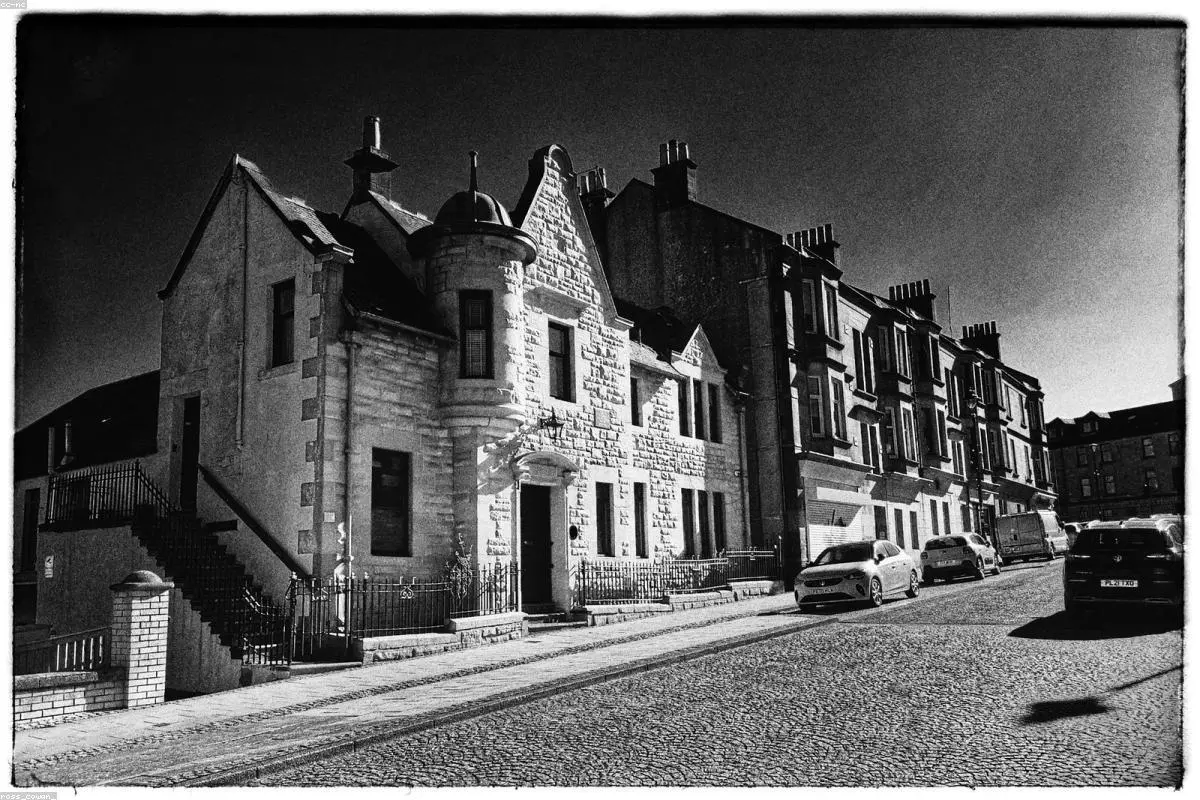
Walk down the main street of any Scottish town today, from the granite corridors of Aberdeen to the bustling lanes of Glasgow, and you will see a landscape in transition. While the resilience of local entrepreneurs remains undeniable, a shadow is being cast by more than just the North Sea clouds. A growing chorus of voices from the retail, hospitality, and manufacturing sectors is calling for a fundamental overhaul of the business rates system—a tax structure they argue is tethered to a bygone era.
The timing of this outcry is no coincidence. As the cost of living crunch continues to tighten its grip on household budgets, the dual pressure of reduced consumer spending and skyrocketing operational costs has left many firms teetering on the edge. Business rates, or non-domestic rates, represent one of the largest fixed costs for physical enterprises. Unlike VAT or corporation tax, which fluctuate based on performance, these rates are a stubborn reality that must be paid regardless of whether a shop turns a profit or faces a deficit.
A System Out of Step with Reality
The core of the frustration lies in the perceived disconnect between the tax burden and the modern economic environment. According to recent reports from the BBC, industry leaders are warning that the current trajectory is unsustainable. The concern isn't just about the total amount being collected, but the methodology used to calculate it.
Business rates are essentially a property tax, calculated based on the rateable value of the premises. In a world where digital commerce is king, this places an disproportionate burden on those who maintain a physical presence in our communities. A small independent bookstore in Inverness faces a tax bill that scales with its square footage, while a global e-commerce giant can service the same region from a high-efficiency warehouse with a far lower relative tax footprint. This imbalance is at the heart of the call for a "level playing field."
The Impact of the Inflationary Spiral
When we look at the wider business landscape, the inflationary pressures of the last 24 months have been relentless. For a café owner in Dundee, it isn’t just about the price of milk or coffee beans; it’s about the electricity to run the fridges and the wages needed to ensure staff can afford their own rising rent. When an inflationary increase is applied to business rates on top of these operational hikes, it often becomes the straw that breaks the camel's back.
Many advocates for reform are suggesting a "poundage" freeze or a significant reduction in the multiplier used to determine bills. They argue that by providing breathing room now, the government can prevent a wave of insolvencies that would ultimately cost the Treasury more in lost tax revenue and unemployment benefits in the long run.
Balancing the Books at Holyrood
The Scottish Government finds itself in a precarious position. Business rates are a vital source of revenue, generating billions of pounds that fund essential local services like schools, waste management, and infrastructure. Simply cutting these rates creates a hole in the budget that must be filled elsewhere. However, the counter-argument is that a dying high street provides no tax revenue at all.
There is also the question of parity with the rest of the UK. Business owners often point to various relief schemes available south of the border that haven't been fully mirrored in Scotland. This has led to concerns regarding Scottish competitiveness, with fears that potential investors might look to Newcastle or Manchester rather than Edinburgh or Perth if the tax environment is seen as too punitive.
What Real Reform Could Look Like
Meaningful change rarely comes from a single policy tweak. Instead, industry bodies are suggesting a multi-faceted approach to modernization:
- Frequent Revaluations: Moving to more frequent property revaluations to ensure tax bills reflect current market conditions rather than data from years ago.
- Digital Services Tax: Implementing a mechanism that ensures online-only retailers contribute more equitably to the infrastructure they rely on.
- Incentivizing Greener Business: Offering rates relief for companies that invest in energy-efficient property upgrades, aligning economic support with climate goals.
- Small Business Bonus Scheme Protection: Ensuring that the existing reliefs for smaller firms are not eroded by administrative changes.
The goal is not to abolish the tax, but to make it more elastic. A system that can breathe with the economy—softening the blow during downturns and benefiting from the highs of a boom—would provide the stability that the Scottish business community craves.
The Human Element of Commerce
Beyond the spreadsheets and the policy papers, this debate is about the character of our towns. Local businesses are more than just economic units; they are social hubs. They are the sponsors of the local youth football team and the employers of the neighborhood's teenagers. When a shop closes because the rates became untenable, the community loses more than just a place to buy goods.
The current cost of living crunch has highlighted the fragility of this ecosystem. As the Scottish Government prepares its upcoming budget, the eyes of every shopkeeper, hotelier, and restaurateur will be on Holyrood. They aren't looking for a handout; they are looking for a system that recognizes the reality of doing business in the 2020s. Reform is no longer a luxury for the future—it is a necessity for the survival of the present.