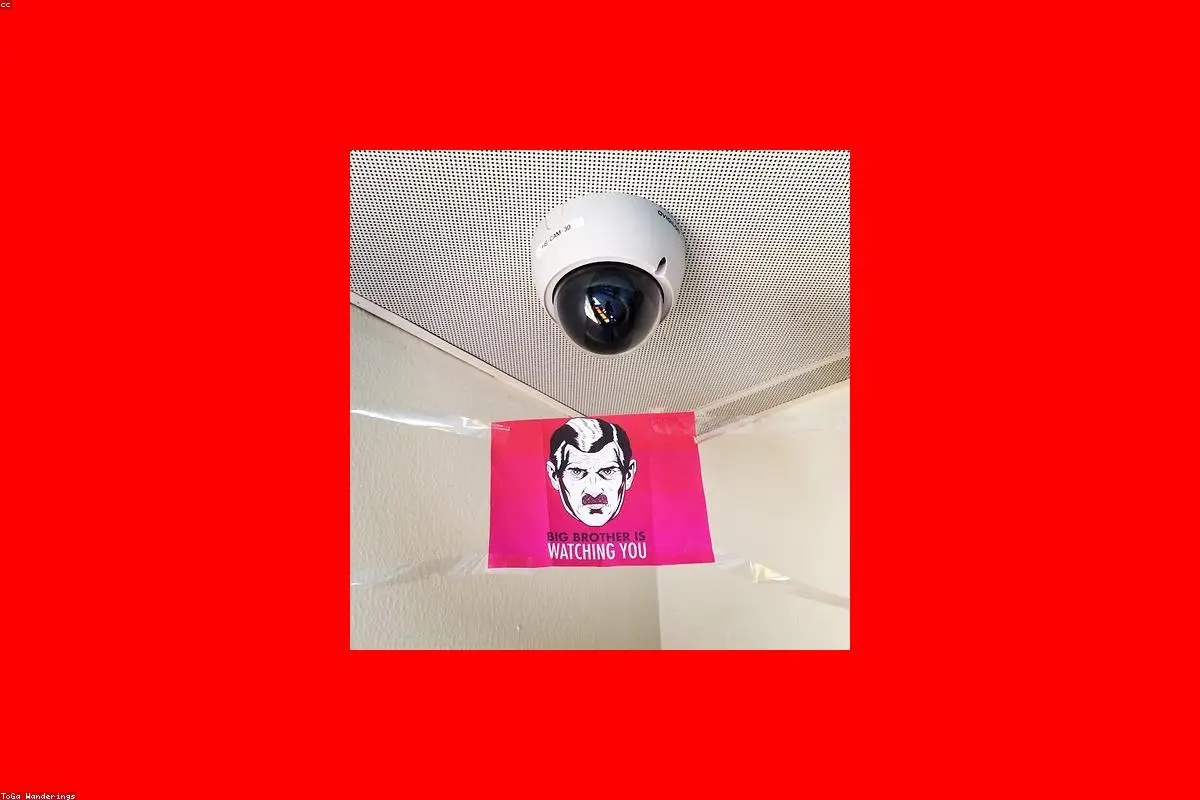
The New Face of Campus Security
Walk into any suburban high school or urban elementary building today, and you’ll likely notice something different from the schools of a decade ago. It isn’t just the tablets or the smartboards; it’s the discreet black domes of high-definition cameras and the sleek panels of weapon-detection systems flanking the main entrance. For administrators, the question is no longer whether to invest in security, but which specific technologies offer the best chance of keeping students safe without turning the campus into a fortress.
Recent data highlighted by EdWeek suggests a massive shift in how districts allocate their Education budgets. The focus has moved from passive measures, like locked doors, to proactive, algorithm-based systems designed to catch threats before they manifest. However, as these technologies become more sophisticated, they also raise difficult questions about the balance between surveillance and the nurturing environment schools are supposed to provide.
AI Weapons Detection: Moving Beyond Metal Detectors
The traditional metal detector—slow, clunky, and prone to creating long lines—is quickly being replaced by AI-powered weapons detection systems. Unlike their predecessors, these sensors use ultra-low-frequency electromagnetic fields and artificial intelligence to distinguish between a harmless laptop or a three-ring binder and a concealed firearm. This allows students to walk into the building at a natural pace, maintaining a sense of normalcy.
District leaders are betting heavily on these systems because they address one of the biggest security bottlenecks: the morning rush. By integrating these sensors with existing security cameras, schools can automatically track a potential threat through the hallways, providing real-time data to law enforcement. But this convenience comes with a high price tag, often costing tens of thousands of dollars per entrance, leading some to wonder if the money might be better spent on social workers or counselors.
The Rise of 'Silent' Communication
While hardware like cameras and sensors gets most of the headlines, the real innovation is happening in how schools communicate during a crisis. Many districts are now issuing wearable panic buttons to every teacher and staff member. These devices, often worn on a lanyard, allow a teacher to trigger a lockdown or call for medical assistance with three clicks of a button.
The benefit here is speed. In an emergency, seconds are the only currency that matters. These systems bypass the need to reach a wall-mounted intercom or a classroom phone. They can instantly override digital signage, lock smart-enabled doors, and send precise GPS coordinates of the incident to local police. This layer of 'invisible' tech provides a psychological safety net for educators, knowing that help is literally a finger-press away.
Monitoring the Digital Footprint
Safety isn't just about physical hardware at the front gate; it's increasingly about what's happening on the district's network. Behavioral monitoring software has become a staple in many IT departments. These programs scan student emails, Google Docs, and chat logs for keywords related to self-harm, violence, or bullying. When a 'red flag' is triggered, an administrator or a third-party monitoring service is notified to intervene.
Proponents argue that this technology has already saved countless lives by identifying students in the midst of a mental health crisis. Critics, however, point to the 'surveillance creep' factor. There is a valid concern that monitoring every keystroke can stifle creativity and make students feel like they are under constant suspicion, potentially damaging the trust between the student body and the faculty.
The Challenge of Implementation
Despite the rush to adopt these tools, technology is not a panacea. The effectiveness of any safety system depends entirely on the human beings operating it. A high-tech camera is useless if nobody is watching the feed, and an AI sensor is only as good as the training the staff receives to respond to its alerts. Furthermore, the rapid pace of tech development means that systems purchased today might be obsolete within five years, creating a cycle of constant reinvestment.
Budgetary constraints also create a gap between wealthy districts and those in underfunded areas. While some schools are experimenting with facial recognition and automated drone patrols, others are still struggling to repair broken door locks. This digital divide in safety technology suggests that 'security' is increasingly becoming a luxury rather than a standard right for all students.
Building a Holistic Strategy
As we look toward the future of school safety, it is clear that technology will play a central role, but it cannot be the only solution. The most successful districts are those that pair high-tech tools with high-touch human interaction. This includes robust mental health programs, threat assessment teams, and a culture where students feel comfortable reporting concerns to an adult.
Ultimately, the goal is to create an environment where the technology is present but unobtrusive—a silent guardian that allows the real work of learning and personal growth to happen without the shadow of fear. Whether these multi-million dollar bets on AI and surveillance will pay off remains to be seen, but for now, the tech-driven transformation of the American schoolhouse is well underway.