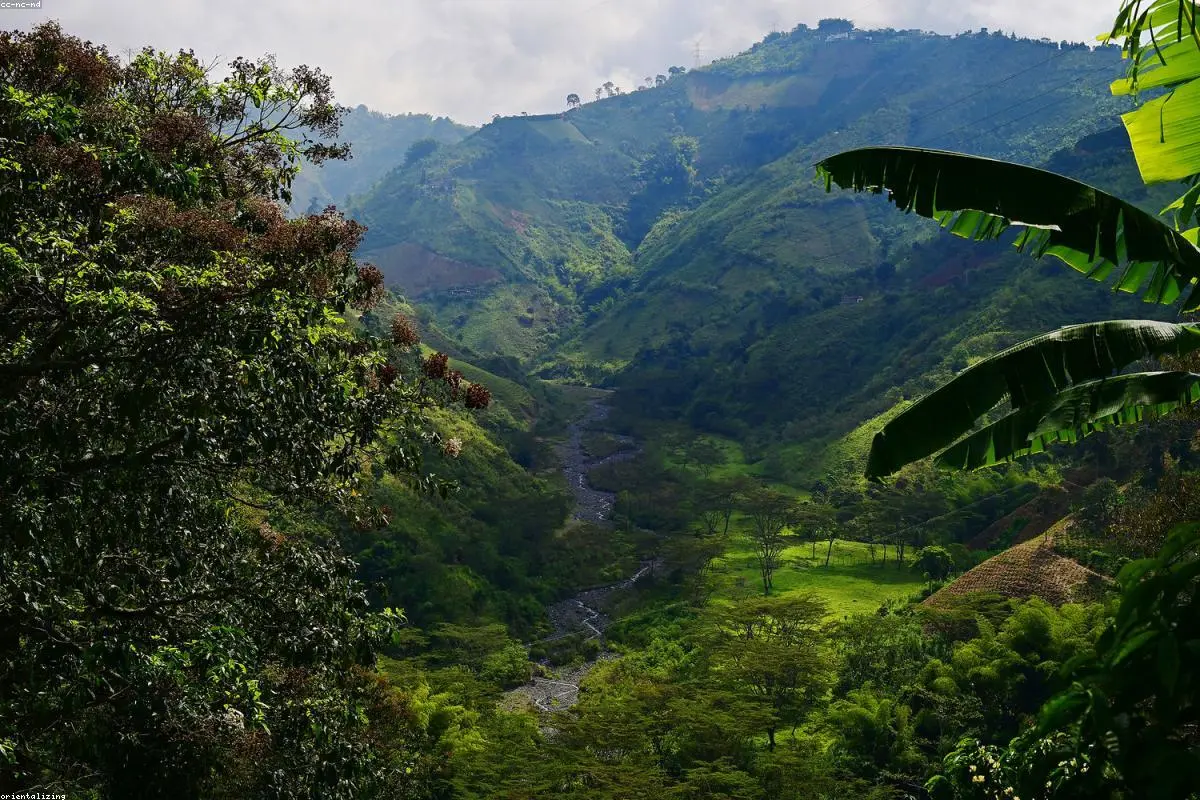
A Hidden Threat in the Heart of the Andes
For decades, the standard narrative surrounding hantaviruses has been relatively straightforward: humans get sick by breathing in dust contaminated with rodent droppings or urine. It is a frightening, often fatal respiratory illness, but one largely confined to the interaction between wildlife and people. However, a specific variant known as the Andes virus (ANDV) has fundamentally changed how epidemiologists view this family of pathogens.
Named after the mountain range where it was first identified, the Andes strain is native to parts of Chile and Argentina. While it shares many characteristics with its North American cousin, the Sin Nombre virus, it possesses a unique and troubling biological trait that sets it apart from almost every other hantavirus on the planet. Recent reports, including a detailed look by the BBC, have brought this pathogen back into the spotlight, highlighting the need for increased vigilance in global health monitoring.
The Transmission Trap: What Makes It Different?
The primary reason the Andes strain keeps public health officials awake at night is its capacity for person-to-person transmission. In the vast majority of hantavirus cases recorded globally, the virus is a "dead-end" in humans—meaning an infected person cannot pass it to another. But the Andes strain is different. During outbreaks in the Patagonian region, researchers documented instances where the virus spread among family members and healthcare workers who had no direct contact with rodents.
This shift from zoonotic (animal-to-human) to inter-human spread is a significant evolutionary leap. While the transmission isn't as efficient as something like the common cold or COVID-19, it typically occurs through close, prolonged contact, likely via respiratory droplets. This nuance makes the Andes strain a high-priority subject for researchers studying potential pandemic threats.
The Clinical Reality: Hantavirus Pulmonary Syndrome (HPS)
Contracting the Andes virus is a harrowing experience. It typically manifests as Hantavirus Pulmonary Syndrome (HPS), a severe respiratory disease. The incubation period can be deceptively long, often lasting between one to six weeks before symptoms appear. This delay makes contact tracing exceptionally difficult for local health authorities.
The illness usually begins with "flu-like" symptoms—fever, muscle aches, and fatigue. However, the progression is famously rapid. Within a few days, the patient’s lungs begin to fill with fluid, leading to severe shortness of breath and coughing. Because the virus attacks the lining of the blood vessels, it can cause a sudden drop in blood pressure and heart failure. With a mortality rate that can hover around 30% to 40%, the stakes for early diagnosis and intensive care are incredibly high.
The Role of the Long-Tailed Pygmy Rice Rat
Despite its ability to jump between humans, the virus still relies on its natural reservoir to persist in the environment. The primary culprit is the Oligoryzomys longicaudatus, more commonly known as the long-tailed pygmy rice rat. These small rodents thrive in the shrublands and forests of the southern Andes.
Fluctuations in the rat population often dictate the frequency of human outbreaks. For instance, a phenomenon known as "bamboo masting"—where bamboo species flower and produce massive amounts of seeds simultaneously—can lead to a rodent population explosion. As the food source vanishes, the rodents move closer to human dwellings in search of sustenance, increasing the risk of spillover events.
Why Environmental Changes Matter
We cannot discuss the Andes strain without looking at the broader environmental context. Climate change and deforestation are altering the habitats of these rodents, pushing them into new territories. Warmer winters can also lead to higher survival rates for the mice, meaning more viral shedding in the spring and summer months.
Furthermore, as tourism and agriculture expand deeper into the wilderness areas of South America, the interface between humans and infected wildlife grows larger. This isn't just a local issue for Chile or Argentina; in an age of global travel, a virus that can spread between people in a remote village has the potential to reach a major city within 24 hours.
Prevention and the Path Forward
Currently, there is no specific vaccine or antiviral treatment approved for the Andes virus. Management relies heavily on supportive care, often requiring mechanical ventilation in an ICU setting. This makes prevention the most effective tool in our arsenal. For residents and travelers in endemic areas, the advice is clear: rodent-proof your surroundings.
- Seal holes and gaps in homes to prevent rodent entry.
- Use gloves and masks when cleaning out barns, sheds, or cabins that have been closed for a long time.
- Disinfect suspected contaminated areas with bleach solutions rather than sweeping or vacuuming, which can kick up viral particles into the air.
- Avoid direct contact with people showing symptoms of respiratory distress if you are in a known outbreak zone.
The Andes strain serves as a potent reminder of the complexity of modern infectious diseases. It blurs the lines between wildlife ecology and human medicine, proving that we must remain vigilant against pathogens that refuse to follow the rules. As researchers continue to sequence the viral genome and develop new diagnostic tools, the goal remains the same: to stop the next leap before it begins.