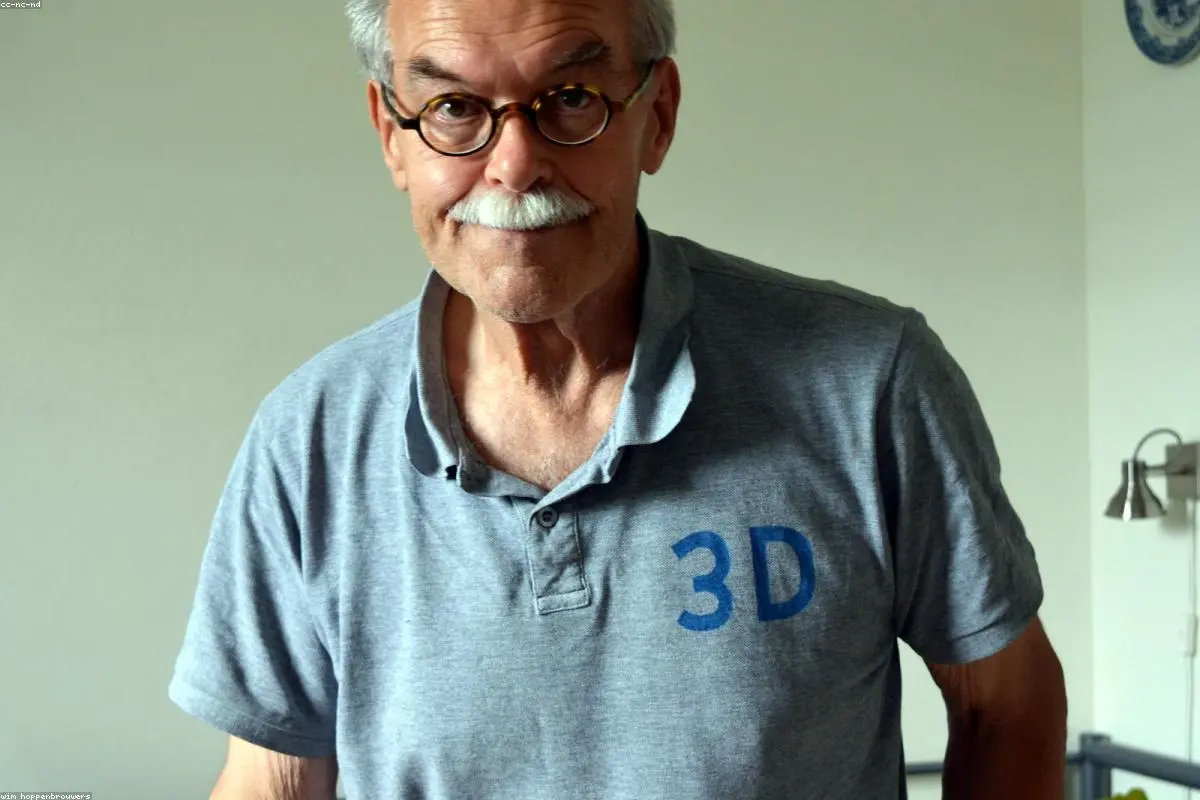
The Berlin International Film Festival has long been regarded as the most politically charged of the major European circuits. While Cannes leans into glamour and Venice embraces the prestige of awards season, the Berlinale often functions as a mirror to the world’s most pressing anxieties. However, this year, legendary filmmaker Wim Wenders is attempting to steer the conversation away from the headlines and back toward the screen.
During a high-stakes press conference where the jury was inevitably grilled on their stance regarding the conflict in Israel and Palestine, Wenders offered a perspective that felt both old-fashioned and radical. He suggested that while the world is burning, the filmmaker’s primary duty isn’t to act as a surrogate politician, but to remain a chronicler of the human condition.
The Fine Line Between Art and Activism
Wenders, who is serving as a prominent voice on this year’s jury, did not shy away from the gravity of the global situation. Instead, he challenged the notion that a film festival is the appropriate venue for geopolitical resolutions. “We have to stay out of politics,” Wenders remarked, emphasizing that the unique power of cinema lies in its ability to bridge gaps that policy and rhetoric cannot.
His core argument is that filmmakers have a specific mandate: “to do the work of people, not the work of politicians.” This distinction is crucial in an era where social media demands an immediate, often polarized stance on every global event. For Wenders, the “work of people” involves empathy, nuance, and the messy, non-binary reality of individual lives—elements that are frequently lost in political discourse.
According to reports from Variety, the atmosphere at the press conference reflected the immense pressure placed on cultural institutions today. As the industry navigates a complex landscape in entertainment, the expectation for artists to serve as moral arbiters has never been higher.
The Berlinale’s Identity Crisis
The Berlinale has historically embraced its reputation as a forum for protest. From the Red Carpet to the award speeches, the festival often serves as a megaphone for marginalized voices. Yet, Wenders’ comments suggest a growing concern that the art itself might be getting drowned out by the noise of the discourse.
By advocating for a focus on the “work of people,” Wenders is likely referencing his own cinematic philosophy—one that has given us masterpieces like Paris, Texas and Wings of Desire. These films don’t offer policy prescriptions; they offer a profound look at loneliness, connection, and the spiritual architecture of our cities. When a filmmaker adopts the mantle of a politician, they risk trading timeless truth for timely propaganda.
- Universal vs. Particular: Politics often focuses on what divides us; cinema, at its best, focuses on what connects us.
- The Longevity of Art: Political slogans have a shelf life, but human stories resonate across generations.
- The Danger of Echo Chambers: Wenders warned that bringing rigid political agendas into the jury room can stifle the appreciation of pure craft.
A Necessary Recalibration?
The reaction to Wenders’ statement has been mixed. Some critics argue that in 2026, the luxury of being “apolitical” simply does not exist. They contend that the very act of choosing which stories to tell—and whose voices to amplify—is a political act in itself. From this perspective, Wenders’ plea for neutrality might seem like a retreat from responsibility.
However, many in the industry find his stance refreshing. There is a palpable exhaustion among creators who feel they must pass a political litmus test before their work can be evaluated on its artistic merits. If every film is reduced to its political utility, we lose the capacity for wonder and the ability to see the “other” as anything more than an ideological opponent.
Wenders isn't suggesting that filmmakers should be blind to the world’s suffering. Rather, he is suggesting that the way they engage with that suffering should be through the lens of individual humanity. A film about a family navigating the hardships of a war zone does the “work of people” by making their pain visceral and relatable; a political manifesto about that same war often does the opposite by abstracting the victims into statistics or symbols.
The Path Forward for the Jury
As the jury begins the difficult task of selecting winners for the Golden and Silver Bears, Wenders’ philosophy will undoubtedly cast a long shadow. The challenge will be to find films that manage to be relevant without being didactic. Can a film address the tragedy in the Middle East without becoming a partisan tool? Wenders seems to believe it can, provided the filmmaker remembers their primary allegiance is to the human spirit.
This dialogue arrives at a turning point for international festivals. As they struggle to remain relevant in a fragmented media environment, the temptation to lean into controversy is strong. But if Wenders is right, the true path to relevance isn't through joining the political fray, but by providing a sanctuary from it—a place where the “work of people” remains the highest priority.
In the coming days, as the winners are announced, we will see if the jury has followed Wenders’ lead. Regardless of the outcome, his comments have sparked a necessary conversation about where the artist's duty ends and the citizen's duty begins. In a world that demands we take sides, perhaps the most courageous thing a filmmaker can do is take the side of humanity.