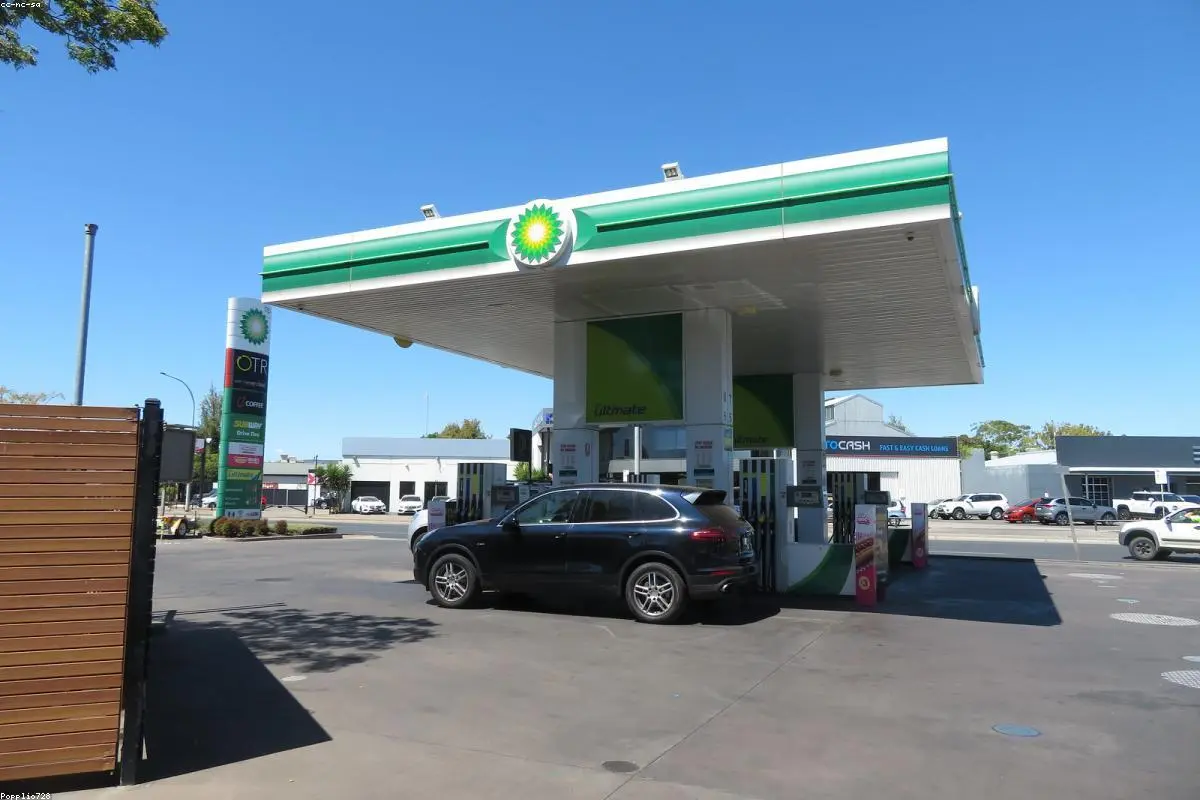
The Breaking Point at the Forecourt
For most drivers, pulling into a petrol station has become a ritual of anxiety. The rolling digits on the pump display seem to climb faster than ever, and the final total often leaves a bitter taste. But while the frustration of the motoring public is palpable, a darker trend is emerging behind the plexiglass counters of Britain’s independent forecourts. Owners who are already struggling with razor-thin margins report that their staff are being subjected to a relentless wave of verbal abuse, threats, and hostility.
The narrative often pushed on social media suggests that local retailers are 'cashing in' on global instability. However, the reality on the ground tells a much more nuanced—and frankly, more desperate—story. Retailers argue that far from profiteering, they are caught in a pincer movement between volatile wholesale costs and a public that has reached its breaking point.
Thin Margins and Misplaced Blame
It is easy to look at a price of 150p or 160p per litre and assume the person behind the till is pocketing a fortune. In reality, the vast majority of that cost is swallowed up by fuel duty, VAT, and the wholesale price set by oil giants and refineries. For many independent stations, the actual profit margin on a litre of fuel can be as low as a few pence—sometimes even less after credit card fees and electricity costs for the pumps are factored in.
"People see the price go up by 2p overnight and assume I’ve decided to buy a new car," says one independent owner who wished to remain anonymous. "They don't see the invoice I just received from the distributor. We are often the last to know about price drops and the first to feel the squeeze when global markets spike." This disconnect between public perception and commercial reality is creating a toxic environment for workers who have no control over the global oil market.
The situation has become so dire that industry bodies are calling for greater transparency. For those following the broader economic trends in the Business sector, it is clear that the inflationary pressures hitting the pumps are the same ones driving up costs in every other aisle of the economy. Small business owners are not the architects of this inflation; they are often its most visible victims.
The Toll on Frontline Staff
While the financial struggle is a significant concern for owners, it is the psychological toll on staff that is causing the most alarm. Employees, many of whom are working for near-minimum wage, are frequently find themselves at the receiving end of aggressive outbursts. According to a recent report by the BBC, the level of animosity has reached a point where staff retention is becoming a genuine challenge for the industry.
Retail workers describe being shouted at, called thieves, and in some extreme cases, being physically intimidated over prices they have no power to change. This isn't just a matter of 'grumpy customers'; it is a systemic breakdown of civility fueled by economic desperation. When a family is struggling to choose between filling the tank to get to work or buying groceries, the person standing behind the counter becomes an easy, albeit unfair, target for that redirected rage.
Why Prices Don't Always Drop Quickly
One of the primary sources of customer anger is 'feather and rocket' pricing—the phenomenon where pump prices rocket up when oil prices rise but drift down like a feather when they fall. While the Competition and Markets Authority (CMA) has previously raised concerns about the pricing strategies of major supermarkets, independent retailers often operate on a different timeline.
- Stock Turnover: Smaller stations might only receive a fuel delivery once a week. If they bought that fuel at a high price, they cannot afford to lower their pump price until they have sold through that expensive stock.
- Operating Overheads: The cost of keeping the lights on and the pumps running has surged. Unlike major chains, independents cannot always offset fuel losses with high-volume grocery sales.
- Local Competition: In rural areas, the lack of competition means higher transport costs to get the fuel to the station in the first place.
Instead of profiteering, many local stations are actually diversifying just to stay afloat. The shift toward high-quality coffee, local produce, and parcel collection services isn't a luxury—it's a survival strategy. For many, the 'shop' side of the business is the only thing keeping the 'fuel' side from going under.
A Call for Empathy and Reform
Addressing this issue requires a two-pronged approach. First, there is a desperate need for better consumer education regarding how fuel is priced in the UK. Understanding that the government takes a massive chunk of every litre sold might help redirect some of the frustration toward policy rather than the local shopkeeper.
Second, there is the human element. No one should have to go to work fearing they will be abused for factors beyond their control. As we navigate these turbulent economic waters, maintaining a level of basic respect for service workers is essential. The person behind the counter is likely feeling the same cost-of-living squeeze as the person in the car.
The road ahead for independent fuel retailers remains uncertain. As the UK moves toward electrification and the global energy market remains volatile, these small businesses are facing an existential crisis. If we want our local communities to retain these essential services, we must stop treating the people who run them as the enemy. Profiteering is a serious accusation, but in the case of your local independent forecourt, the numbers simply don't support the outrage.