The Shifting Paradigm of Modern Wellness
For decades, the standard approach to medicine followed a relatively linear path: a patient feels a symptom, a doctor provides a diagnosis, and a prescription is written. However, as we take a deeper look Inside Health, it becomes clear that this model is undergoing a radical transformation. Today, the conversation is moving away from simply managing illness and toward a holistic understanding of how our environments, genes, and daily habits converge to dictate our long-term vitality.
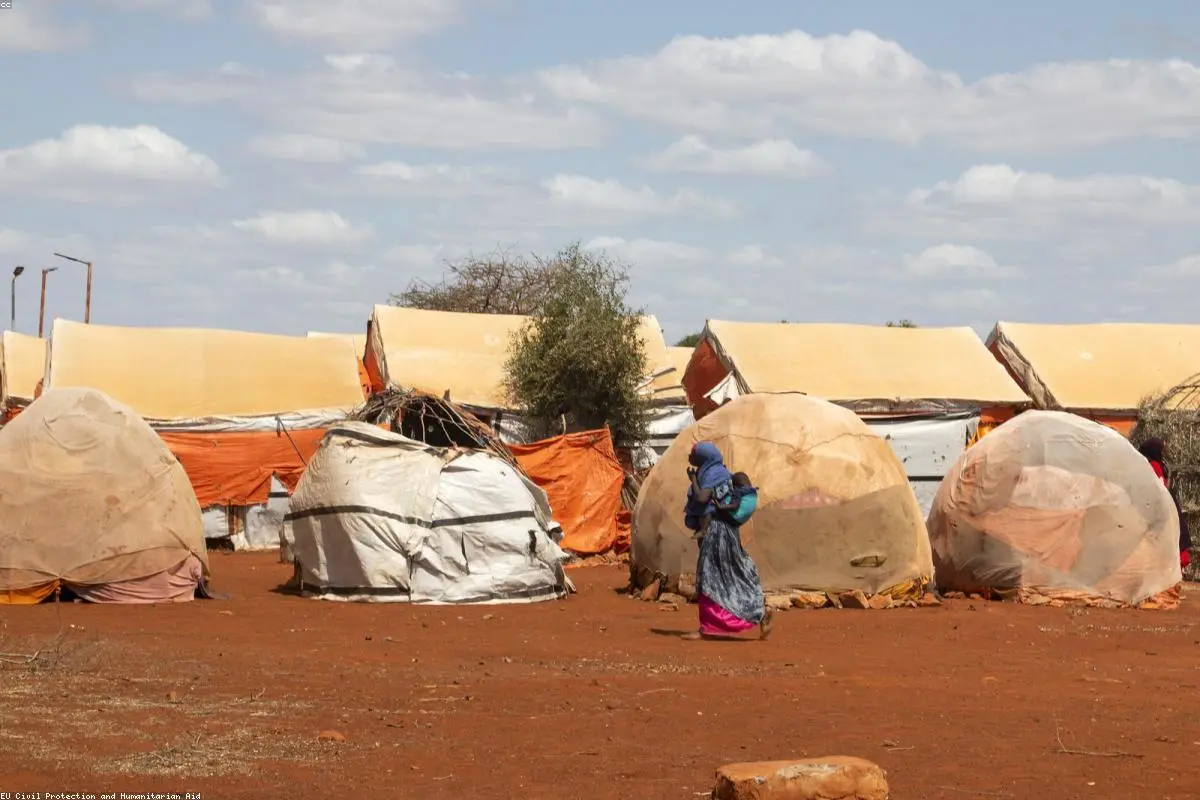
This shift isn't just about the technology we use; it's about the questions we ask. Medical professionals are increasingly looking at the 'social determinants of health'—the conditions in which people are born, grow, live, and work. When we analyze the current state of global health, we see that the most effective interventions often happen outside the walls of a hospital. From urban planning that encourages movement to food security initiatives, the definition of 'medical care' is expanding in ways that were once considered fringe but are now essential.
The Balance of Technology and Touch
Artificial intelligence and wearable technology have undoubtedly brought us to a new frontier. We can now track our heart rate variability, sleep cycles, and even blood glucose levels in real-time. This democratization of data empowers patients, allowing them to enter a doctor's office with a wealth of personal metrics. Yet, there is a growing concern among practitioners that we might be trading human intuition for digital precision.
The nuance of a physical examination—the way a patient moves or the subtle tone in their voice—provides diagnostic clues that an algorithm might overlook. As discussed in recent medical circles and highlighted by insights from BBC’s Inside Health, the challenge for the next generation of clinicians is to integrate these high-tech tools without losing the 'high-touch' essence of care. It is the synthesis of data and empathy that truly defines medical excellence in the 21st century.
Addressing the Longevity Gap
One of the most pressing issues in contemporary medicine is the widening gap in life expectancy across different demographics. It is no longer enough to celebrate that humans are living longer; we must address why some communities are thriving while others face chronic health crises. This disparity highlights the need for a healthcare system that is as much about equity as it is about biology.
- Preventative Screening: Increasing access to early detection for cardiovascular issues and metabolic diseases.
- Mental Health Integration: Treating psychological well-being as a pillar of physical health rather than a separate concern.
- Environmental Health: Recognizing the impact of air quality and green space on community-wide health outcomes.
By focusing on these pillars, we can begin to close the longevity gap. The goal is to ensure that 'health span'—the years we spend in good health—matches our actual life span. This requires a systemic rethink of how we allocate resources, moving funding away from late-stage interventions and toward early-stage prevention.
Redefining the Patient-Provider Relationship
The traditional hierarchy of the doctor-patient relationship is also being dismantled. We are entering an era of 'participatory medicine,' where patients are viewed as experts in their own lived experiences. This collaborative approach leads to better adherence to treatment plans and higher levels of patient satisfaction. When a patient feels heard, their physiological stress levels decrease, which in itself is a catalyst for healing.
Communication is the cornerstone of this new dynamic. Doctors are being trained not just in pathology, but in active listening and cultural competency. This ensures that a diagnosis is not just scientifically accurate, but also personally relevant to the individual receiving it. In a world where medical information is ubiquitous online, the doctor’s role has evolved into that of a navigator—helping patients filter through the noise to find what truly matters for their specific health journey.
The Path Ahead
Looking forward, the landscape of health will likely be defined by our ability to manage complexity. Whether it is the rise of personalized genomic medicine or the management of post-pandemic chronic conditions, the solutions will not be found in a single pill or a single policy. Instead, they will emerge from a multidisciplinary approach that respects both the science of the body and the spirit of the person.
Ultimately, getting 'inside health' means peeling back the layers of bureaucracy and clinical jargon to remember why medicine exists in the first place: to support the human capacity for a meaningful, vibrant life. As we continue to innovate, the most successful health systems will be those that prioritize connection just as much as they prioritize the cure.