A New Chapter in Aerial Warfare
The night sky over the Middle East recently turned into a high-stakes laboratory for modern warfare. When Iran launched a multi-layered retaliation against Israel, it wasn’t just a localized skirmish; it was a stress test for a decade’s worth of Western military doctrine. For years, the United States and its allies have relied on sophisticated, high-cost interceptors to maintain a bubble of safety over the region. However, as the dust settles, military analysts are looking past the successful interceptions to a more troubling reality: the current model of air defense might be nearing its breaking point.
According to reports contextualized by the BBC, the scale of the Iranian operation—utilizing hundreds of drones, cruise missiles, and ballistic missiles—has shifted the conversation from tactical success to long-term strategic viability. While the headline figures suggest a defensive victory, the underlying math tells a much more complicated story for International security frameworks.
The Problem of Symmetrical Cost
One of the most pressing issues highlighted by the recent escalation is the staggering cost imbalance. Iran’s strategy relies heavily on mass-produced, relatively inexpensive Shahed-style drones. These devices, which can cost as little as $20,000 to $50,000, are being used to draw out interceptor missiles that cost millions of dollars each. When the US launches an SM-3 or a Patriot missile to knock a cheap drone out of the sky, it is winning the battle but potentially losing the economic war of attrition.
This "cost curve" problem isn't just a matter of budgets; it’s a matter of inventory. The United States does not have an infinite supply of high-end interceptors. In a sustained conflict, an adversary could theoretically exhaust a defender’s magazine simply by flooding the zone with low-tech decoys and drones, leaving the more expensive assets vulnerable to the follow-up wave of high-speed ballistic missiles.
The Regional Shield and Its Fragility
The defense against Iran’s retaliation wasn’t a solo effort. It required a complex, choreographed dance between US, Israeli, British, and French forces, as well as critical intelligence and fly-over permissions from regional Arab partners. You can find more analysis on these shifting geopolitical alliances in our International section. While this coalition proved effective this time, it raises questions about the reliability of such a network in the future.
Political shifts within neighboring countries could easily fracture this defensive shield. If a regional partner decides the political cost of assisting the West is too high, the geographical gaps created in the radar and interceptor coverage could provide the very opening an adversary needs. The US is now faced with the challenge of formalizing these ad-hoc alliances into something more permanent and resilient, which is no small feat in the volatile landscape of Middle Eastern diplomacy.
Technological Gaps and the Path Forward
To address these emerging threats, the US military is being pushed to accelerate the development of non-kinetic and low-cost defensive measures. The era of relying solely on expensive missiles may be coming to an end. Military planners are now looking toward several key areas:
- Directed Energy Weapons: Using lasers to burn through drone sensors or hulls at the cost of only a few dollars per shot.
- Electronic Warfare: Jamming GPS and communication signals to send drones off course without firing a single shot.
- High-Powered Microwaves: Systems capable of frying the electronics of an entire swarm of drones simultaneously.
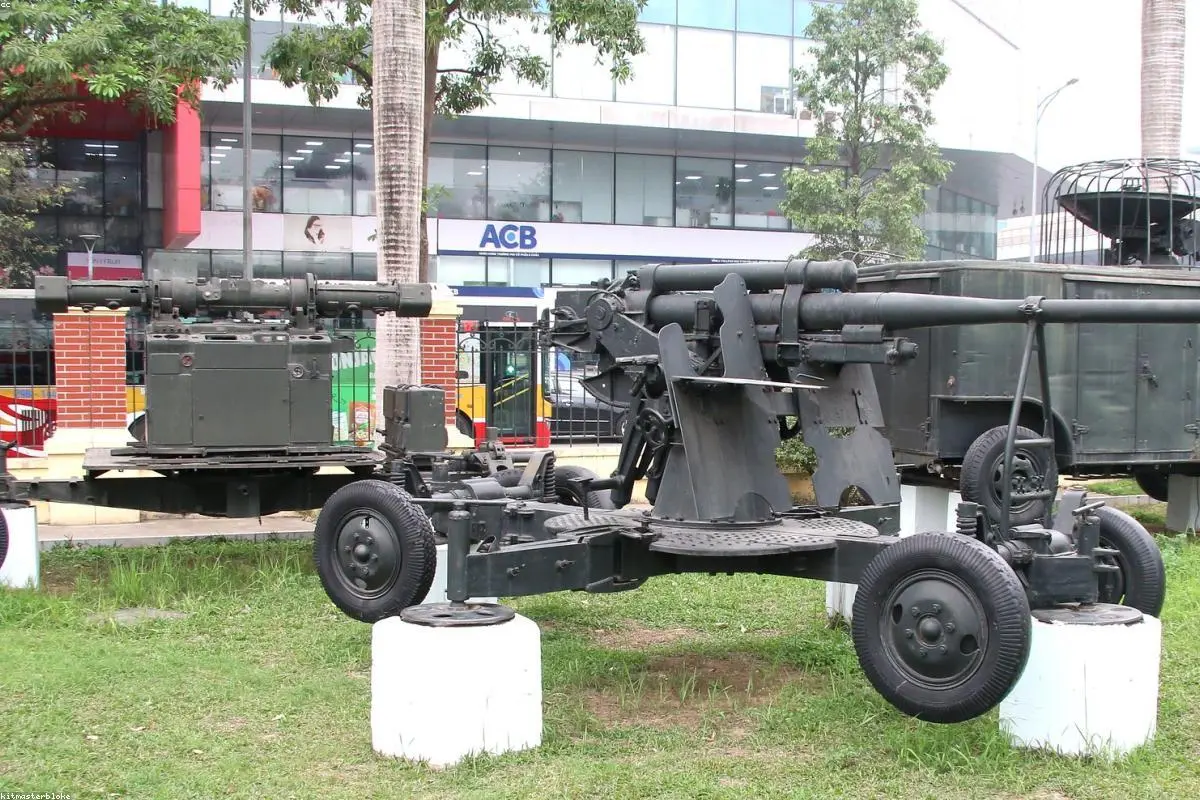
- Kinetic Gun Systems: A return to modernized anti-aircraft cannons that use programmable ammunition to take down targets at a fraction of the cost of a missile.
A Global Lesson
The implications of this shift extend far beyond the borders of the Middle East. Strategic competitors in other parts of the world are undoubtedly watching the performance of US air defenses with keen interest. The Iranian retaliation served as a proof-of-concept for "saturation warfare"—the idea that quantity has a quality of its own. If a regional power can stress-test the most advanced defense system in the world, the question becomes how the US would fare against a peer competitor with even greater industrial capacity.
Moving forward, the Pentagon will likely re-evaluate its procurement strategies. The focus is shifting from "exquisite" systems—few in number but highly capable—to a more balanced "high-low" mix. This means maintaining the elite capabilities needed to stop ballistic missiles while vastly increasing the number of affordable systems capable of handling the drone swarms of tomorrow. The recent events haven't just raised questions about hardware; they have demanded a complete rethink of how the US protects its interests and its allies in an increasingly crowded sky.