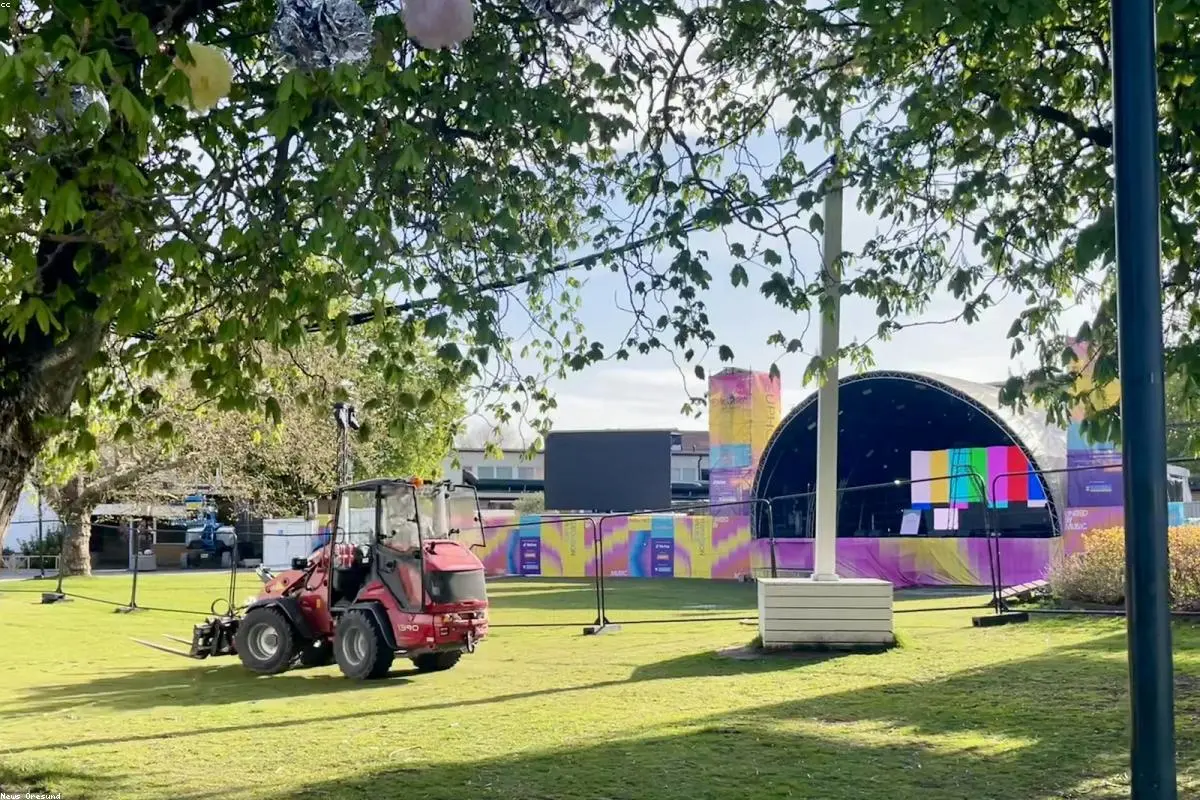
The Eurovision Song Contest has always occupied a strange space in the global cultural consciousness. Part kitsch spectacle, part high-stakes diplomatic maneuvering, its motto, "United by Music," has long been a hopeful banner for a continent often divided by history. But during the 2024 contest in Malmö, Sweden, that banner felt frayed, if not entirely torn. The fallout surrounding Israel’s participation amidst the ongoing conflict in Gaza didn't just cause a temporary stir; it exposed fundamental cracks in the way the event is governed.
Walking through the streets of Malmö during the final week, the atmosphere was a far cry from the typical sequins-and-rainbow-flags celebration. Instead, the city was defined by heavy police presence, drone surveillance, and thousands of protesters. The dissonance between the upbeat pop numbers on stage and the visceral anger outside was impossible to ignore. According to reports from the BBC, the sheer scale of the backlash has forced the European Broadcasting Union (EBU) into a period of soul-searching that may lead to the most significant structural changes in the contest's 68-year history.
The Myth of the 'Apolitical' Stage
For years, the EBU has maintained a strict stance that Eurovision is a non-political event. It’s a rule that sounds noble in theory but has become increasingly difficult to enforce in practice. The EBU’s decision to allow Israel to compete—while having banned Russia just two years prior following the invasion of Ukraine—created a narrative of inconsistency that many fans and competing artists found impossible to reconcile.
Critics argue that by attempting to remain neutral, the EBU inadvertently took a side. This perceived double standard sparked a series of events that nearly derailed the grand final. We saw artists using their platforms for subtle (and not-so-subtle) messages, a press room thick with tension, and a notable absence of the usual camaraderie between delegations. It wasn't just about the music anymore; it was about the ethics of the platform itself. This tension is a growing trend in the international community, where cultural institutions are increasingly being asked to take moral stands on global conflicts.
A Pressure Cooker for Artists
The 2024 contest will likely be remembered as the "joyless Eurovision" for those involved behind the scenes. Artists who usually spend the week in a whirlwind of parties and press found themselves navigating a minefield. Ireland’s Bambie Thug and Switzerland’s Nemo were vocal about the immense pressure and the "toxic" atmosphere backstage. The disqualification of the Netherlands' Joost Klein—though officially unrelated to the Israel controversy—only added fuel to the fire, creating a sense of a competition spiraling out of control.
When the performers themselves begin to speak out against the organizers, the brand is in trouble. The EBU depends on the goodwill of national broadcasters and the enthusiasm of the performers. If the talent begins to view Eurovision as a reputational risk rather than a career-making opportunity, the quality of the competition will inevitably decline. We are seeing a shift where the "Eurovision bubble" has finally burst, letting the harsh realities of global geopolitics flood in.
Can the Competition Survive Its Own Rules?
The fallout has sparked a demand for a total overhaul of how the EBU handles sensitive political situations. Several national broadcasters have already called for a review of the rules, suggesting that the current framework is no longer fit for purpose. Here are a few ways the competition might change forever:
- Redefining Neutrality: The EBU may have to create a more transparent, objective set of criteria for participation to avoid accusations of bias.
- Crisis Management: A shift in how the EBU communicates with the public and the press, moving away from stony silence toward active engagement.
- Delegation Conduct: Stricter rules regarding how delegations interact with one another to prevent the "toxic" environments reported this year.
- Focus on Sustainability: Not just environmentally, but socially—ensuring the host city and the artists are not placed in untenable positions.
Despite the chaos, the contest still draws an audience of over 160 million people. That massive reach is exactly why the stakes are so high. It remains one of the few moments where the world watches the same thing at the same time. However, the EBU can no longer rely on the "it’s just a song contest" defense. In a hyper-connected world, everything is political, and Eurovision’s attempts to pretend otherwise have reached a breaking point.
The Road Ahead
As we look toward the 2025 contest in Switzerland, the organizers have a monumental task. They must find a way to heal the rift between the fans, the artists, and the institution itself. If they fail to address the grievances of 2024, they risk a permanent boycott from both performers and viewers. The competition needs to decide what it wants to be: a relic of a simpler time that no longer exists, or a modern, transparent event that acknowledges its place in a complex global landscape.
The legacy of the Malmö fallout won't be found in the scoreboard, but in the meeting rooms of Geneva and beyond. Whether Eurovision can recapture its spirit of unity remains to be seen, but one thing is certain: the era of the apolitical pop contest is officially over. The world has changed, and Eurovision must finally change with it.


