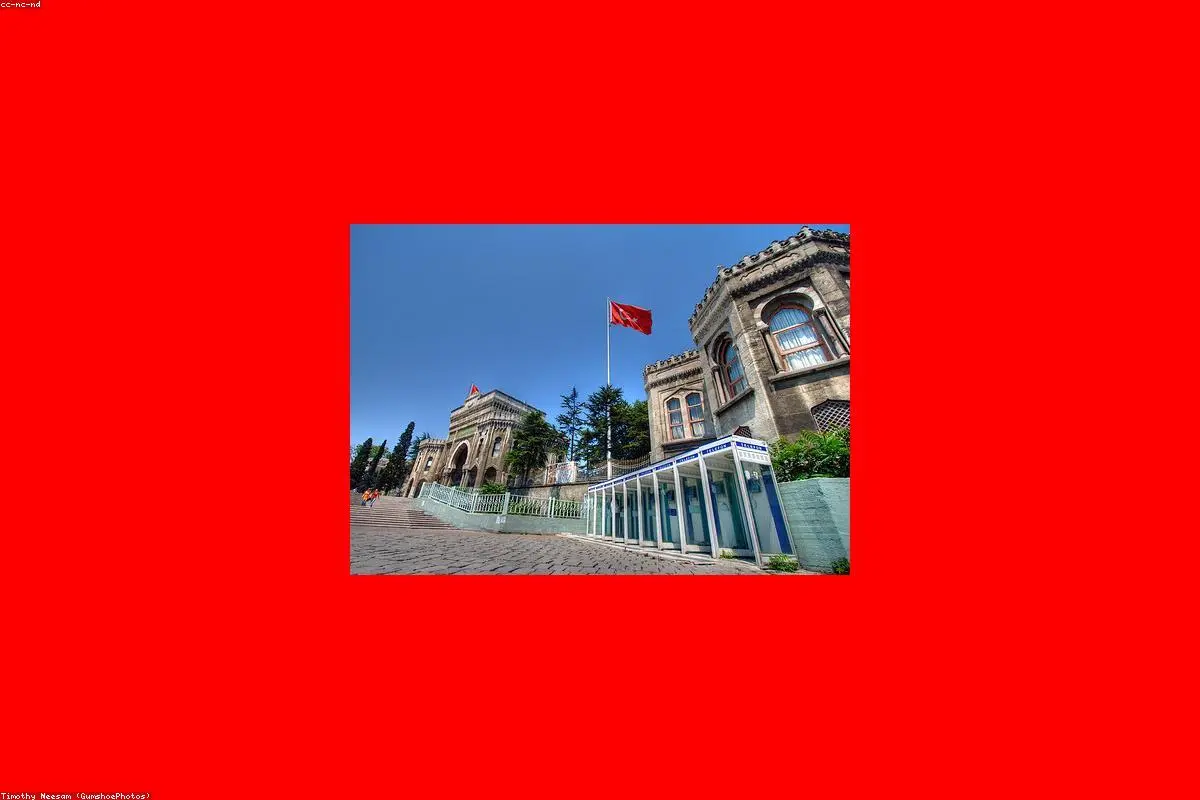
A City Under the Judicial Spotlight
Istanbul has always been more than just a geographic crossroads; it is the beating heart of Turkey’s economy and the ultimate prize in its political arena. Recent news that a former mayor of this sprawling metropolis is set to stand trial on corruption charges has sent ripples through the city’s historic streets, signaling a potentially seismic shift in how public accountability is handled in the region.
The allegations, which center on the mismanagement of public funds and irregularities in municipal tenders, come at a time when the Turkish public is increasingly sensitive to economic transparency. While the legal process is only just beginning, the narrative surrounding the trial is already being shaped by both supporters and critics of the former administration. This isn't just a local legal matter; it is a story that resonates across the International stage, where observers are keen to see how Turkey’s judiciary handles high-stakes political cases.
The Architecture of the Allegations
At the core of the prosecution's case are several high-value contracts awarded during the former mayor's tenure. Investigators suggest that the bidding processes for major infrastructure and service projects were not as competitive as they should have been. Instead, the charges imply a pattern of favoritism that directed public money toward a specific circle of associates, bypassing the standard protocols designed to ensure the best value for taxpayers.
According to reports from the BBC, the scope of the investigation includes not only the mayor but several high-ranking municipal officials who were instrumental in the day-to-day operations of the city’s vast bureaucracy. This suggests that the trial will look beyond individual actions to examine whether there was a systemic failure within the municipal governance structure of the time.
Key points of the investigation include:
- Tendering Irregularities: Allegations that specific companies were given unfair advantages during the bidding process for city-wide services.
- Misallocation of Funds: Questions regarding the movement of budgets intended for public works into private or politically motivated projects.
- Administrative Overreach: Whether executive powers were used to bypass the checks and balances of the municipal council.
The Political Weight of Istanbul
Transitioning from the technicalities of the law to the reality of the streets, one cannot ignore the political gravity this trial carries. In Turkey, there is a common saying: "He who wins Istanbul, wins Turkey." For decades, the city has served as a launchpad for national political careers, and the control of its resources is often equated with political survival. Therefore, when a former leader of this city faces the court, the trial is inevitably viewed through a partisan lens.
For the current administration, the trial serves as a testament to their commitment to cleaning up the "old ways" of doing business. Conversely, supporters of the former mayor often view such legal maneuvers as politically motivated attempts to sideline opposition figures or tarnish the legacy of past leadership. Navigating these conflicting narratives requires a careful look at the evidence presented in the courtroom versus the rhetoric heard on the campaign trail.
International Perceptions and Economic Impact
The eyes of the world are often fixed on Turkey’s legal system as a barometer for its democratic health. When high-profile figures are brought to trial, it often triggers a wider discussion about the independence of the judiciary and the rule of law. Investors, in particular, watch these developments closely. Corruption, or even the perception of it, can be a major deterrent for foreign direct investment, making the transparency of this trial a matter of economic importance as much as a legal one.
The international community is looking for a process that is seen as fair, thorough, and free from executive interference. If the trial is handled with a high degree of transparency, it could actually bolster confidence in Turkey’s institutional stability. However, if it is perceived as a mere political instrument, it may further complicate Turkey’s relations with its Western allies and international financial institutions.
The Road Ahead for the Bosphorus
As the trial date approaches, the people of Istanbul find themselves in a familiar position of waiting and watching. The city has survived centuries of change, and while its leaders come and go, the demand for better governance remains a constant. This legal battle is a reminder that the management of a mega-city requires more than just vision; it requires a rigorous adherence to the law.
Whether this trial ends in a conviction or an acquittal, its legacy will likely be measured by the reforms it inspires. Will it lead to more stringent oversight of municipal tenders? Will it encourage a more vocal civil society to demand accountability? For now, the gavel is ready to fall, and the answers to those questions will depend on what happens within the four walls of the courtroom in the coming months.


