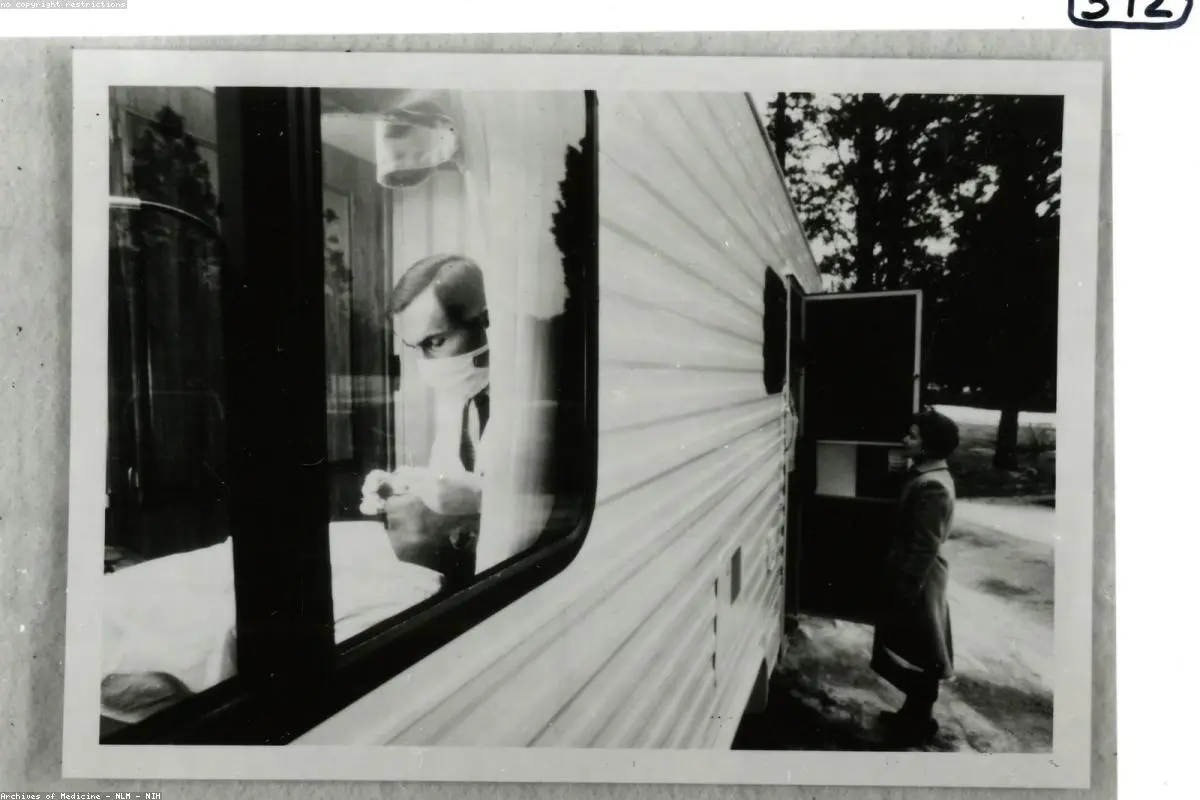
The Invisible Safety Net Under Strain
For most new parents, the health visitor is the first professional link to a world of support outside the hospital walls. They are the trained eyes that spot the early signs of postnatal depression, the experts who guide a struggling mother through breastfeeding challenges, and the frontline safeguard against domestic or child abuse. But across the UK, this vital safety net is being stretched to a point where it is no longer just fraying—it is snapping.
Recent reports have highlighted a staggering reality: some health visitors are now expected to manage caseloads of up to 1,000 families. To put that into perspective, the Institute of Health Visiting (iHV) traditionally recommends a ratio of one professional to 250 families to ensure a safe and effective service. When that number quadruples, the proactive, preventative care that defines the profession becomes a logistical impossibility.
The Human Cost of a Number
It is easy to get lost in the statistics of the NHS crisis, but behind the '1,000-family' figure are thousands of missed opportunities. Health visiting is, at its core, a relationship-based service. It relies on trust and the time required to see what isn't being said during a home visit. When a practitioner is forced to rush from one appointment to the next, or worse, conducts visits only over the phone, those subtle cues of a family in distress are easily overlooked.
The impact of this shortage is felt most acutely in the 'First 1,001 Days'—a critical window for a child’s brain development and emotional well-being. During this period, early intervention can prevent a lifetime of health and social issues. However, with current staffing levels, many families are receiving only the bare minimum of mandated checks, leaving thousands of children without the developmental support they desperately need. You can find more analysis on the evolving challenges within the public sector by visiting our Health section.
A Workforce Pushed to the Edge
The professionals themselves are facing a crisis of 'moral injury.' This occurs when staff are forced to provide a level of care that falls far below their own professional standards. It isn't just about being tired; it's the psychological weight of knowing that a child might be at risk because you simply didn't have the time to follow up on a red flag.
- Retention Issues: Experienced health visitors are leaving the profession in droves, citing burnout and the inability to do their jobs safely.
- Recruitment Gaps: As the workload becomes more daunting, fewer nurses are choosing to specialize in health visiting, creating a self-perpetuating cycle of shortage.
- Postcode Lottery: The quality of care a family receives is increasingly dependent on where they live, with some local authorities seeing much sharper cuts than others.
According to reports from the BBC, the situation has become so dire that unions and professional bodies are now calling for mandatory national caseload limits. They argue that without a legally protected cap, the service will continue to dwindle until it is little more than an emergency-only response unit.
The Economic Argument for Change
While the immediate focus is often on the cost of hiring more staff, the long-term economic cost of not investing in health visitors is significantly higher. Early identification of speech and language delays, for instance, allows for interventions that prevent the need for expensive special educational needs support later in life. Similarly, identifying maternal mental health issues early can prevent family breakdown and long-term psychiatric care.
By starving the community health sector of resources, the system is essentially pushing costs further down the road. The pressure then falls on GPs, A&E departments, and social services—all of which are already operating at maximum capacity. Investing in health visitors isn't just a matter of compassion; it's a strategic necessity for the sustainability of the wider healthcare system.
Looking Forward: What Needs to Happen?
The call for a limit on caseloads is the first step in a much larger conversation about how we value preventative medicine. Advocates are pushing for a multi-year funding settlement that allows for long-term workforce planning rather than the 'sticking plaster' approach of the last decade. There is also a push for better data collection to truly understand the scale of the unmet need across different regions.
The bottom line is that the current trajectory is unsustainable. If we expect health visitors to protect the most vulnerable members of society, we must first provide them with a framework that makes that protection possible. A 1,000-family caseload isn't a challenge to be overcome with 'resilience'—it is a systemic failure that requires an immediate, national response. Without change, the 'invisible safety net' may soon disappear entirely, leaving a generation of families to navigate the complexities of early parenthood alone.