The Massive Problem Hiding in Our Kitchens
Global food waste is a staggering issue that often feels too big to solve. Every year, roughly one-third of all food produced for human consumption is lost or wasted. This isn't just a waste of calories; it’s a waste of the water, land, and energy used to grow it. However, a growing movement of scientists and chefs is looking backward to find a way forward, reviving a 2,000-year-old Japanese technique that transforms unwanted scraps into culinary treasures.
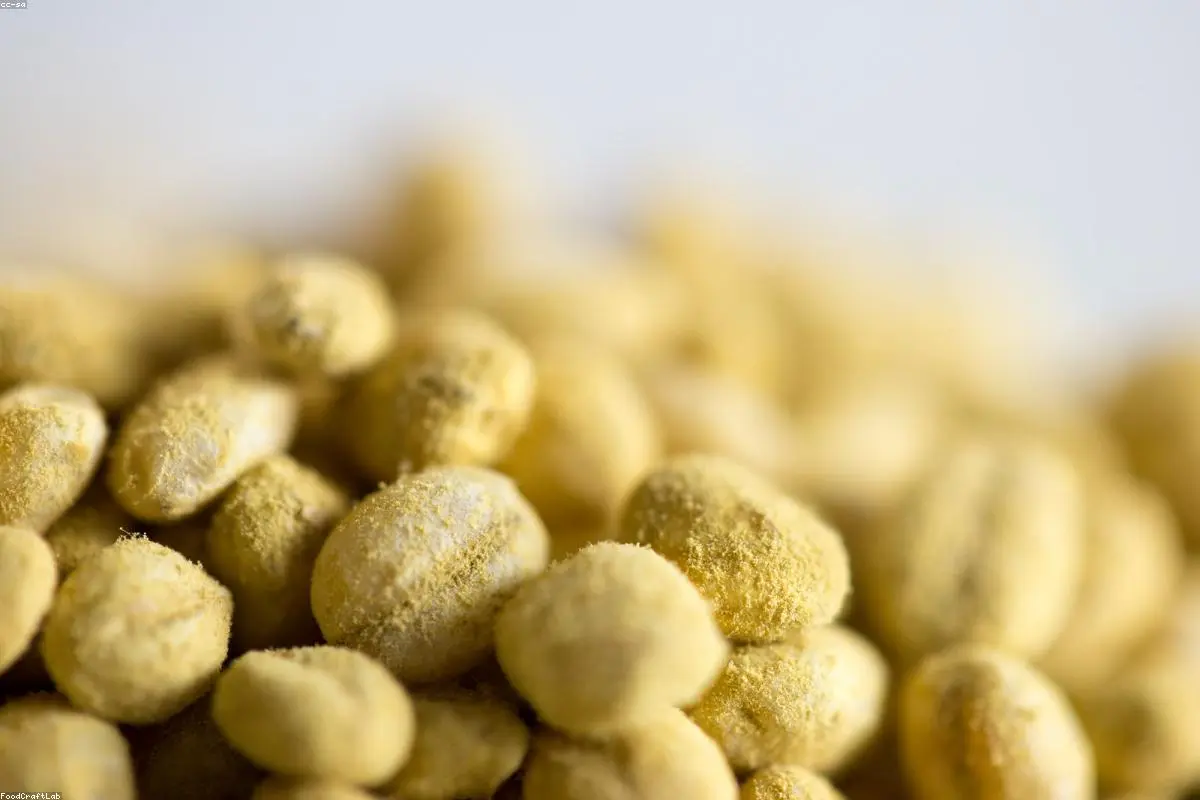
The secret lies in a noble mold known as Aspergillus oryzae, or more commonly, koji. While many people associate mold with food spoilage, this specific variety is the engine behind some of the world’s most beloved flavors, including soy sauce, miso, and sake. Today, it is being repurposed as a powerful tool for sustainability, proving that what we once considered 'trash' might actually be the missing ingredient in a five-star meal.
The Biological Magic of Koji
Koji works by releasing a cocktail of enzymes—proteases and amylases—that break down complex proteins and starches into simple sugars and savory amino acids. This process, known as fermentation, creates the elusive 'umami' flavor that makes food deeply satisfying. When applied to food waste, such as stale bread, vegetable peelings, or even coffee grounds, koji acts like a biological recycler, predigesting these materials and unlocking flavors that weren't accessible before.
It’s a process that mimics nature’s own decomposition cycle but redirects it toward something delicious. Instead of letting organic matter rot in a landfill where it would produce methane—a potent greenhouse gas—the fermentation process stabilizes the nutrients and concentrates the flavor. The result is often a rich, savory seasoning or a protein-packed base for new food products.
The Intersection of Tradition and Technology
While the fundamentals of fermentation are ancient, the modern application of this 'trick' is increasingly driven by Technology. Managing living organisms requires precision. In the past, master fermenters relied on intuition and seasonal timing, but today’s innovators are using sophisticated environmental controls to scale the process. We are seeing the rise of automated fermentation chambers that use AI-driven sensors to monitor humidity, temperature, and CO2 levels in real-time.
This intersection of biology and tech allows for a level of consistency that was previously impossible. Startups are now using bioreactors to grow koji at industrial scales, specifically targeting side streams from the food industry. By integrating these high-tech solutions, the goal is to make 'upcycled' food a standard part of the global supply chain rather than a niche luxury. As noted in a recent report by the BBC, this shift represents a fundamental change in how we perceive the value of our resources.
From Scraps to Sauce: Practical Examples
The applications of this technique are surprisingly diverse. Here are a few ways the industry is putting this ancient trick to work:
- Bread Amino: Stale bread is inoculated with koji and salt to create a liquid seasoning similar to soy sauce, but with a toasted, malty profile.
- Fruit Skin Charcuterie: Some chefs are using koji to age vegetable and fruit scraps, giving them a texture and flavor profile remarkably similar to cured meats.
- Coffee Ground Flour: Spent coffee grounds are being fermented to remove bitterness, resulting in a nutrient-dense flour for baking.
Why This Matters for the Future
The push for fermentation isn't just about making better-tasting food; it is a critical component of a circular economy. When we use technology to enhance these natural processes, we reduce our reliance on resource-intensive agriculture. If we can turn current waste streams into high-value proteins and seasonings, we effectively increase our food supply without clearing a single new acre of forest.
Furthermore, this approach addresses the consumer demand for 'clean label' products. Unlike synthetic additives or highly processed meat alternatives, fermentation is a natural biological process. It creates complex flavors without the need for excessive salt, sugar, or artificial flavorings. It represents a rare win-win scenario where the more sustainable option also happens to be the more flavorful one.
A Shift in Perspective
The real challenge in solving food waste may not be technical, but psychological. For decades, the modern food system has been built on the idea of disposability. We have been trained to see anything that isn't a 'prime cut' or a 'perfect fruit' as waste. Overcoming this bias requires us to see food as a collection of molecules and potential rather than just a finished product.
As we continue to refine our use of fermentation and biotechnology, the line between 'waste' and 'ingredient' will continue to blur. By embracing the wisdom of the past and the precision of modern tech, we can build a food system that is not only more efficient but infinitely more delicious. The ancient trick of koji proves that sometimes, to move forward, we simply need to look closer at the tiny organisms that have been helping us all along.